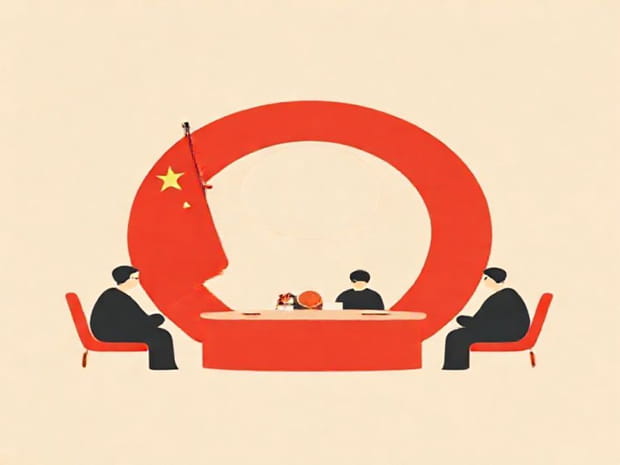
Chinese People’S Political Consultative Conference
The Chinese People’s Political Consultative Conference (CPPCC) is a key political advisory body in China that plays a significant role in the nation’s governance system. While it does not have legislative power like the National People’s Congress, the CPPCC serves as a platform for multi-party cooperation and political consultation under the leadership of the Chinese Communist Party (CCP). The institution brings together representatives from various political parties, organizations, and social groups to discuss national policies, social issues, and economic development, ensuring that diverse perspectives are included in the policymaking process. Understanding the structure, function, and influence of the CPPCC is essential to grasping how political consultation operates in China.
History and Background
The Chinese People’s Political Consultative Conference was established in 1949, shortly before the founding of the People’s Republic of China. Its creation was part of the CCP’s effort to establish a system of united front, which aimed to include representatives of different political parties, non-party members, ethnic minorities, and social organizations in national governance. Over the decades, the CPPCC has evolved to accommodate the changing political, social, and economic needs of the country, serving as a bridge between the Communist Party and the broader society.
Formation and Early Years
- The CPPCC was first convened in September 1949 in Beijing, marking a historic step in the establishment of the People’s Republic of China.
- It originally functioned as a preparatory body for the first National People’s Congress, contributing to the drafting of the common program that outlined the political framework of the new government.
- From its inception, the CPPCC was designed to represent multiple sectors of society, including various political parties, mass organizations, and minority groups.
Structure and Composition
The CPPCC is composed of delegates from the Chinese Communist Party, other recognized political parties, ethnic minorities, social organizations, and notable individuals from various sectors of society. The number of delegates can vary, but it typically includes over 2,000 members who participate in national and regional conferences. The CPPCC operates at multiple levels, including national, provincial, municipal, and county levels, allowing for extensive representation of local interests and issues.
National Committee
The National Committee of the CPPCC is the highest body within the conference and convenes once a year, usually in March, in conjunction with the National People’s Congress. It is responsible for discussing major national policies, economic plans, and social issues. The committee elects a chairman and vice-chairmen who oversee the work of the CPPCC, coordinating consultation activities and reporting outcomes to the central government.
Specialized Committees
Within the CPPCC, there are several specialized committees focused on specific areas such as economics, education, culture, health, and foreign affairs. These committees conduct research, draft proposals, and provide recommendations to the central government. Their work ensures that technical expertise and professional knowledge contribute to the consultation process, enhancing the quality of policy recommendations.
Functions and Roles
The primary function of the CPPCC is political consultation. It provides a platform for discussion, debate, and feedback on policies proposed by the Chinese Communist Party and the government. Although the CPPCC does not have the authority to pass laws, its recommendations are taken seriously in policy formulation and social governance. By engaging a wide range of stakeholders, the CPPCC aims to ensure that government decisions reflect broader societal interests.
Political Consultation
- Deliberates on major national policies and legislative drafts before submission to the National People’s Congress.
- Facilitates dialogue between the Communist Party and non-party members, minority groups, and social organizations.
- Promotes unity and consensus on key political, social, and economic issues.
Democratic Supervision
The CPPCC also performs democratic supervision, monitoring the implementation of policies and raising concerns about social and economic issues. Members can submit proposals, critiques, and suggestions to government authorities, helping to identify problems and improve administrative efficiency. This function contributes to greater accountability and transparency in governance, even within a one-party dominant system.
Participation in Socioeconomic Development
Another important role of the CPPCC is to support national development strategies. Delegates contribute expertise on topics such as economic reform, environmental protection, education, and healthcare. By providing informed recommendations, the CPPCC helps the government design policies that align with long-term development goals and the needs of diverse population groups.
Significance in Chinese Governance
The CPPCC holds symbolic and practical significance in China’s political system. Symbolically, it represents the principle of united front and the inclusion of diverse voices in governance. Practically, it serves as a channel for gathering input from a wide array of social sectors, contributing to informed decision-making. The institution demonstrates how political consultation functions within the framework of the Chinese Communist Party’s leadership, ensuring that policies are not only top-down but also responsive to societal concerns.
Influence on Policy
- Provides policy recommendations that inform government decision-making.
- Facilitates discussions that improve the quality and acceptability of legislation.
- Encourages public participation through indirect representation, enhancing social stability.
Challenges and Criticisms
Despite its importance, the CPPCC faces certain challenges and criticisms. Some observers argue that the consultative nature of the conference limits its influence, as the Communist Party maintains ultimate decision-making authority. Others note that the inclusion of non-party members may not always result in independent criticism due to political sensitivities. Nevertheless, the CPPCC continues to evolve, finding ways to contribute constructively to governance while balancing political and societal expectations.
Ongoing Reforms
The Chinese government has undertaken measures to enhance the effectiveness of the CPPCC. These include increasing professional expertise among delegates, improving the research and proposal process, and promoting transparency in consultations. By refining its operations, the CPPCC aims to maintain relevance in the changing political and socioeconomic landscape of China.
The Chinese People’s Political Consultative Conference plays a unique and critical role in China’s political system. Through its functions of political consultation, democratic supervision, and participation in socioeconomic development, the CPPCC contributes to more inclusive and informed governance. While it operates under the leadership of the Chinese Communist Party, the institution provides a structured platform for diverse voices, ensuring that a broad spectrum of societal interests is considered in policy-making. Understanding the CPPCC helps to appreciate how China balances centralized authority with consultative mechanisms, ultimately supporting national stability, development, and social cohesion.