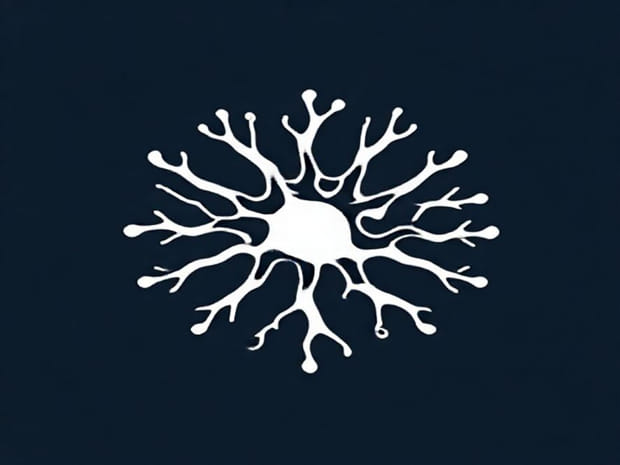
Cell Body Of Neuron
The cell body of a neuron, also known as the soma, is a fundamental component of the nervous system that plays a critical role in maintaining the health and functionality of neurons. This central part of a neuron houses the nucleus and other essential organelles, making it the metabolic and synthetic center of the cell. The soma is responsible for producing proteins and neurotransmitters necessary for neuronal communication, supporting the growth and repair of dendrites and axons, and integrating signals received from other neurons. Understanding the structure and function of the cell body provides valuable insights into how the nervous system processes information and responds to stimuli, making it a cornerstone concept in neuroscience studies.
Structure of the Cell Body
The cell body of a neuron is typically spherical or polygonal in shape, varying depending on the type of neuron and its location within the nervous system. At its core lies the nucleus, which contains the neuron’s genetic material and regulates gene expression essential for cellular function. Surrounding the nucleus are various organelles, including mitochondria, endoplasmic reticulum, Golgi apparatus, and lysosomes, each contributing to the neuron’s metabolic and synthetic activities. The cell body also contains cytoplasm that supports the distribution of nutrients and signaling molecules throughout the neuron. The outer membrane of the soma, or plasma membrane, maintains the cell’s integrity and facilitates communication with the extracellular environment.
Nucleus and Genetic Function
The nucleus within the cell body serves as the command center, directing protein synthesis and controlling cellular activities. It contains the neuron’s DNA, which encodes the instructions for creating enzymes, structural proteins, and neurotransmitters. These molecules are critical for neuron survival, synaptic function, and the transmission of electrical signals. The nucleus also participates in the repair of cellular components and the regulation of cell growth. A properly functioning nucleus ensures that the neuron can maintain homeostasis, respond to environmental changes, and sustain long-term signaling capabilities.
Organelles and Cellular Activities
The cell body houses organelles that perform essential roles in energy production, protein synthesis, and waste management. Mitochondria generate ATP, providing the energy required for active transport, signal transmission, and other metabolic processes. The rough endoplasmic reticulum is involved in the production of proteins, particularly those destined for the cell membrane or secretion as neurotransmitters. The Golgi apparatus modifies, packages, and transports these proteins to their appropriate destinations, ensuring proper neuronal function. Lysosomes and other vesicular structures help in degrading damaged proteins and recycling cellular components, maintaining the overall health of the neuron.
Dendritic Connections
The cell body serves as the primary site for receiving inputs from other neurons. Dendrites, which extend from the soma, contain receptors that detect chemical and electrical signals from neighboring cells. These signals are integrated in the soma, where they are processed and, if a threshold is reached, transmitted down the axon to communicate with other neurons or target tissues. The cell body’s ability to effectively integrate and respond to incoming signals is crucial for neural network function and information processing throughout the nervous system.
Functional Importance of the Cell Body
The soma is not only a structural hub but also a functional powerhouse of the neuron. It synthesizes neurotransmitters, essential for communication between neurons, and provides the metabolic support required for maintaining axons and dendrites. Additionally, the cell body plays a role in signal integration, determining whether incoming signals are strong enough to generate an action potential. This decision-making capability is fundamental for controlling neural circuits and coordinating responses in both the central and peripheral nervous systems. The soma also contributes to neuronal plasticity, allowing the nervous system to adapt to new experiences, learn, and store memories.
Cell Body in Neural Diseases
Damage or dysfunction of the cell body can lead to severe neurological consequences. Neurodegenerative diseases such as Alzheimer’s, Parkinson’s, and amyotrophic lateral sclerosis (ALS) often involve disruptions in cell body function, including impaired protein synthesis, mitochondrial dysfunction, and abnormal accumulation of waste products. These issues compromise the health of the entire neuron, affecting signal transmission and ultimately leading to cell death. Understanding the role of the soma in these diseases is critical for developing therapeutic strategies aimed at preserving neuronal function and preventing neurodegeneration.
Interaction with Axon and Synapse
The cell body supports the axon, which carries electrical impulses away from the soma toward other neurons or target cells. The soma supplies the axon with necessary proteins, lipids, and energy to maintain its function over long distances. At the synapse, the neuron communicates with another cell through neurotransmitter release, a process indirectly dependent on the health and metabolic activity of the soma. Any disruption in the soma’s function can impair synaptic transmission, highlighting its central role in effective neuronal communication.
Research and Scientific Relevance
Studying the cell body of neurons is crucial in neuroscience research, as it provides insights into basic cellular mechanisms, neuronal health, and the basis of neurological disorders. Experimental studies often focus on the soma to understand protein trafficking, intracellular signaling, and the effects of various toxins or drugs on neuronal function. Additionally, advanced imaging techniques allow scientists to visualize the soma and monitor its dynamics, enhancing our understanding of how neurons adapt, repair, and communicate within complex networks.
The cell body of a neuron is a vital structure that integrates multiple functions necessary for the survival and operation of the nervous system. By housing the nucleus, organelles, and cytoplasm, the soma ensures protein synthesis, energy production, waste management, and signal integration. Its health directly influences the functionality of dendrites, axons, and synapses, underscoring its central role in neuronal communication. From maintaining cellular homeostasis to supporting complex behaviors and cognitive processes, the cell body is indispensable for both individual neuron performance and the overall efficiency of neural networks. Continued research on the soma not only deepens our understanding of fundamental neuroscience but also opens avenues for therapeutic interventions targeting neurological diseases.