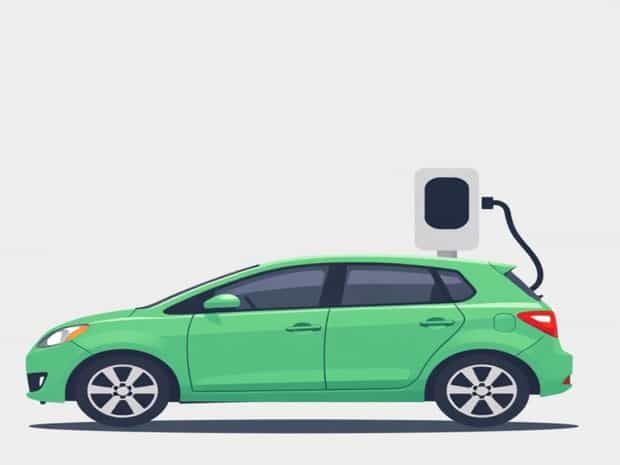
Cars That Are Chargeable
In recent years, the automotive industry has witnessed a significant shift toward electric mobility, and cars that are chargeable, commonly known as electric vehicles (EVs), are becoming increasingly popular. These vehicles operate on rechargeable batteries rather than traditional gasoline or diesel engines, offering a cleaner, more sustainable mode of transportation. As governments and consumers alike seek to reduce carbon emissions and dependence on fossil fuels, chargeable cars have emerged as a key solution, providing an efficient, eco-friendly alternative that continues to gain traction worldwide. Understanding the technology, benefits, and available options is crucial for anyone interested in making the switch to electric vehicles.
What Are Chargeable Cars?
Chargeable cars are vehicles powered primarily by electricity stored in onboard batteries. They are designed to be plugged into an electrical outlet or charging station to replenish their energy, unlike conventional cars that rely on liquid fuels. These vehicles come in various types, including fully electric vehicles (EVs) and plug-in hybrid electric vehicles (PHEVs), each offering distinct advantages and considerations.
Types of Chargeable Cars
- Battery Electric Vehicles (BEVs)Fully electric vehicles that run solely on electricity. Examples include Tesla Model 3, Nissan Leaf, and Chevrolet Bolt. BEVs produce zero tailpipe emissions and offer smooth, quiet driving experiences.
- Plug-in Hybrid Electric Vehicles (PHEVs)Vehicles that combine a traditional internal combustion engine with an electric motor and battery. They can run on electricity for shorter trips and switch to gasoline for longer distances. Examples include Toyota Prius Prime and Mitsubishi Outlander PHEV.
- Hybrid Electric Vehicles (HEVs)Although not directly chargeable from an external source, HEVs use regenerative braking to charge their batteries and optimize fuel efficiency. They are sometimes grouped under the broader category of chargeable vehicles for their partial reliance on electricity.
Benefits of Chargeable Cars
Chargeable cars provide several compelling advantages that make them increasingly attractive to consumers. These benefits range from environmental to financial, as well as offering unique technological features.
Environmental Impact
One of the most significant benefits of chargeable cars is their contribution to reducing greenhouse gas emissions. By running on electricity, these vehicles produce little to no tailpipe emissions, helping to improve air quality and combat climate change. Additionally, when paired with renewable energy sources like solar or wind power, chargeable cars can operate with virtually zero carbon footprint.
Cost Savings
While the initial purchase price of electric vehicles can be higher than that of conventional cars, the overall operating costs are often lower. Electricity is generally cheaper than gasoline, and EVs require less maintenance because they have fewer moving parts and no need for oil changes. Many governments also offer tax incentives, rebates, and grants to encourage the adoption of chargeable cars, further reducing the cost of ownership.
Performance and Convenience
Chargeable cars are known for their instant torque, which provides quick acceleration and smooth driving. The absence of a traditional engine means less noise and vibration, enhancing the overall driving experience. Additionally, many EVs come equipped with advanced technology such as regenerative braking, smart navigation, and over-the-air software updates, improving convenience and functionality for drivers.
Charging Infrastructure
A crucial aspect of owning a chargeable car is understanding the charging infrastructure. There are several types of charging options available, depending on convenience, speed, and power requirements.
Home Charging
Most EV owners charge their vehicles at home using standard electrical outlets or dedicated home charging stations. Home charging is convenient and cost-effective, allowing drivers to start each day with a fully charged battery. Dedicated chargers often offer faster charging times, ensuring maximum efficiency overnight.
Public Charging Stations
Public charging stations are becoming increasingly widespread, allowing EV owners to recharge their vehicles while away from home. These stations vary in power output, from slower Level 2 chargers to high-speed DC fast chargers that can restore a significant portion of the battery in under an hour. Apps and navigation systems can help locate nearby charging stations, making long trips more feasible.
Charging Considerations
When planning to adopt a chargeable car, it’s essential to consider factors such as battery capacity, range, and available charging options. Understanding how long it takes to recharge and where stations are located ensures a seamless and stress-free driving experience. Additionally, many EV owners explore renewable energy options at home to further reduce electricity costs and environmental impact.
Popular Chargeable Cars on the Market
The market for chargeable cars has expanded dramatically, offering options for every type of driver. Some popular models include
- Tesla Model 3Known for its impressive range, advanced autopilot features, and sleek design.
- Nissan LeafA widely accessible electric car with reliable performance and affordability.
- Chevrolet Bolt EVOffers a long electric range and compact design, suitable for urban driving.
- Toyota Prius PrimeA plug-in hybrid that balances electric driving with fuel backup for longer trips.
- Ford Mustang Mach-ECombines performance with EV technology, appealing to enthusiasts looking for an electric SUV.
Challenges and Considerations
Despite their advantages, chargeable cars present certain challenges that potential owners should be aware of. Range anxiety, or the fear of running out of battery power during a trip, is a common concern. Although battery technology has improved significantly, planning trips around charging infrastructure is often necessary. Additionally, the upfront cost of EVs can be a barrier, although incentives and long-term savings can offset this. Finally, battery degradation over time and potential replacement costs are considerations to factor into ownership decisions.
The Future of Chargeable Cars
The future of transportation is closely tied to the growth of chargeable cars. With continuous advancements in battery technology, charging infrastructure, and vehicle performance, EVs are set to become a dominant force in the automotive market. Governments worldwide are implementing stricter emissions regulations and promoting electric mobility, which will further drive adoption. As technology continues to evolve, drivers can expect faster charging times, longer ranges, and a wider variety of models tailored to different needs and budgets.
Emerging Technologies
- Solid-state batteries that offer higher energy density and faster charging.
- Wireless charging pads integrated into roads or parking spaces.
- Smart grid integration to optimize charging during off-peak hours and reduce strain on the power network.
Cars that are chargeable represent a transformative shift in the automotive industry, combining environmental responsibility with innovative technology. Whether through fully electric vehicles or plug-in hybrids, these cars offer cleaner, more efficient transportation solutions while providing unique performance advantages and cost savings. Understanding charging options, vehicle types, and market offerings is essential for anyone considering the switch to electric mobility. As infrastructure expands and battery technology improves, chargeable cars are poised to become a practical and attractive choice for a growing number of drivers, paving the way for a sustainable and exciting future in transportation.