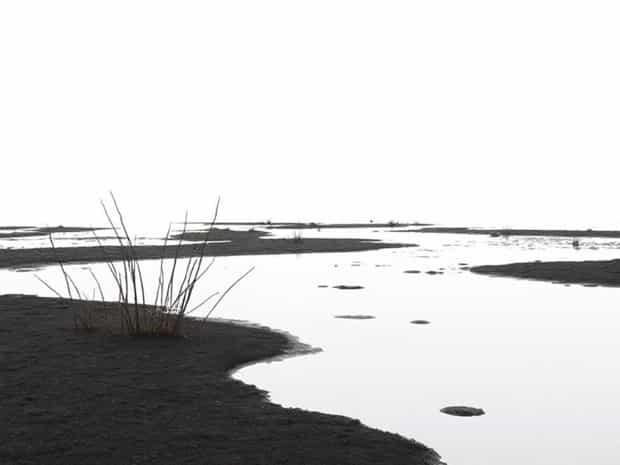
Low Wetland With Peaty Soil
Low wetlands with peaty soil are unique ecosystems that play a crucial role in maintaining environmental balance, supporting biodiversity, and regulating water cycles. These areas are characterized by waterlogged conditions and an accumulation of organic matter that forms peat over time. The combination of high moisture levels, low oxygen, and acidic conditions creates a distinct habitat for specialized plant and animal species. Understanding the characteristics, ecological importance, and management of low wetlands with peaty soil is essential for conservation and sustainable land use.
Characteristics of Low Wetlands with Peaty Soil
Low wetlands are typically flat or gently sloping areas where water tends to accumulate, leading to persistent saturation of the soil. Peaty soil develops in these conditions due to the slow decomposition of plant material in waterlogged and anaerobic environments. This type of soil is rich in organic matter, dark in color, and often spongy to the touch. The high water content and acidity make it challenging for many conventional crops to grow, but it provides a unique niche for wetland-adapted vegetation.
Formation of Peaty Soil
Peaty soil forms over centuries as plant material, such as mosses, reeds, and sedges, accumulates in waterlogged areas. Limited oxygen slows down microbial decomposition, resulting in the buildup of partially decayed organic matter. The thickness of the peat layer can vary from a few centimeters to several meters, depending on the age and hydrology of the wetland. Acidic conditions and nutrient scarcity further define the chemical properties of peaty soil, influencing the type of vegetation that can thrive.
Vegetation in Low Wetlands with Peaty Soil
The flora in low wetlands with peaty soil is highly specialized. Many plants have adapted to survive in waterlogged, acidic, and nutrient-poor conditions. Common species include sphagnum moss, sedges, rushes, and certain grasses. Some shrubs and trees, such as alder and willow, may grow in slightly drier areas at the margins of the wetland. The vegetation not only contributes to peat formation but also provides habitat and food for numerous wildlife species.
Adaptations of Wetland Plants
- Aerenchyma TissueMany wetland plants develop air-filled tissues that help transport oxygen from the leaves to the roots.
- Shallow Root SystemsTo cope with saturated soil, plants often grow shallow roots near the surface where oxygen is more available.
- Acid TolerancePlants in peaty soils can tolerate low pH levels that would inhibit growth in most other environments.
- Water StorageSome species store water in their leaves or stems to maintain hydration during dry periods.
Ecological Importance of Low Wetlands with Peaty Soil
Low wetlands with peaty soil serve several critical ecological functions. They act as natural water regulators, absorbing excess rainfall and reducing the risk of flooding downstream. Peat soils store large amounts of carbon, making them vital in mitigating climate change by sequestering greenhouse gases. Additionally, these wetlands provide habitats for a diverse range of wildlife, including birds, amphibians, insects, and mammals. The complex food webs supported by wetland vegetation contribute to overall biodiversity.
Role in Carbon Sequestration
Peaty soils are significant carbon sinks because the accumulation of organic matter prevents the release of carbon dioxide. Maintaining the waterlogged conditions is essential to preserve this carbon storage function. Disturbance or drainage of peatlands can lead to rapid decomposition of organic material, releasing carbon into the atmosphere and contributing to global warming. Conservation of low wetlands with peaty soil is therefore a key strategy in climate change mitigation.
Hydrology and Soil Properties
The hydrology of low wetlands with peaty soil is influenced by rainfall, groundwater, and surface water inputs. These wetlands often have poor drainage, which helps maintain saturated conditions essential for peat formation. Peaty soils have a high water-holding capacity but low nutrient availability due to the acidic environment. The chemical properties, including low pH and high organic content, affect plant growth and microbial activity.
Water Management in Peaty Wetlands
- Preserve natural water levels to maintain the wetland ecosystem and prevent peat degradation.
- Avoid excessive drainage, which can lead to soil subsidence and loss of wetland functions.
- Implement buffer zones around wetlands to reduce nutrient runoff from surrounding land.
- Monitor water quality to prevent pollution from agricultural or industrial activities.
Challenges in Low Wetlands with Peaty Soil
Despite their ecological value, low wetlands with peaty soil face several challenges. Drainage for agriculture or urban development can lead to habitat loss, soil subsidence, and carbon release. Invasive species may outcompete native wetland plants, reducing biodiversity. Climate change, including altered rainfall patterns and rising temperatures, threatens the delicate balance of wetland hydrology. Proper management and conservation strategies are necessary to address these challenges and maintain wetland functions.
Conservation and Restoration Strategies
Protecting low wetlands with peaty soil requires a combination of policy, community engagement, and ecological restoration. Strategies include
- Establishing protected areas to conserve critical wetland habitats.
- Restoring drained or degraded wetlands through re-wetting and re-vegetation.
- Monitoring biodiversity to track the health of wetland ecosystems.
- Educating local communities about the ecological and economic value of wetlands.
- Implementing sustainable land-use practices in surrounding areas to prevent nutrient pollution and erosion.
Uses and Benefits for Humans
Low wetlands with peaty soil offer numerous benefits for humans beyond ecological functions. Peat can be harvested sustainably for horticultural use, providing a soil amendment that retains moisture and nutrients. Wetlands also offer recreational opportunities, such as birdwatching, fishing, and ecotourism. Furthermore, these areas contribute to water purification and flood control, protecting human settlements and agricultural lands. Recognizing these benefits reinforces the importance of preserving and managing peaty wetlands responsibly.
Low wetlands with peaty soil are invaluable ecosystems that provide critical environmental, ecological, and economic benefits. Their unique soil properties, specialized vegetation, and water-regulating functions make them essential for biodiversity and climate mitigation. Understanding the formation, hydrology, and ecological role of these wetlands highlights the need for careful management and conservation. Protecting low wetlands with peaty soil ensures the continued provision of ecosystem services, preserves biodiversity, and supports sustainable land use, contributing to a healthier planet for future generations.