Knocking On The Wood Superstitious Belief
The phrase knocking on wood is one of the most enduring superstitious beliefs around the world, often practiced instinctively by people hoping to prevent bad luck or misfortune. Many individuals tap on wooden surfaces after making a positive statement or expressing hope that something will go well. While it may seem like a simple gesture, the origins, cultural variations, and psychological aspects of this superstition reveal a deeper connection between human behavior, belief systems, and attempts to influence fate. Understanding why people knock on wood, the historical context of this practice, and its role in modern society offers insight into how superstitions continue to shape daily life, even in contemporary rational thinking.
The Origins of Knocking on Wood
The exact origin of knocking on wood is difficult to pinpoint, but historians and folklorists suggest that the practice may date back thousands of years. Many ancient cultures believed that spirits or deities resided in trees, particularly in oak trees, which were revered for their strength and longevity. By knocking on wood, individuals thought they could summon protective spirits or ward off evil forces, ensuring that good fortune would remain intact. This practice was especially common in European and Celtic traditions, where trees were central to both daily life and spiritual beliefs.
Religious and Cultural Influences
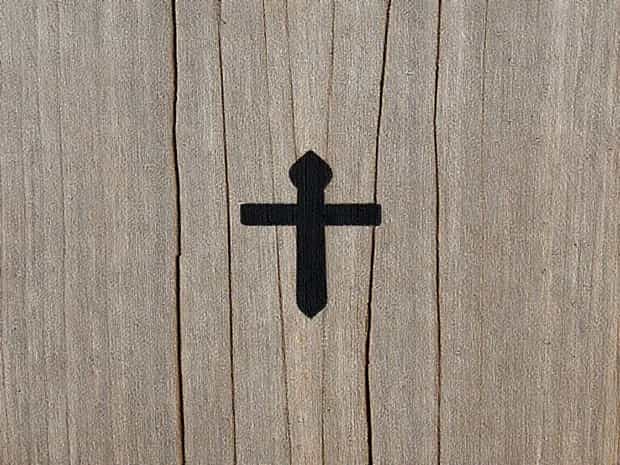
In addition to ancient pagan traditions, the superstition of knocking on wood has been influenced by religious beliefs. In Christian contexts, wood has symbolic significance, representing protection and salvation through the cross. This may have reinforced the idea that touching or tapping wood could invoke a safeguard against misfortune. In other cultures, similar gestures exist with slight variations, reflecting universal human concerns about controlling fate and avoiding bad outcomes. For example, in some parts of the Middle East and Asia, people may touch or knock on objects while uttering prayers or blessings, which serves a comparable protective function.
The Psychological Aspect of the Superstition
Knocking on wood is not just a cultural relic; it also has psychological benefits that contribute to its persistence. Many people perform this action instinctively to reduce anxiety or uncertainty about future events. The act of physically knocking or tapping can create a sense of control in situations where individuals feel vulnerable or powerless. Even though logically the gesture has no direct impact on external events, the psychological reassurance it provides is real and comforting.
Superstitions as Coping Mechanisms
Superstitions like knocking on wood function as coping mechanisms. Humans are wired to seek patterns and explanations for uncertain events, often turning to rituals and gestures that promise safety or luck. This behavior is particularly prevalent in situations where outcomes are unpredictable, such as exams, sports, or financial decisions. By knocking on wood, individuals feel that they have actively influenced their fate, even if the action is symbolic rather than causal.
Modern Variations and Practices
Today, knocking on wood is widely recognized in popular culture, appearing in everyday conversations, movies, and literature. While the practice has evolved, its core purpose remains the same to ward off bad luck after mentioning a hopeful or positive scenario. People often say phrases like I haven’t been sick all year, knock on wood while tapping a nearby wooden object. Interestingly, modern interpretations of the superstition sometimes allow non-wooden surfaces to serve the same symbolic function, reflecting a blend of traditional belief and contemporary convenience.
Variations Across Cultures
- In Turkey, people touch their ears instead of wood after expressing hope to prevent bad luck.
- In Italy, the phrase tocca ferro or touch iron is used as a protective gesture.
- In Russia, people spit over their left shoulder after mentioning good fortune to avoid tempting fate.
- In India, people may touch religious symbols or objects during similar expressions of hope.
The Role of Knocking on Wood in Social Contexts
Knocking on wood also serves as a social signal, demonstrating awareness of shared beliefs and participation in cultural norms. In social gatherings, individuals who perform the gesture show sensitivity to communal superstitions, often eliciting smiles, nods, or mutual acknowledgment from others. This reinforces social bonds and cultural identity, highlighting how superstitions are not only individual coping mechanisms but also instruments of social cohesion.
Media and Popular Culture Influence
The perpetuation of knocking on wood is also fueled by media and entertainment. Television shows, movies, and online platforms often depict characters tapping on wood in humorous or dramatic contexts, normalizing the behavior and introducing it to new generations. As a result, even people who do not actively believe in the superstition may adopt it casually as a cultural habit or a way to avoid awkward social interactions.
Scientific Perspectives on the Superstition
While there is no scientific evidence that knocking on wood directly influences luck or future events, psychological research supports the notion that rituals like these reduce stress and provide a sense of control. Behavioral scientists suggest that performing small, repetitive actions in uncertain situations can decrease anxiety and improve subjective well-being. In this way, the superstition serves a measurable mental health function, even if it does not affect external outcomes.
Confirmation Bias and Superstitions
Confirmation bias also plays a role in sustaining the belief. People are more likely to remember instances where knocking on wood coincided with a positive outcome and forget cases where it did not. This selective recall reinforces the perceived effectiveness of the gesture, making the superstition self-reinforcing over time.
Knocking on wood is a fascinating example of how ancient beliefs and human psychology intersect to create enduring cultural practices. Its origins in pagan rituals, religious symbolism, and universal desire to control fate have combined to produce a superstition that persists in modern society. While it may not influence luck in a literal sense, the gesture provides psychological comfort, reduces anxiety, and strengthens social connections. Understanding the history, cultural variations, and psychological mechanisms behind knocking on wood highlights the broader significance of superstitions in human life, demonstrating how simple actions can carry profound meaning across generations.