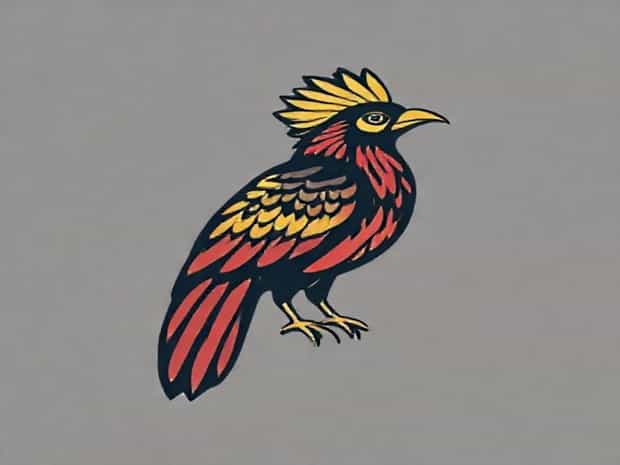
Kingdom Of Resplendent Quetzal
The kingdom of the resplendent quetzal is a realm of vibrant color, misty cloud forests, and rich biodiversity. Found primarily in Central America, this majestic bird captivates the hearts of birdwatchers, researchers, and nature enthusiasts with its iridescent green feathers, striking red breast, and long tail plumes. More than just a symbol of beauty, the resplendent quetzal plays a vital ecological role, acting as both a seed disperser and an indicator of forest health. Exploring the habitat, behavior, and cultural significance of the resplendent quetzal reveals why its kingdom is treasured and why conservation efforts are critical to its survival. From high-altitude forests to protected reserves, this avian marvel inhabits regions where cloud cover, lush vegetation, and ecological balance create the perfect sanctuary for life to thrive.
Habitat and Distribution
Resplendent quetzals are primarily found in the cloud forests of Central America, including countries such as Guatemala, Costa Rica, Honduras, and Panama. These forests provide dense canopy cover, abundant fruiting trees, and high humidity, all of which are essential for the bird’s survival. The quetzal favors elevations between 1,000 and 3,000 meters, where the climate is cooler and the forests are less disturbed by human activity. These habitats are characterized by epiphytes, moss-covered trees, and diverse plant species that support a wide array of insects and fruits. Preserving these cloud forests is crucial for maintaining the delicate balance of the quetzal’s kingdom.
Physical Characteristics
The resplendent quetzal is renowned for its striking appearance. Adult males exhibit iridescent green and gold plumage that shimmers in sunlight, a vivid red breast, and a long, flowing tail that can exceed a meter in length. Females are slightly less colorful but share the green and red hues that provide camouflage among the forest foliage. Their hooked beaks and strong claws allow them to perch on branches and forage for fruits with precision. These physical traits are not just for beauty; they are adaptations that aid in survival, mating displays, and navigation through the dense forest canopy.
Diet and Feeding Behavior
Resplendent quetzals are primarily frugivorous, meaning they feed mainly on fruits, particularly wild avocados and other small forest fruits. They play a crucial ecological role by dispersing seeds throughout the forest, contributing to plant regeneration and biodiversity. In addition to fruits, quetzals occasionally consume insects, small lizards, and frogs, providing them with protein and nutrients essential for survival. Their feeding behavior is specialized, often involving perching quietly in the canopy to spot ripened fruits before making short flights to pluck them. This methodical approach ensures minimal energy expenditure while maximizing food intake.
Reproduction and Nesting
Quetzals have a unique breeding system closely tied to their forest habitat. They typically nest in tree cavities, often using abandoned woodpecker holes or natural hollows. Both males and females participate in incubating eggs and feeding the chicks, demonstrating cooperative parenting. The young quetzals remain in the nest for several weeks, during which they grow rapidly and develop the striking plumage characteristic of adults. The breeding season is often synchronized with the peak availability of fruit, ensuring that food resources are sufficient for raising healthy chicks. This reproductive strategy highlights the interdependence between the resplendent quetzal and its habitat.
Cultural Significance
The resplendent quetzal holds profound cultural importance in the regions it inhabits. In Guatemala, the bird is a national symbol, appearing on the flag and currency. Historically, the quetzal was revered by Mesoamerican civilizations, such as the Maya and the Aztec, who associated it with freedom, wealth, and divinity. Its feathers were used in ceremonial headdresses and religious artifacts, reflecting the bird’s esteemed status. Today, the quetzal continues to inspire art, folklore, and eco-tourism, drawing attention to the preservation of cloud forests and the protection of endangered species.
- Resplendent quetzals inhabit cloud forests in Central America, favoring high elevations with dense canopy cover.
- Adult males display iridescent green plumage, red breasts, and long tail feathers; females are less vibrant but similarly colored.
- They are primarily frugivorous, consuming fruits and occasionally insects or small vertebrates.
- Seed dispersal by quetzals contributes to forest regeneration and biodiversity maintenance.
- Nesting occurs in tree cavities, with both parents participating in raising chicks.
- Breeding is synchronized with fruit availability to ensure food for developing young.
- The bird has deep cultural significance in Central America, symbolizing freedom and prosperity.
- Quetzals are indicators of healthy forest ecosystems, making their conservation critical for biodiversity.
Conservation Status
The resplendent quetzal is classified as near-threatened due to habitat loss, fragmentation, and deforestation. Cloud forests are highly sensitive ecosystems, and logging, agriculture, and urban expansion reduce available habitat for the birds. Conservation efforts focus on protecting forest reserves, restoring degraded habitats, and promoting eco-tourism as a sustainable alternative to destructive land use. Organizations and local communities collaborate to monitor quetzal populations, protect nesting sites, and educate the public about the importance of preserving this iconic species. Protecting the resplendent quetzal ensures the survival of its intricate kingdom and the ecological services it provides.
Ecotourism and Observation
Ecotourism plays a significant role in both the appreciation and conservation of the resplendent quetzal. Birdwatchers and nature enthusiasts visit cloud forests with the hope of observing these spectacular birds in their natural habitat. Well-managed trails and guided tours minimize disturbance while providing educational experiences about quetzal behavior, forest ecology, and conservation challenges. Responsible ecotourism generates funding for habitat protection and fosters a sense of stewardship among visitors, highlighting the connection between human activity and wildlife preservation.
Importance in the Ecosystem
Beyond its cultural and aesthetic value, the resplendent quetzal is vital to the ecosystem. By dispersing seeds, it supports forest regeneration and maintains plant diversity. Its presence also indicates a healthy environment, as quetzals require large, undisturbed forest areas to thrive. Studying their population trends provides valuable insights into the broader health of cloud forests and the impact of human activities. Protecting quetzals, therefore, contributes to the preservation of entire ecosystems and the countless species that depend on them.
The kingdom of the resplendent quetzal is a vivid illustration of nature’s beauty, complexity, and interdependence. These birds not only captivate with their striking plumage and graceful behavior but also play essential roles in their cloud forest habitats. From seed dispersal and ecological balance to cultural symbolism and eco-tourism, the resplendent quetzal exemplifies the multifaceted importance of preserving wildlife and natural ecosystems. Conservation efforts are vital to maintaining this avian kingdom, ensuring that future generations can experience the majesty of the resplendent quetzal while benefiting from the ecological services and cultural richness that these birds represent.