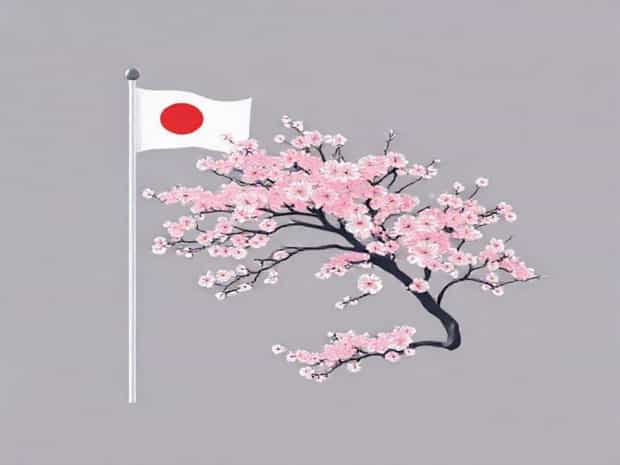
Japanese Flagpole Flowering Cherry Tree
The Japanese Flagpole Flowering Cherry Tree, often admired for its delicate pink blossoms and elegant growth habit, is a popular ornamental tree in gardens, parks, and urban landscapes. Known for its striking springtime display, this cherry tree adds both aesthetic beauty and cultural significance to any setting. Its narrow, upright growth habit makes it ideal for limited spaces, while the profusion of flowers creates a dramatic and memorable appearance during the blooming season. Understanding the characteristics, planting requirements, and care of this tree can help gardeners and landscape enthusiasts maximize its potential.
Characteristics of the Japanese Flagpole Flowering Cherry Tree
The Japanese Flagpole Flowering Cherry Tree, scientifically known asPrunus serrulataor similar cultivars, is notable for its columnar growth form. Unlike traditional flowering cherry trees that spread wide, this variety grows tall and narrow, resembling a flagpole in shape. This unique structure allows it to be planted in areas where space is limited, such as along walkways, driveways, or small gardens, without overwhelming the surroundings.
Flowers and Seasonal Appeal
The tree is celebrated for its springtime blooms, which typically appear in shades of pink, from pale pastel to vibrant rose. The flowers emerge before the leaves fully develop, creating a striking contrast and drawing attention from across gardens or streets. These blooms not only enhance the visual appeal but also attract pollinators such as bees and butterflies, supporting local ecosystems and biodiversity. The short-lived yet spectacular flowering season makes the Japanese Flagpole Cherry a centerpiece of spring celebrations in many regions.
Foliage and Fall Interest
After the flowering season, the tree produces green foliage that gradually turns shades of yellow, orange, or red in autumn, providing seasonal interest beyond the spring blossoms. The slender, upright branches add architectural appeal to the landscape, while the moderate height, typically ranging from 15 to 25 feet, ensures that the tree remains manageable in urban or residential settings. Its foliage also provides a backdrop for spring flowers, enhancing the overall garden composition.
Planting Requirements
Successful growth of the Japanese Flagpole Flowering Cherry Tree depends on proper site selection, soil preparation, and planting techniques. Choosing a location with adequate sunlight, good drainage, and enough space for root expansion is crucial for long-term health and performance.
Sunlight and Exposure
This cherry tree thrives in full sun, requiring at least six hours of direct sunlight daily to produce abundant blooms and maintain vibrant foliage. Planting in a shaded area may result in reduced flowering, weaker growth, and increased susceptibility to disease. Adequate air circulation around the tree helps prevent fungal problems, especially in humid climates.
Soil and Drainage
The Japanese Flagpole Cherry Tree prefers well-draining soil enriched with organic matter. Soil that retains too much moisture can lead to root rot or other fungal diseases, while sandy or nutrient-poor soils may require amendment with compost or slow-release fertilizers. A slightly acidic to neutral pH is ideal for optimal growth and flowering performance.
Planting Techniques
When planting a Japanese Flagpole Flowering Cherry Tree, dig a hole twice as wide as the root ball and just as deep. Place the tree in the center, ensuring that the top of the root ball is level with the surrounding soil. Backfill with a mixture of native soil and organic compost, and water thoroughly to settle the soil. Mulching around the base helps retain moisture, regulate soil temperature, and suppress weeds, promoting healthy root development.
Care and Maintenance
Maintaining the health and beauty of the Japanese Flagpole Cherry Tree involves regular watering, pruning, fertilization, and monitoring for pests or diseases. Consistent care ensures that the tree continues to produce spectacular blooms year after year.
Watering Requirements
Young trees need consistent watering during the first few years to establish a strong root system. Deep watering once or twice a week is preferable to frequent shallow watering, as it encourages roots to grow deeper and enhances drought resistance. Mature trees are more resilient but may still require supplemental watering during prolonged dry periods.
Pruning and Shaping
Pruning helps maintain the tree’s upright, flagpole shape and removes any dead, damaged, or crossing branches. The best time to prune is after the flowering season, allowing the tree to recover and develop new growth for the next year. Proper pruning also improves air circulation, reducing the risk of fungal diseases and promoting overall tree health.
Fertilization
Applying a balanced fertilizer in early spring supports vigorous growth and abundant flowering. Organic options, such as composted manure or slow-release fertilizers, are ideal for maintaining soil fertility without overwhelming the tree. Fertilization should be tailored to the soil type and existing nutrient levels, avoiding excessive nitrogen that can encourage leaf growth at the expense of flowers.
Pests and Diseases
Like all flowering cherries, the Japanese Flagpole variety can be affected by pests and diseases. Regular inspection and prompt intervention help prevent serious damage and ensure long-lasting beauty.
Common Pests
- Aphids – Small insects that feed on sap, causing leaf curling and sticky residue.
- Scale Insects – Attach to branches and leaves, weakening the tree over time.
- Caterpillars – Can defoliate the tree if infestations are severe.
- Japanese Beetles – Feed on leaves and flowers, reducing aesthetic appeal.
Common Diseases
- Cherry Leaf Spot – Fungal infection causing purple spots on leaves and early leaf drop.
- Powdery Mildew – White, powdery growth on leaves and buds that can stunt growth.
- Root Rot – Caused by waterlogged soil, leading to decline and potential tree death.
Landscaping Uses
The Japanese Flagpole Flowering Cherry Tree is highly versatile in landscape design. Its upright growth habit makes it suitable for narrow spaces, such as between buildings, along streets, or as a vertical accent in a garden. The striking pink blossoms provide a focal point during spring, while the tree’s slender form adds structure and height without overwhelming other plantings. It can also be planted in small urban gardens, parks, or commercial landscapes where space is limited but visual impact is desired.
Companion Plantings
Companion plantings with ground covers, shrubs, or perennials can enhance the overall aesthetic of the Japanese Flagpole Cherry. Plants with contrasting foliage colors or textures, such as ornamental grasses or evergreens, create a dynamic visual display. Seasonal flowers planted at the base can extend the color palette and complement the tree’s spring blossoms.
The Japanese Flagpole Flowering Cherry Tree is a remarkable ornamental tree that combines vertical elegance with spectacular springtime blooms. Its narrow growth habit, vibrant flowers, and manageable size make it ideal for small gardens, urban landscapes, and areas requiring vertical accents. Proper site selection, planting, and ongoing care ensure that the tree thrives, producing stunning displays year after year. With attention to watering, pruning, fertilization, and pest management, this cherry tree provides both beauty and cultural significance, making it a valuable addition to any landscape.