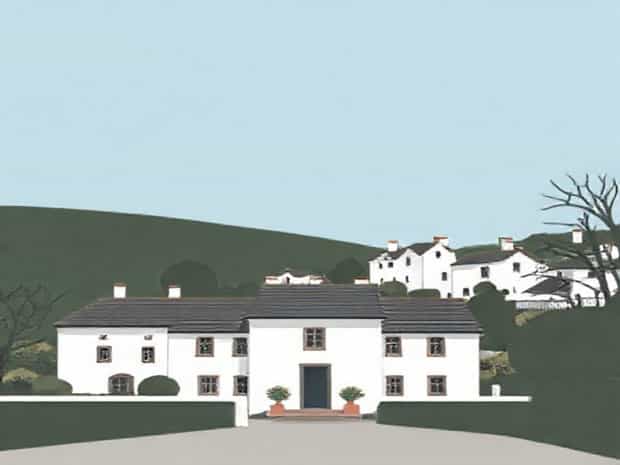
Italianate Village Of Portmeirion
Nestled along the rugged coastline of North Wales, the Italianate village of Portmeirion stands as a striking and whimsical destination that captivates visitors with its vibrant colors, architectural charm, and lush gardens. Designed to resemble a picturesque Italian village, Portmeirion is not just a place to admire from afar; it is a living, breathing environment where art, architecture, and nature seamlessly intertwine. The village attracts tourists, photographers, filmmakers, and architecture enthusiasts from all over the world, offering a unique glimpse into a vision that blends fantasy and practicality while celebrating the Mediterranean aesthetic in a British setting.
History and Inspiration
Portmeirion was conceived and brought to life by Sir Clough Williams-Ellis, a visionary architect who began the project in 1925. Williams-Ellis was inspired by the architecture of the Italian Riviera, particularly the colorful villages perched along the cliffs and coastlines of Italy. He envisioned creating a space that was both aesthetically pleasing and functionally viable, preserving the natural beauty of the surrounding landscape while adding his imaginative structures. Over several decades, he constructed buildings, gardens, and pathways that emulate the charm of Italy while incorporating his distinctive touches, resulting in a village that is both authentic and fantastical.
Architectural Style
The Italianate style of Portmeirion is characterized by vibrant pastel colors, terracotta rooftops, and ornate detailing. The buildings display a harmonious mixture of architectural elements such as arches, colonnades, balconies, and decorative tiles, which contribute to the village’s Mediterranean feel. Walking through Portmeirion is akin to stepping into a dream, with its narrow winding streets, quaint courtyards, and carefully placed fountains. Each building tells a story, reflecting Williams-Ellis’ dedication to preserving historical architecture while introducing imaginative elements that enhance the overall charm.
Gardens and Natural Beauty
One of the defining features of Portmeirion is its lush and meticulously maintained gardens. The village is surrounded by woodlands and river estuaries, which provide a stunning backdrop for the colorful buildings. Exotic plants and trees have been incorporated into the landscape, offering a unique botanical experience that complements the architectural design. Visitors can explore winding paths lined with flowering plants, serene ponds, and hidden seating areas, making the village a haven for nature lovers and photographers alike.
Notable Gardens
- The Loggia Gardens Featuring terraces, arches, and seating areas, these gardens provide panoramic views of the surrounding landscape.
- Italian Terrace Gardens Adorned with Mediterranean plants and flowering shrubs, this area enhances the authentic Italianate ambiance.
- Woodland Gardens Offering shaded paths and tranquil spots, these gardens connect the village to its natural surroundings.
Cultural Significance
Beyond its visual appeal, Portmeirion holds cultural and historical significance. The village has been a source of inspiration for artists, writers, and filmmakers, contributing to its international reputation. It gained global recognition in the 1960s as the filming location for the cult television series The Prisoner, which highlighted the village’s surreal and distinctive atmosphere. The blend of artistic vision, historical preservation, and imaginative architecture makes Portmeirion a cultural landmark that continues to attract visitors seeking unique experiences.
Art and Exhibitions
Portmeirion hosts various art exhibitions, craft workshops, and cultural events that showcase local and international talent. The village is home to a collection of art galleries and studios, reflecting Williams-Ellis’ commitment to promoting creativity and artistic expression. Visitors can engage with the arts while exploring the village, making it an immersive cultural destination that goes beyond sightseeing.
Tourism and Visitor Experience
Portmeirion is designed to be explored on foot, allowing visitors to fully appreciate the intricate details of the architecture and the beauty of the gardens. The village offers accommodations, restaurants, cafes, and shops that enhance the visitor experience, providing opportunities to stay overnight and enjoy the atmosphere at leisure. Guided tours and informational displays help visitors understand the history, design philosophy, and ecological considerations behind the village, enriching their overall experience.
Activities and Attractions
- Guided architectural tours highlighting the history and design elements of Portmeirion.
- Photography opportunities across colorful buildings, scenic gardens, and coastal views.
- Local crafts and souvenirs available in boutique shops.
- Cultural events such as music performances, art workshops, and seasonal festivals.
- Dining at restaurants offering local and international cuisine with picturesque surroundings.
Preservation and Conservation
Maintaining Portmeirion’s charm and integrity requires careful preservation efforts. The village’s trustees and caretakers focus on conserving both the architectural heritage and the natural environment. Restoration projects are undertaken with attention to historical accuracy and aesthetic continuity, ensuring that new interventions blend seamlessly with the original design. Environmental stewardship is also a priority, with initiatives aimed at protecting the surrounding woodlands, river estuary, and native wildlife. Visitors are encouraged to respect the village’s unique setting to help sustain its beauty for future generations.
Environmental Considerations
- Careful landscaping to prevent soil erosion and maintain plant health.
- Wildlife-friendly initiatives supporting local bird and animal populations.
- Sustainable maintenance practices that reduce environmental impact.
- Promotion of eco-friendly tourism to balance visitor experience with conservation.
Impact and Legacy
The Italianate village of Portmeirion has left a lasting legacy in architecture, tourism, and cultural expression. Its influence extends beyond the immediate region, inspiring similar projects and serving as a model for integrating natural landscapes with architectural creativity. The village demonstrates how vision, dedication, and artistic sensibility can transform a location into a timeless destination that resonates with visitors from around the world. Williams-Ellis’ dream continues to thrive, offering a unique blend of fantasy, history, and beauty that remains unmatched in contemporary settings.
Global Recognition
- Featured in international films, television series, and photography publications.
- Recognized as a prime example of Italianate architectural influence outside Italy.
- Celebrated as a cultural and artistic landmark attracting global tourism.
- Serves as a case study for architectural students and professionals studying design integration with natural landscapes.
The Italianate village of Portmeirion represents a harmonious fusion of architecture, art, and nature, capturing the imagination of all who visit. Its history, designed by Sir Clough Williams-Ellis, reflects a deep appreciation for Italian style, cultural heritage, and environmental preservation. Walking through the vibrant streets, exploring the lush gardens, and engaging with the artistic offerings, visitors experience a place that transcends ordinary travel destinations. Portmeirion is not just a village; it is a celebration of vision, creativity, and the enduring allure of the Mediterranean aesthetic in a uniquely Welsh setting. For those seeking beauty, history, and inspiration, the village of Portmeirion remains an unforgettable destination, where every corner offers a story, every path reveals a view, and every visit leaves a lasting impression.