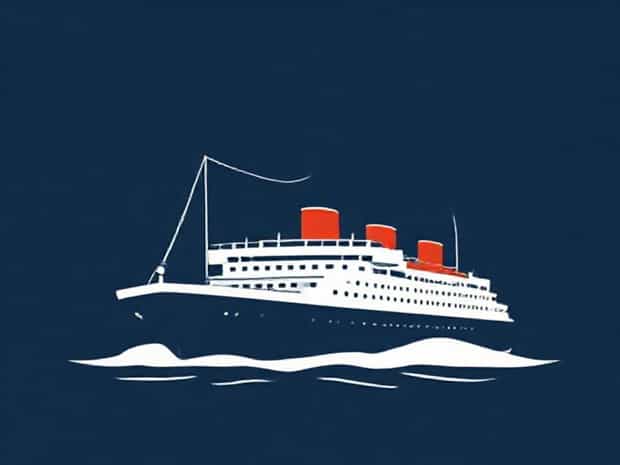
Is The Queen Mary Seaworthy?
The Queen Mary, an iconic ocean liner that sailed the Atlantic in the 20th century, has long captured the imagination of maritime enthusiasts and history lovers. Built in the 1930s, this majestic ship was renowned for its speed, luxury, and elegant design. Today, it rests permanently in Long Beach, California, serving as a hotel, museum, and tourist attraction. However, many people wonder about the ship’s seaworthiness and whether it could ever sail again. Understanding the current state of the Queen Mary requires examining its history, structural integrity, maintenance, and the challenges of operating such a historic vessel in modern times.
The History of the Queen Mary
The RMS Queen Mary was constructed by John Brown & Company in Clydebank, Scotland, and launched in 1934. She was designed to compete with other luxury liners of the era, offering a combination of speed and comfort for transatlantic voyages. During her early years, the Queen Mary set records for crossing the Atlantic and became a symbol of British engineering excellence. During World War II, she was converted into a troopship, transporting thousands of soldiers safely across the oceans. After the war, she returned to passenger service, continuing to provide luxurious travel until the late 1960s.
Design and Engineering
- Length 1,019 feet and beam of 118 feet, providing ample space for passengers
- Gross tonnage Approximately 81,000 tons
- Engines Steam turbines capable of speeds exceeding 28 knots
- Luxury amenities including ballrooms, swimming pools, and fine dining halls
- Hull constructed with high-quality steel and advanced shipbuilding techniques of the 1930s
Decommissioning and Current Status
The Queen Mary was retired from active service in 1967 due to the rise of air travel and the decreasing profitability of ocean liners. She was purchased by the city of Long Beach, California, and permanently moored as a tourist attraction. Today, the ship functions as a hotel, event space, and museum, providing visitors with a glimpse of maritime history. While the Queen Mary remains afloat, the question of her seaworthiness is more complex than simply floating on water.
Maintenance and Structural Integrity
- Regular maintenance is essential to prevent hull corrosion and structural weakening
- Over the years, parts of the ship have suffered from rust, water damage, and aging materials
- Ongoing preservation efforts focus on cosmetic restoration rather than full operational capability
- Re-certifying the ship for modern sea travel would require extensive retrofitting and compliance with current maritime safety standards
- Costs for full seaworthiness are estimated in the hundreds of millions of dollars
Challenges of Making the Queen Mary Seaworthy
Restoring the Queen Mary to seaworthy condition presents numerous challenges. First, her age and historical construction make modernization complicated. Updating her propulsion systems, navigation equipment, and safety features to meet today’s regulations would require extensive engineering work. Additionally, ensuring hull integrity and stability for ocean travel is a significant hurdle, as decades of stationary mooring may have compromised critical structures. The financial cost, combined with logistical complexities, makes a full restoration for sailing purposes highly impractical.
Regulatory and Safety Concerns
- Compliance with modern maritime safety standards, including SOLAS (Safety of Life at Sea) regulations
- Installation of modern lifeboats, fire suppression systems, and emergency protocols
- Assessment of hull integrity and structural resilience for open-ocean travel
- Upgrading propulsion systems to meet environmental and operational standards
- Addressing stability and weight distribution issues for modern passenger expectations
Historical Preservation vs. Operational Use
The primary focus of the Queen Mary today is historical preservation rather than operational use. Efforts to maintain her as a museum and hotel aim to showcase the ship’s legacy, allowing visitors to experience the grandeur of the ocean liner era. Operating the ship in the open sea could jeopardize its structural integrity and diminish its value as a preserved historical artifact. Preservationists argue that keeping the ship moored and maintaining its appearance is safer and more practical than attempting to restore full seaworthiness.
Tourist Experience
- Hotel accommodations in original staterooms and suites
- Guided tours highlighting the ship’s history and engineering marvels
- Events, exhibitions, and themed experiences related to maritime culture
- Ghost tours and historical storytelling enhancing visitor engagement
- Restaurants, bars, and lounges recreating the luxurious experience of ocean travel
Expert Opinions on Seaworthiness
Maritime experts generally agree that while the Queen Mary is technically afloat, she is not seaworthy in the modern sense. The ship would require a complete overhaul of structural, mechanical, and safety systems to meet contemporary standards for ocean-going vessels. Even with such an investment, the operational lifespan of the ship would likely be limited due to her age. Experts emphasize that her value lies in her historical significance and cultural importance rather than her ability to sail.
Factors Affecting Seaworthiness
- Age-related wear and corrosion on hull and metal structures
- Obsolete propulsion and steering systems
- Non-compliance with modern safety and environmental regulations
- Financial impracticality of restoring full operational capability
- Preservation priorities that favor static display over active sailing
The Future of the Queen Mary
The Queen Mary’s future is likely to remain as a stationary historical attraction. Plans for restoration and preservation focus on enhancing visitor experiences, improving structural maintenance, and safeguarding her legacy for future generations. While the idea of the Queen Mary sailing again captures the imagination, practical considerations make it unlikely. By maintaining her as a moored attraction, the city of Long Beach ensures that the ship continues to educate, entertain, and inspire visitors from around the world.
Preservation Initiatives
- Ongoing maintenance of hull and interior spaces
- Historical restoration projects to preserve original features
- Enhanced visitor experiences through interactive exhibits and guided tours
- Community engagement and educational programs highlighting maritime history
- Collaboration with preservation societies and historical organizations
the Queen Mary is not seaworthy in the sense required for modern ocean travel. While she remains afloat in Long Beach, decades of stationary mooring, age-related wear, and the absence of modern safety features make sailing impractical. Her true value lies in her historical and cultural significance, offering visitors a window into the grandeur of ocean liner travel during the 20th century. Preservation efforts ensure that the Queen Mary continues to be a remarkable destination, celebrating her legacy without the risks associated with returning her to active service. Those interested in maritime history, luxury travel, and engineering marvels will find the Queen Mary an enduring and captivating attraction, even as she remains permanently moored along the California coast.