Is Gladiolus Annual Or Perennial
Gladiolus is a popular flowering plant admired for its tall, striking spikes of colorful blooms that brighten gardens and floral arrangements. Gardeners often wonder whether gladiolus is an annual or perennial, as understanding this distinction is crucial for proper care and cultivation. The classification affects how gardeners plant, overwinter, and maintain the bulbs to ensure blooms year after year. Knowing whether gladiolus behaves as an annual or perennial also helps with planning seasonal displays and determining long-term garden strategies, particularly in different climate zones where the plant’s growth cycle can vary significantly.
Understanding Gladiolus
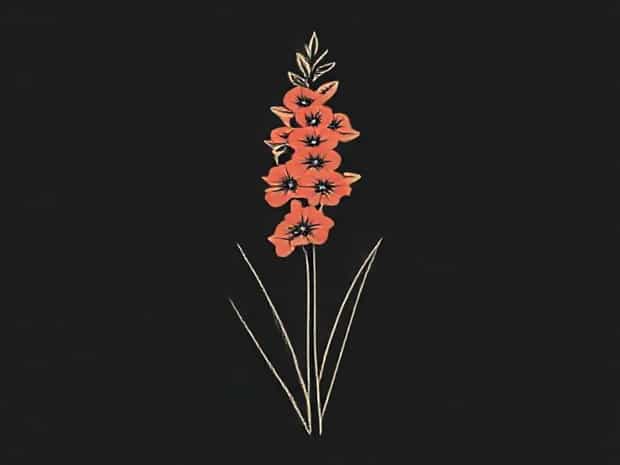
Gladiolus belongs to the Iris family (Iridaceae) and is native to South Africa, the Mediterranean, and parts of Asia. It is widely cultivated for its spectacular, sword-like leaves and colorful flowers that bloom in summer and fall. The plant grows from corms, which are underground storage organs similar to bulbs, allowing it to survive periods of dormancy. Gladiolus comes in a variety of colors, including red, pink, purple, white, and yellow, making it a versatile choice for garden designs and floral arrangements.
Characteristics of Gladiolus Growth
Gladiolus corms are planted in spring after the last frost, and the plants typically bloom 70 to 90 days later. Each corm produces one or more flower spikes, depending on the variety and growing conditions. After flowering, the leaves continue to photosynthesize, storing energy in the corm for the following season. However, the survivability of gladiolus corms depends heavily on the climate. In regions with mild winters, corms can remain in the ground and regrow the next season, exhibiting perennial behavior. In colder regions, corms may not survive freezing temperatures unless dug up and stored indoors, leading gardeners to treat them as annuals.
Annual vs. Perennial Gladiolus in Different Climates
The classification of gladiolus as annual or perennial largely depends on the local climate. In warm, frost-free regions, gladiolus can behave as a true perennial. Gardeners can leave the corms in the ground year-round, and the plant will regrow and bloom each season. In contrast, in colder climates with harsh winters, the corms are at risk of frost damage. In such cases, gardeners often treat gladiolus as an annual, planting new corms each spring to ensure vibrant summer blooms.
Gladiolus as a Perennial
In zones where winter temperatures do not drop below freezing, gladiolus corms can overwinter successfully in the ground. Perennial gladiolus will produce flowers each year without the need for replanting. Gardeners can improve perennial survival by mulching around the base of the plants to protect corms from temperature fluctuations and soil moisture extremes. Regular care, such as removing spent flower spikes and cutting back leaves after they yellow, helps maintain healthy corms for future seasons.
Gladiolus as an Annual
In areas prone to frost or snow, gladiolus corms are often treated as annuals because they cannot survive freezing temperatures outdoors. Gardeners plant corms in spring after the last frost and dig them up in fall before the first frost. The corms are then cleaned, dried, and stored in a cool, dry, and dark place until the next planting season. While this requires additional effort, it ensures that the plant will continue to bloom each year, even in colder climates.
Planting and Care Tips for Gladiolus
Whether grown as an annual or perennial, proper planting and care are essential for healthy gladiolus growth. Here are some key tips
- Soil PreparationPlant gladiolus in well-drained soil enriched with organic matter to promote healthy root development.
- Planting DepthCorms should be planted 4 to 6 inches deep, with spacing of 6 to 8 inches between each corm to allow for growth.
- SunlightGladiolus thrives in full sun, requiring at least 6 to 8 hours of direct sunlight daily.
- WateringRegular watering is essential, especially during dry spells, but avoid waterlogging, which can cause corm rot.
- FertilizationApply balanced fertilizer at planting and periodically during the growing season to support vigorous growth and abundant blooms.
Overwintering Corms
In colder regions, digging up and storing corms is crucial. After the leaves have died back naturally, carefully lift the corms, remove excess soil, and allow them to dry for a few days. Store the corms in a ventilated container in a cool, dry, and frost-free environment until spring. This practice ensures that gladiolus can bloom successfully the following season, even in climates where they are not hardy perennials.
Propagation of Gladiolus
Gladiolus can be propagated through corms, cormlets, and seeds. Most gardeners propagate using corms, as this method is straightforward and reliable. Each corm can produce multiple cormlets, which can be separated and planted to grow new plants. While propagation from seed is possible, it is less common due to the longer time required to produce flowering plants. Using corms and cormlets allows gardeners to expand their gladiolus collection efficiently while ensuring consistent flower quality.
Maintenance for Healthy Blooms
Maintaining gladiolus involves several seasonal tasks, including staking tall flower spikes to prevent bending, deadheading spent flowers, and monitoring for pests such as thrips and aphids. Proper maintenance not only enhances the visual appeal of the plant but also promotes healthy corm development for the next growing season. Mulching and fertilization can further improve plant resilience, bloom size, and flower longevity.
Gladiolus is a versatile plant that can behave as either an annual or a perennial, depending on the local climate and gardening practices. In frost-free regions, gladiolus can be left in the ground year-round, regrowing and blooming each season as a true perennial. In colder climates, the corms must be dug up, stored, and replanted annually, effectively making them annual plants in those regions. Understanding this distinction allows gardeners to plan accordingly, ensuring that they enjoy vibrant and healthy gladiolus blooms each year.
By providing proper care, including planting, watering, fertilizing, and overwintering corms, gardeners can successfully grow gladiolus regardless of climate. Whether treated as an annual or perennial, gladiolus offers stunning flower spikes and a wide range of colors that enhance garden aesthetics and floral arrangements. Its adaptability, beauty, and relatively simple cultivation make it a favorite among gardeners worldwide, ensuring its continued popularity for generations to come.