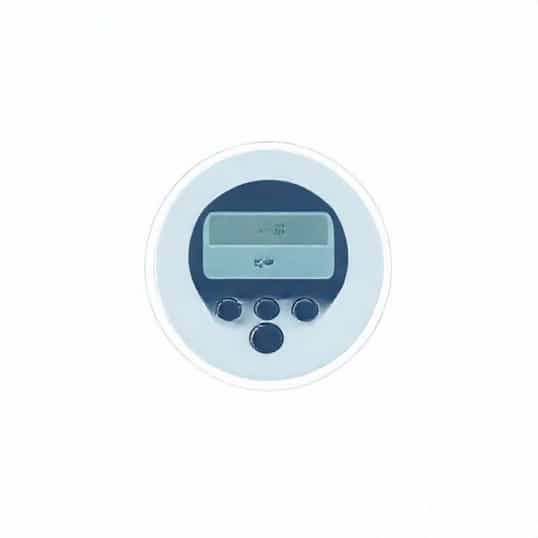
Installation Of Communicating Gas Meter
Modern energy systems are becoming more intelligent, and one of the technologies leading this shift is the communicating gas meter. Unlike traditional meters, these devices are capable of sending real-time consumption data directly to utility providers, making energy management more efficient for both customers and suppliers. The installation of communicating gas meters is an essential step in upgrading existing infrastructure to smarter networks. Understanding the process, requirements, and benefits of installing these meters helps ensure that the transition is smooth and effective for homes, businesses, and industries alike.
What Is a Communicating Gas Meter?
A communicating gas meter is a smart metering device that measures gas consumption while also transmitting the data electronically. It allows two-way communication between the meter and the energy provider. This eliminates the need for manual readings, reduces errors, and provides real-time insights into energy use. Because of this, installation of communicating gas meters has become a key part of modernizing energy systems worldwide.
Importance of Installation
The installation of communicating gas meters offers significant advantages. Utility companies can better manage supply and demand, while consumers gain visibility into their energy usage. Additionally, the system improves billing accuracy, reduces administrative costs, and supports energy efficiency initiatives. Installing these meters is not only about upgrading technology but also about creating a sustainable and responsive energy ecosystem.
Preparation Before Installation
Before beginning the installation of communicating gas meters, several steps need to be taken to ensure safety and compliance
- Site survey– A technician inspects the property to confirm that the existing gas meter can be replaced or upgraded.
- Safety checks– Ensuring there are no gas leaks, faulty pipes, or hazardous conditions in the meter area.
- Communication signal availability– Verifying that the location has adequate coverage for the meter to communicate with the utility’s network.
- Scheduling– Coordinating with the homeowner or business to arrange a suitable time for installation.
Step-by-Step Process of Installation
1. Shutting Off the Gas Supply
The first step in the installation of a communicating gas meter is shutting off the gas supply safely. This is crucial to prevent leaks or accidents during the replacement of the old unit.
2. Removing the Existing Meter
The old meter is carefully disconnected from the gas supply lines. The technician ensures that the removal is done without damaging pipes or causing unnecessary stress to the fittings.
3. Installing the Communicating Meter
The new smart gas meter is securely connected to the gas lines. At this stage, technicians check alignment, sealing, and proper fittings to prevent leaks. The installation must meet regulatory standards and utility guidelines.
4. Activating the Communication Module
Once the meter is physically installed, its communication module is activated. This module allows the meter to send real-time data back to the utility provider through wireless or wired communication networks.
5. Testing and Verification
After installation, the system is tested for accuracy, communication reliability, and safety. The gas flow is restored, and the technician verifies that the readings are correct and that the communication link is functioning properly.
6. Customer Guidance
The technician explains the basic functions of the new meter to the customer. This often includes how to read the display, how the communication works, and what to expect in terms of billing and monitoring.
Safety Considerations
Gas meter installation always requires strict safety protocols. During the installation of communicating gas meters, the following precautions are standard
- Checking for gas leaks with approved detection tools.
- Ensuring all connections are properly tightened and sealed.
- Maintaining compliance with local codes and safety regulations.
- Verifying ventilation in the meter installation area.
Safety is the top priority, since any negligence could lead to gas leaks, fire hazards, or system malfunctions.
Benefits of Communicating Gas Meters
The advantages of these meters become evident immediately after installation. Some of the key benefits include
- Accurate billing– No more estimated bills, as readings are precise and automatic.
- Energy efficiency– Consumers can monitor usage patterns and adjust habits to save energy.
- Reduced operational costs– Utilities save money on manual meter readings and administrative errors.
- Enhanced outage detection– The system can quickly detect and report disruptions in service.
- Support for future smart grid systems– Communicating gas meters integrate seamlessly with other smart devices and systems.
Challenges in Installation
Although the installation of communicating gas meters has many benefits, it also comes with challenges. Some properties may not have strong communication signals, requiring additional infrastructure. Older gas systems may need upgrades before a new meter can be safely installed. Furthermore, customers may have concerns about privacy or the accuracy of automated systems, making education an important part of the installation process.
Integration with Smart Energy Systems
Communicating gas meters are a cornerstone of smart energy systems. They integrate with smart electricity meters and water meters, creating a complete picture of resource consumption. This data can be used to develop personalized energy-saving strategies, support renewable energy integration, and enhance sustainability efforts. The installation of these meters is therefore not just a technical upgrade but a step toward a smarter, greener future.
Maintenance After Installation
Once the meter is installed, maintenance is minimal. However, periodic inspections ensure the device is operating correctly. Software updates may be sent remotely to keep the communication module secure and efficient. Customers are encouraged to report any unusual readings or service interruptions to the utility provider.
Future of Communicating Gas Meters
The installation of communicating gas meters is part of a broader transformation in how energy is managed. In the future, these meters will likely include more advanced features such as predictive maintenance alerts, integration with home automation systems, and enhanced data security measures. As technology evolves, the role of these meters will expand, making them even more valuable as a precious tool in modern energy management.
The installation of communicating gas meters represents progress in efficiency, safety, and sustainability. From the careful preparation and safety protocols to the testing and activation process, every step ensures reliable operation. These devices offer a range of benefits, from accurate billing to integration with smart grids, proving that their value extends far beyond simple gas measurement. As energy systems continue to modernize, the installation of communicating gas meters will remain a key step toward building smarter, more connected communities.