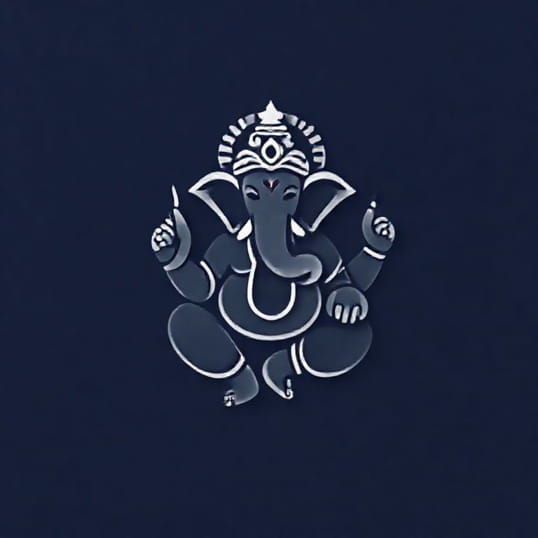
Images Of Lord Ganesha
Lord Ganesha, one of the most revered deities in Hinduism, is widely known as the remover of obstacles, the god of wisdom, and the patron of arts and sciences. Images of Lord Ganesha are not only central to religious worship but also inspire art, culture, and spirituality across the world. These images portray Ganesha in various forms, each symbolizing different aspects of life, devotion, and cosmic energy. From traditional sculptures in temples to modern artistic interpretations, images of Lord Ganesha capture the imagination of devotees, artists, and scholars alike, making him a universally recognizable and deeply significant figure.
Historical and Cultural Significance
Images of Lord Ganesha have been part of Indian culture for centuries. They appear in temples, manuscripts, festivals, and homes, reflecting the god’s enduring importance. Ganesha is often depicted with an elephant head, a large belly, and four arms, each carrying symbolic objects like a lotus, a rope, a modak (sweet), and a weapon. These depictions are not merely artistic; they convey spiritual teachings about wisdom, prosperity, and the balance between power and gentleness. The creation and veneration of these images are deeply rooted in cultural rituals, storytelling, and religious symbolism.
Symbolism in Ganesha Images
- Elephant HeadRepresents wisdom, intelligence, and a calm, grounded nature.
- Large BellySymbolizes generosity, acceptance, and the capacity to digest life’s experiences.
- Four ArmsEach arm represents a different function protection, guidance, blessings, and the removal of obstacles.
- Mouse as VehicleSignifies humility and the ability to overcome desires and challenges.
- ModakRepresents rewards for spiritual practice and the sweetness of devotion.
Varieties of Ganesha Images
Images of Lord Ganesha come in multiple forms, each reflecting a particular theme or purpose. Traditional images found in temples often show Ganesha seated on a lotus or throne, exuding serenity and spiritual authority. In contrast, festival images, especially during Ganesh Chaturthi, may depict Ganesha in more playful, dynamic, or colorful forms to encourage joy and celebration. Artistic interpretations may range from classical Indian styles to contemporary, abstract depictions, catering to both devotional and aesthetic appreciation.
Regional Variations
Different regions in India have developed unique styles of portraying Lord Ganesha. In Maharashtra, for example, images often show Ganesha with a large, round belly and bright colors to evoke warmth and approachability. In South India, bronze sculptures emphasize intricate detailing and ritualistic significance. Eastern India sometimes depicts Ganesha with his consorts, Riddhi and Siddhi, highlighting prosperity and spiritual success. These regional differences reflect local cultural practices, artistic techniques, and theological emphases.
Spiritual and Devotional Use
Images of Lord Ganesha are central to Hindu devotional practices. They are placed in homes, offices, and public spaces to invite blessings, protection, and prosperity. Worshippers often perform daily rituals, offer flowers, sweets, and incense, and meditate before Ganesha images to seek guidance and remove obstacles. The visual presence of the deity serves as a constant reminder of spiritual principles and ethical living, encouraging focus, mindfulness, and reverence in everyday life.
Role in Festivals
One of the most prominent uses of Ganesha images is during Ganesh Chaturthi, a festival that celebrates the birth of Lord Ganesha. Elaborate idols are crafted from clay or other materials and placed in homes or public pandals (temporary structures). Devotees perform daily prayers, sing devotional songs, and participate in cultural programs. The festival concludes with the immersion of Ganesha images in water, symbolizing the cycle of creation and dissolution, and the deity’s blessings returning to the universe. This ritual underscores both communal celebration and spiritual symbolism.
Artistic Interpretations
Beyond traditional religious contexts, images of Lord Ganesha inspire artists worldwide. Painters, sculptors, and digital artists explore Ganesha’s symbolism to convey themes of wisdom, resilience, and creativity. Modern interpretations may place Ganesha in abstract, surreal, or contemporary settings while retaining key symbolic elements. These images often transcend religious boundaries, appealing to individuals interested in spirituality, philosophy, or cultural heritage. The adaptability of Ganesha’s imagery highlights the deity’s universal appeal and the fusion of devotion with artistic expression.
Materials and Techniques
Ganesha images are created from diverse materials and techniques. Traditional sculptures often use stone, bronze, or wood, while contemporary images may use clay, papier-mâché, metal alloys, or digital media. Techniques range from meticulous hand-carving to innovative mixed-media art, reflecting both cultural tradition and modern creativity. The choice of material and style often depends on the intended use, whether for worship, public display, or artistic appreciation.
Educational and Cultural Impact
Images of Lord Ganesha are also significant in educational and cultural contexts. Schools, museums, and cultural centers often use these images to teach about Indian art, mythology, and religious practices. The symbolism of Ganesha provides insights into values such as wisdom, perseverance, and moral integrity. Additionally, exhibitions of Ganesha art promote cultural awareness and appreciation for India’s artistic and spiritual heritage, encouraging global understanding and dialogue.
Global Recognition
Today, images of Lord Ganesha are recognized worldwide, not only within Hindu communities but also among spiritual seekers, art enthusiasts, and scholars. They appear in international art collections, literature, and cultural events. The universal themes represented by Ganesha images overcoming obstacles, wisdom, and the pursuit of knowledge resonate across cultures, making the deity a symbol of inspiration and guidance beyond religious boundaries.
Images of Lord Ganesha serve as powerful representations of spiritual, cultural, and artistic significance. They encapsulate key teachings of wisdom, devotion, and moral integrity while providing inspiration for art, ritual, and daily life. From traditional temple sculptures to contemporary artistic interpretations, Ganesha images continue to captivate and inspire people across the world. By exploring these images, individuals can appreciate the deep symbolism, historical richness, and spiritual guidance that Lord Ganesha embodies, making his presence felt in both devotional practice and cultural heritage.