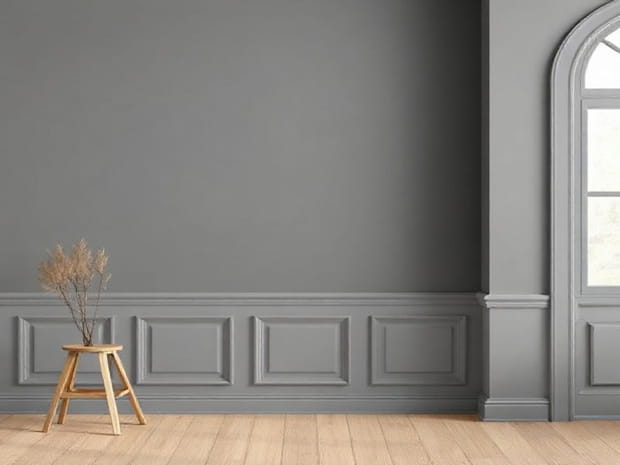
Ideas For Painting Wainscoting
Painting wainscoting is a creative way to add character, texture, and depth to any room. Wainscoting, the decorative paneling applied to the lower portion of walls, has long been a popular design element in both traditional and modern interiors. Properly painted wainscoting can dramatically enhance the overall aesthetic of a space, whether you aim for a classic, elegant look or a bold, contemporary statement. Choosing the right paint colors, finishes, and techniques can completely transform the feel of a room, making it cozier, more stylish, and visually balanced. With a range of ideas and approaches, painting wainscoting allows homeowners and designers to explore personal style while highlighting architectural details.
Choosing the Right Color for Wainscoting
Selecting the right paint color is critical for achieving the desired impact with wainscoting. The color you choose should complement the rest of the room, including walls, furniture, and flooring. Popular choices include classic whites, soft neutrals, deep navy, and rich grays. While lighter shades can create a sense of openness and brightness, darker colors tend to make the wainscoting stand out and add a touch of sophistication.
Monochromatic vs. Contrasting Colors
One approach is to use a monochromatic color scheme, painting the wainscoting a slightly darker or lighter shade than the walls. This creates subtle contrast and enhances the paneling without overwhelming the room. Alternatively, contrasting colors can make wainscoting a focal point. For example, pairing crisp white wainscoting with a bold wall color like emerald green or deep teal can produce a striking visual effect that highlights architectural details.
Different Finishes for Wainscoting
The finish of the paint plays an important role in both appearance and durability. Semi-gloss and high-gloss finishes are ideal for wainscoting because they are easy to clean and maintain, especially in high-traffic areas such as hallways, dining rooms, and kitchens. Matte or eggshell finishes provide a more subtle, elegant look but may require more care to prevent scuffing.
Textured Finishes
For a unique and artistic touch, textured finishes can be applied to wainscoting. Techniques such as glaze, sponge painting, or rag-rolling add depth and dimension, creating an interesting visual effect. Textured finishes can also complement traditional or rustic interiors, adding warmth and character to the space.
Painting Techniques for Wainscoting
Proper painting techniques ensure a professional and long-lasting result. Before painting, it is important to clean and lightly sand the wainscoting to remove dust and ensure good adhesion. Applying a quality primer helps prevent staining and provides a uniform base for the topcoat. Use a small angled brush for detailed areas and a roller for flat panels to achieve an even, smooth finish.
Accent Panels and Two-Tone Designs
Another popular idea is to paint the wainscoting in a two-tone design. This involves painting the panels a different color than the surrounding wall. For instance, you might choose a soft gray for the wainscoting panels and a crisp white for the wall above. This approach emphasizes the architectural design and creates visual interest. Accent panels in bold or metallic colors can also serve as statement pieces in dining rooms, living rooms, or hallways.
Modern and Creative Wainscoting Ideas
While traditional wainscoting often involves raised or recessed panels, modern interpretations provide room for creativity. Flat or shaker-style wainscoting offers a clean, contemporary look, which pairs well with minimalist or industrial interiors. Painting these modern panels in unexpected colors, such as muted pastels or deep jewel tones, can give the space a fresh, contemporary feel.
Using Patterns and Decorative Techniques
For a more adventurous approach, consider painting patterns on wainscoting panels. Chevron, herringbone, or geometric stencils can turn ordinary wainscoting into a design feature. Metallic paints or subtle shimmer finishes can also add elegance and a touch of luxury. Such decorative techniques are particularly effective in smaller rooms where statement walls are desirable.
Integrating Wainscoting with Overall Room Design
When painting wainscoting, it is important to consider the room’s overall color palette and style. Coordinating wainscoting color with furniture, artwork, and flooring creates harmony and a cohesive design. For example, white wainscoting pairs beautifully with dark hardwood floors and neutral-colored furniture, while darker wainscoting can complement light walls and contemporary décor. The goal is to balance the visual weight of the wainscoting with other elements in the room.
Highlighting Architectural Details
Painting wainscoting also provides an opportunity to highlight architectural details. Crown molding, chair rails, and baseboards can be painted in complementary colors to frame the wainscoting and enhance its visual appeal. Using slightly lighter or darker shades on trim can create subtle depth and sophistication.
Tips for Long-Lasting Wainscoting Paint
- Always prep the surface properly by cleaning, sanding, and priming to ensure paint adhesion.
- Use high-quality brushes and rollers for smooth, professional finishes.
- Apply multiple thin coats of paint rather than one thick coat to prevent drips and uneven coverage.
- Consider washable or durable paints for high-traffic areas to maintain a fresh appearance.
- Allow sufficient drying time between coats to prevent streaks and uneven surfaces.
Painting wainscoting is a versatile and impactful way to elevate the style and elegance of any room. From classic whites and soft neutrals to bold contrasting shades, the possibilities are endless. Incorporating creative finishes, two-tone designs, accent panels, or decorative patterns can make wainscoting a focal point that enhances the overall interior design. By choosing the right colors, finishes, and techniques, homeowners can achieve professional-looking results that highlight architectural details and complement the room’s aesthetic. Whether aiming for a timeless traditional look or a modern, artistic statement, thoughtful wainscoting painting ideas can transform walls and enrich living spaces with style, depth, and character.