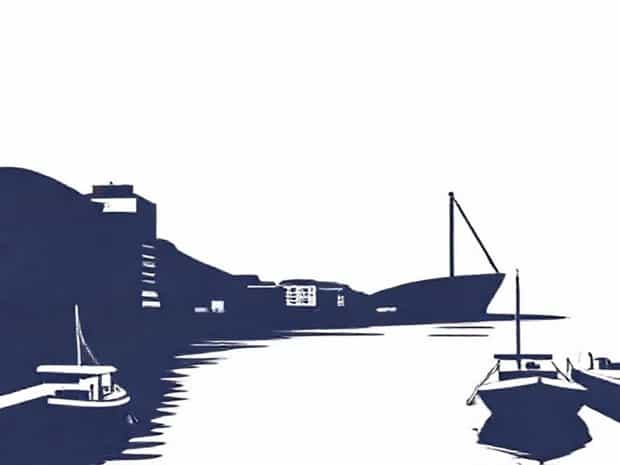
How To Pronounce Quayside
Pronunciation is a fundamental part of effective communication, especially when encountering words that may seem unusual or have unexpected spelling-to-sound relationships. One such word is quayside, commonly used in maritime, travel, and geographic contexts. Many learners of English find it challenging because its spelling does not directly indicate its pronunciation. Mispronouncing quayside can create confusion in conversation, particularly when discussing locations near ports or harbors. Understanding the phonetic structure, stress pattern, and proper articulation of the word is essential for clarity. Mastering the pronunciation enhances not only comprehension but also confidence in professional and casual communication.
Definition and Meaning of Quayside
The word quayside refers to the area alongside or near a quay, which is a platform built along the edge of a harbor or river for loading and unloading ships. It is often used in descriptions of waterfront areas, tourism guides, or shipping logistics. For example, one might say, We walked along the quayside to enjoy the harbor view, indicating the walkway or promenade adjacent to the water. Understanding its meaning provides context for pronunciation and helps learners grasp when and where to use the word correctly.
Breaking Down the Word
Quayside is a two-syllable word quay-side. Despite its spelling, it is pronounced /ËkiË.saɪd/. The primary stress falls on the first syllable quay, and the second syllable side is unstressed but clearly articulated. Recognizing this mismatch between spelling and pronunciation is crucial for correct verbal usage. Breaking the word into its two parts allows learners to focus on the sounds individually before blending them into a smooth, fluent word.
Step-by-Step Pronunciation Guide
Step 1 Pronounce Quay
The first syllable quay is pronounced /kiË/, which sounds like key. Despite the quay spelling, learners must remember that the letters do not follow conventional English phonetic rules. The /k/ is a voiceless plosive, followed by the long /iË/ vowel. This syllable carries the primary stress, so it should be pronounced slightly louder and more emphasized than the second syllable.
Step 2 Pronounce Side
The second syllable side is pronounced /saɪd/, rhyming with words like tide or ride. The vowel /aɪ/ is a diphthong that starts with an open front vowel /a/ and glides to the close front vowel /ɪ/. The /s/ is a voiceless alveolar fricative, and the final /d/ is a voiced plosive. This syllable is unstressed compared to quay but must be articulated clearly to maintain natural flow.
Common Pronunciation Mistakes
Several errors are commonly made when pronouncing quayside
- Pronouncing quay phonetically as /kwÉɪ/ or /kweɪ/ instead of /kiË/.
- Placing stress incorrectly on the second syllable side instead of the first.
- Mispronouncing the diphthong /aɪ/ in side as a short vowel /ɪ/ or /e/.
- Separating the syllables too distinctly, resulting in a choppy pronunciation.
- Omitting the final /d/ sound in side, which makes the word sound incomplete.
Regional Variations
The pronunciation of quayside is generally consistent in British and American English. Both varieties pronounce quay as /kiË/ and side as /saɪd/, with the primary stress on the first syllable. Regional accents may slightly influence vowel quality, but the standard pronunciation is widely recognized. This consistency makes it easier for learners to adopt a pronunciation that is understood internationally, especially in contexts related to maritime activities or tourism.
Using Quayside in Sentences
Practicing the word in context reinforces both pronunciation and comprehension. Examples include
- The restaurants along the quayside offered fresh seafood and scenic views.
- We spent the afternoon strolling along the quayside, watching the boats come and go.li>
- Historical buildings line the quayside, reflecting the city’s maritime heritage.li>
- A lively market was set up on the quayside during the weekend festival.li>
Tips for Mastering Pronunciation
Here are practical strategies to improve pronunciation of quayside
- Break the word into syllables quay-side, and practice each part separately.
- Emphasize the first syllable quay to maintain correct stress.
- Focus on pronouncing the long /iË/ vowel in quay clearly.
- Practice the diphthong /aɪ/ in side to ensure accurate articulation.
- Use the word in sentences about waterfronts, ports, or tourism to reinforce natural usage.
Benefits of Correct Pronunciation
Correctly pronouncing quayside ensures clear communication, especially in discussions involving geography, travel, or maritime activities. Proper pronunciation demonstrates linguistic competence and allows speakers to convey ideas confidently. It also prevents misunderstandings when giving directions, describing locations, or discussing historical and cultural sites near waterfronts. By mastering quayside, speakers enhance both professional and casual interactions, making the word a valuable addition to one’s vocabulary.
Practice Exercises
To master quayside, try these exercises
- Repeat the word slowly /ËkiË.saɪd/ and gradually increase speed.
- Use it in sentences related to harbors, rivers, or tourism to practice contextually.
- Record your pronunciation and compare it with native speakers to identify areas for improvement.
- Practice minimal pairs such as quayside vs. countryside to refine stress and vowel sounds.
- Integrate the word into spoken descriptions of city walks or travel experiences to reinforce natural flow.
Mastering the pronunciation of quayside involves understanding its two-syllable structure, stressing the first syllable quay, and clearly articulating the diphthong in side. By practicing slowly, using the word in sentences, and listening to native speakers, learners can confidently incorporate quayside into conversation, travel narratives, and professional discussions. Correct pronunciation enhances clarity, demonstrates linguistic competence, and allows speakers to describe waterfront locations accurately. Consistent practice ensures that the word is used naturally and confidently, making it an essential term for anyone discussing ports, harbors, or scenic riversides.