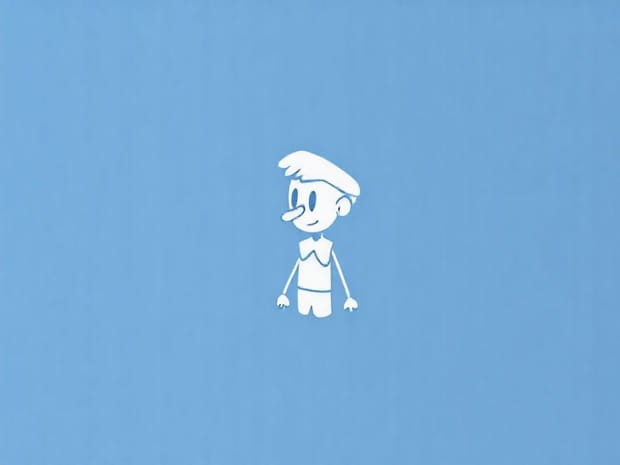
How To Draw Pinocchio
Drawing Pinocchio can be a fun and rewarding experience for artists of all skill levels. The charming wooden puppet created by Carlo Collodi has a distinct look that is recognizable around the world, featuring a long nose, expressive eyes, and playful clothing. Capturing his unique features requires attention to proportions, details, and a sense of personality that brings the character to life on paper. With some guidance and practice, anyone can learn how to draw Pinocchio step by step, creating illustrations that are both accurate and full of charm.
Understanding Pinocchio’s Appearance
Before starting to draw, it’s important to understand Pinocchio’s basic appearance. He is typically depicted as a young wooden boy with jointed limbs, a pointed hat, a short jacket, and a pair of shorts. His nose is one of the most iconic features, often exaggerated when he tells a lie. Paying attention to these details helps in maintaining the character’s identity. Observing various illustrations or references of Pinocchio can help you grasp his proportions and posture, which are key to creating a believable drawing.
Gathering Your Drawing Materials
To draw Pinocchio effectively, you’ll need some basic materials. Pencils of different hardness, an eraser, and quality paper are essential for sketching and refining details. Colored pencils or markers can be used to add color and depth. Digital artists may prefer a tablet or drawing software that allows layering and easy corrections. Having the right tools ensures that your drawing process is smooth and enjoyable.
Starting with Basic Shapes
Every drawing begins with simple shapes to map out proportions. Start with a circle for the head and an oval or rectangle for the torso. Draw guidelines for the eyes, nose, and mouth to ensure symmetry. Simple lines can represent the arms and legs, marking joints where movement occurs. Using these basic shapes helps maintain proper proportions as you refine the drawing, preventing mistakes that can be difficult to correct later.
Sketching Pinocchio’s Face
Pinocchio’s face is expressive and defines much of his character. Begin by sketching his eyes along the guideline, leaving enough space between them. Add a small curved mouth and a rounded chin. The nose is long and pointed, slightly exaggerated to emphasize his wooden puppet nature. Don’t forget to include eyebrows that convey emotion and a small hat on top of his head, tilted at a playful angle. These details make his face recognizable and full of personality.
Drawing the Body and Limbs
Once the head is complete, move on to the body. Pinocchio has a childlike physique with jointed limbs that can bend at the elbows and knees. Sketch the arms and legs using simple lines first, marking the joints. Add circles or ovals for hands and feet. His clothing includes a short jacket and shorts, often with buttons or suspenders. Make sure to capture the folds and creases in the fabric to create a sense of dimension. Remember that his wooden texture can be suggested with light lines along the limbs and joints.
Adding Clothing and Accessories
Details like the pointed hat, collar, and shoes bring Pinocchio to life. Draw the hat slightly tilted and add a small pom-pom at the tip if desired. The jacket should have visible seams and buttons, while his shorts may include a belt or suspenders. Shoes can be simple rounded shapes with straps or laces. Accessories such as a small bag or a playful stance add charm and personality, making your drawing more engaging.
Refining Details and Features
After the basic sketch is complete, focus on refining details. Erase unnecessary guidelines and smooth out lines for the final outline. Add wood-like textures along his limbs and slight shading to indicate depth and volume. Pay attention to facial expressions, as Pinocchio’s emotions often tell a story in the illustration. Detailing clothing folds, buttons, and hat textures enhances realism while maintaining the whimsical style of the character.
Shading and Coloring
Adding color can elevate your Pinocchio drawing significantly. Use light brown or beige tones for the wooden skin, and vibrant colors for his clothing, such as red, blue, or yellow. Colored pencils, markers, or digital tools allow blending to create shadows and highlights. Shading the nose, arms, and joints adds dimension, while highlights on the hat or shoes make the illustration pop. Experiment with subtle gradients to convey light sources and create a more dynamic image.
Adding Expression and Movement
Pinocchio is known for his lively and playful nature. Incorporate gestures and poses to capture his personality. A hand raised, a step forward, or a surprised expression can convey emotion and make the character more relatable. Dynamic poses prevent the drawing from looking static and help tell a story. Consider drawing multiple sketches in different poses to practice capturing movement and energy.
Common Mistakes to Avoid
- Misproportioned head and body – keep the head slightly larger for a youthful appearance.
- Flat or stiff limbs – use joints and slight curves to suggest flexibility.
- Ignoring clothing details – small elements like buttons and collars add realism.
- Overcomplicating textures – subtle wood lines work better than heavy patterns.
- Neglecting facial expression – Pinocchio’s charm lies in his expressive face.
Practicing and Improving
Drawing Pinocchio takes practice and patience. Start with simple sketches and gradually add details and color. Experiment with different styles, such as cartoonish or semi-realistic interpretations, to find your preferred approach. Studying references and observing how other artists depict Pinocchio can provide inspiration and guidance. Over time, your drawings will become more confident, polished, and full of character.
Learning how to draw Pinocchio is both enjoyable and educational for artists of all levels. By understanding his appearance, planning proportions, and adding expressive details, you can create illustrations that capture the charm of this iconic character. Paying attention to clothing, textures, and poses helps bring the wooden puppet to life on paper or digital platforms. With patience, practice, and creativity, drawing Pinocchio can become a fun way to develop artistic skills while celebrating a beloved character that has inspired generations.