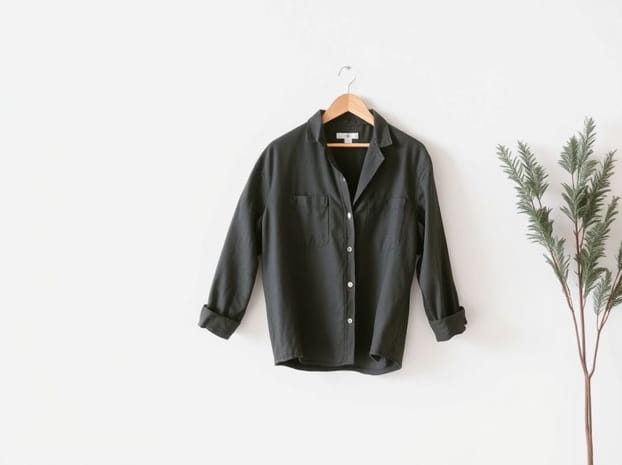
How To Be Sustainable With Clothing
In recent years, sustainability has become an increasingly important consideration in nearly every aspect of daily life, and the fashion industry is no exception. Clothing production is one of the most resource-intensive industries in the world, contributing significantly to water consumption, carbon emissions, and waste. Learning how to be sustainable with clothing is not only about making eco-friendly choices but also about adopting a mindful approach to consumption, extending the life of garments, and supporting practices that reduce environmental impact. For many, this may seem daunting at first, but by understanding key principles and implementing practical strategies, anyone can make a meaningful difference.
Understanding Sustainable Fashion
Sustainable fashion focuses on minimizing negative environmental and social impacts associated with clothing. This includes the way garments are produced, the materials used, the labor conditions under which they are made, and how long they last. Being sustainable with clothing means considering both the direct and indirect effects of fashion choices on the planet and people. It is about making informed decisions, valuing quality over quantity, and recognizing the full lifecycle of a piece of clothing from production to disposal.
Key Principles of Sustainable Clothing
- Using materials that are eco-friendly, such as organic cotton, bamboo, hemp, or recycled fabrics.
- Supporting brands that prioritize fair labor practices and ethical manufacturing.
- Extending the lifespan of garments through proper care and repair.
- Reducing overconsumption by choosing versatile, timeless pieces rather than fast fashion trends.
Choosing Eco-Friendly Materials
One of the most effective ways to be sustainable with clothing is to choose eco-friendly materials. Natural fibers like organic cotton, hemp, linen, and bamboo are biodegradable and require fewer chemicals compared to conventional fabrics. Recycled fabrics, including polyester made from post-consumer plastic, reduce the need for virgin materials and prevent waste from entering landfills. When shopping for new clothing, reading labels and researching the fabric composition can help ensure that your purchases are environmentally responsible.
Benefits of Sustainable Fabrics
- Lower environmental footprint due to reduced water and chemical use.
- Less contribution to microplastic pollution when washing synthetic recycled fabrics.
- Longer-lasting materials that maintain quality over time.
- Encouragement of innovative textile technologies that prioritize sustainability.
Supporting Ethical Brands
Being sustainable with clothing extends beyond materials; it also involves the practices of the brands you choose to support. Ethical brands prioritize fair wages, safe working conditions, and transparency in their supply chains. By choosing to buy from companies that care about the well-being of their workers and the planet, consumers can help drive positive change in the fashion industry. Even small purchases can have an impact if they support sustainable practices consistently over time.
What to Look For in Brands
- Certifications like Fair Trade, Global Organic Textile Standard (GOTS), or OEKO-TEX.
- Transparency in sourcing and production methods.
- Commitment to reducing carbon emissions and waste.
- Programs for recycling or take-back initiatives for old garments.
Extending the Lifespan of Clothing
Another important aspect of sustainability is caring for the clothes you already own. Proper care can significantly extend the life of garments, reducing the need to buy new items frequently. This includes following washing instructions, avoiding excessive heat, and storing clothes appropriately. Repairing damaged clothing, such as sewing torn seams or replacing buttons, also helps prevent items from being discarded prematurely. By valuing the clothes you already have, you contribute to a reduction in overall waste and environmental impact.
Practical Tips for Garment Care
- Wash clothes in cold water to save energy and prevent color fading.
- Air dry when possible instead of using electric dryers.
- Invest in quality hangers and storage solutions to maintain shape.
- Learn basic mending techniques to fix minor damage instead of throwing items away.
Reducing Overconsumption
Overconsumption is a major driver of environmental damage in the fashion industry. Fast fashion encourages frequent purchases of inexpensive, low-quality items, resulting in waste and pollution. Being sustainable with clothing requires a shift in mindset focusing on purchasing only what is necessary, investing in durable pieces, and embracing versatile, timeless styles. Creating a capsule wardrobe with items that can be mixed and matched reduces the need for constant shopping and promotes thoughtful consumption.
Strategies to Avoid Overconsumption
- Plan purchases and avoid impulse buying.
- Choose multi-functional clothing that can be worn in various settings.
- Adopt a buy less, choose well” philosophy emphasizing quality over quantity.
- Engage in clothing swaps or second-hand shopping to reduce demand for new production.
Second-Hand and Vintage Shopping
Buying second-hand or vintage clothing is a sustainable alternative to purchasing new items. Thrift stores, consignment shops, and online marketplaces offer a wide range of clothing that can be repurposed or upcycled. This practice reduces demand for new production, minimizes waste, and often allows for unique, one-of-a-kind finds. Embracing second-hand fashion not only benefits the environment but also encourages a culture of reuse and creativity in styling.
Advantages of Second-Hand Clothing
- Lower environmental impact compared to new production.
- Supports circular economy practices and reduces landfill waste.
- Often more affordable, allowing sustainable choices without overspending.
- Promotes individuality and personalized fashion sense.
Recycling and Upcycling
Recycling and upcycling old clothing is another way to practice sustainability. Recycling involves processing worn-out textiles into new materials or garments, while upcycling transforms old items into new, functional, or stylish pieces. Both methods extend the life of materials and prevent them from ending up in landfills. Engaging in DIY projects or supporting brands that offer recycled collections can make a significant contribution to reducing environmental impact.
Ideas for Upcycling and Recycling
- Turn old t-shirts into tote bags or cleaning rags.
- Convert worn jeans into shorts or patchwork designs.
- Donate clothing to textile recycling programs.
- Look for brands that incorporate recycled fabrics into new collections.
Being sustainable with clothing is a multifaceted approach that combines thoughtful purchasing, proper care, and creative reuse. By choosing eco-friendly materials, supporting ethical brands, extending the lifespan of garments, reducing overconsumption, shopping second-hand, and embracing recycling or upcycling, individuals can make a meaningful impact on the environment and the fashion industry. Sustainability in clothing is not about perfection but about making informed, conscious decisions consistently. Over time, these practices contribute to a more responsible, environmentally-friendly wardrobe while promoting a culture of mindfulness and respect for both people and the planet. Every small step taken toward sustainable clothing practices helps build a healthier, more equitable world for future generations.