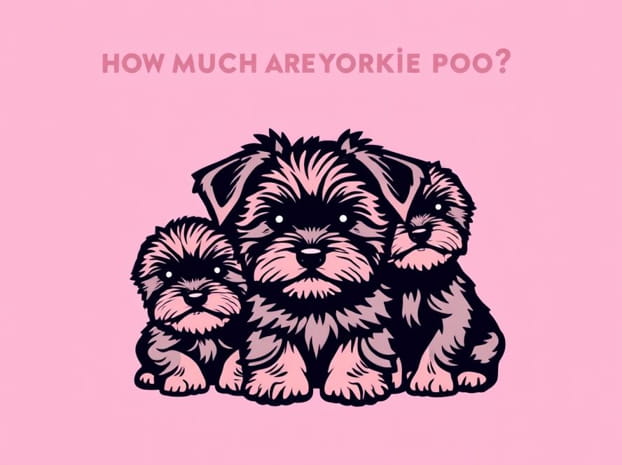
How Much Are Yorkie Poo Puppies
Yorkie Poo puppies have become increasingly popular in recent years due to their adorable appearance, playful personality, and hypoallergenic qualities. These designer dogs are a crossbreed between a Yorkshire Terrier and a Poodle, combining the intelligence of the Poodle with the charming personality of the Yorkie. Many prospective pet owners are curious about the price of these puppies, as it can vary widely depending on several factors such as breeder reputation, location, lineage, and the puppy’s health and age. Understanding these factors can help potential owners make informed decisions when looking to bring a Yorkie Poo into their home.
Factors Affecting the Price of Yorkie Poo Puppies
The cost of Yorkie Poo puppies is influenced by a range of factors. One of the main considerations is the breeder. Reputable breeders who prioritize health testing, vaccinations, and socialization often charge more than less responsible breeders. Puppies from lines with champion ancestors or award-winning pedigrees can also command higher prices. Additionally, the location where the puppy is sold affects cost due to regional demand, veterinary care, and living expenses.
Size and Coat Type
Yorkie Poo puppies come in different sizes, including toy, miniature, and standard, depending on the size of the Poodle parent. Toy and miniature Yorkie Poos are generally more expensive because they are smaller, more delicate, and often considered more desirable for apartment living. Coat type also influences price. Puppies with curly, low-shedding coats are popular among allergy-sensitive owners and may cost more than those with straighter coats.
Average Price Range
On average, Yorkie Poo puppies can range from $800 to $3,500, depending on the factors mentioned above. Puppies from highly reputable breeders with extensive health testing, vaccinations, and proper socialization often fall into the higher end of this range. Adoption from a rescue or shelter may provide a more affordable option, usually ranging from $300 to $800, which often includes spaying or neutering and initial vaccinations.
Additional Costs to Consider
Beyond the initial purchase price, owning a Yorkie Poo comes with ongoing expenses. These include regular veterinary visits, grooming, high-quality food, training, toys, and pet insurance. Grooming is particularly important for Yorkie Poos because their coats can become tangled or matted if not properly cared for. Regular grooming and brushing can add several hundred dollars annually to the overall cost of ownership.
Where to Find Yorkie Poo Puppies
Prospective owners can find Yorkie Poo puppies through various channels, each with its advantages and drawbacks. Reputable breeders are often preferred because they provide health guarantees, socialization, and support. Online directories and breed-specific clubs can help locate trustworthy breeders. Visiting the breeder in person and meeting the puppy’s parents is recommended to ensure ethical breeding practices.
Rescue and Adoption Options
Adopting a Yorkie Poo from a rescue organization is another option. Although designer breeds are often associated with higher costs, many Yorkie Poos end up in rescues due to changes in owner circumstances, allergies, or behavioral issues. Adoption fees are typically lower than breeder prices and often include vaccinations, microchipping, and spaying or neutering. This route allows prospective owners to provide a loving home to a dog in need while potentially saving on initial costs.
Tips for Responsible Purchase
When considering purchasing a Yorkie Poo, it’s important to research thoroughly to avoid scams and unethical breeders. Look for reviews and testimonials, ask about health testing for common genetic issues such as patellar luxation and hip dysplasia, and inquire about socialization practices. Visiting the puppy in person and observing its living conditions helps ensure the puppy has been raised in a healthy and nurturing environment.
Questions to Ask Breeders
- Have the puppy’s parents been health tested for common genetic issues?
- Can I see the living conditions and meet the puppy’s parents?
- What vaccinations and medical care have been provided?
- Do you offer any health guarantees or return policies?
- How is the puppy socialized and introduced to new experiences?
Benefits of Owning a Yorkie Poo
Yorkie Poo puppies are cherished for their affectionate and friendly nature. They often form strong bonds with their families and adapt well to various living situations. Their intelligence makes them highly trainable, and their small size allows them to be comfortable in apartments or smaller homes. Additionally, their low-shedding coat is a benefit for families with mild allergies, making them a desirable companion pet.
Personality and Temperament
Yorkie Poos typically exhibit a playful, energetic, and loving temperament. They enjoy interactive playtime and mental stimulation, which can be provided through games, training, and puzzle toys. Socialization from an early age is important to prevent shyness or behavioral issues. Their intelligence and willingness to please make them excellent candidates for obedience training, agility, and even therapy work.
The price of Yorkie Poo puppies varies widely based on breeder reputation, lineage, location, size, and coat type. While the initial cost can range from $800 to $3,500, prospective owners should also account for ongoing expenses such as veterinary care, grooming, food, and training. Exploring adoption options can provide a more affordable alternative while offering a loving home to a dog in need. Responsible research and preparation are key to ensuring a positive experience when bringing a Yorkie Poo into your life. By understanding the costs, responsibilities, and care requirements, potential owners can enjoy the many joys and benefits of owning this delightful, intelligent, and affectionate breed.
Key Takeaways
- Yorkie Poo puppies are a crossbreed between Yorkshire Terriers and Poodles.
- Prices vary from $800 to $3,500, depending on multiple factors.
- Ongoing costs include veterinary care, grooming, food, and training.
- Adoption and rescue options may offer a lower-cost alternative.
- Responsible research ensures a healthy, happy, and well-adjusted puppy.