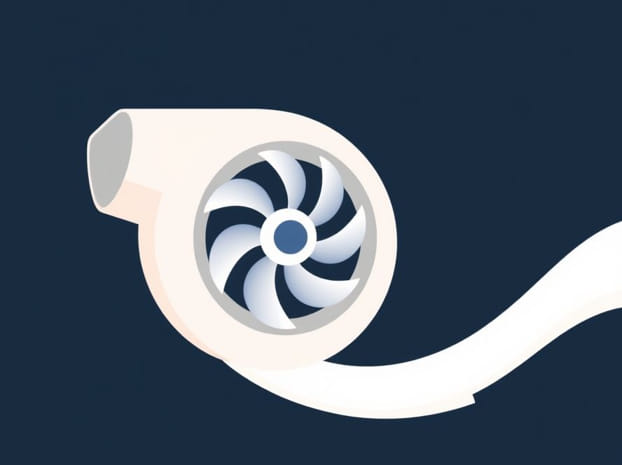
How Does A Turbofan Engine Work?
Turbofan engines are a cornerstone of modern aviation, powering the majority of commercial and military aircraft with efficiency and reliability. These engines are designed to combine the speed and thrust of a jet engine with the fuel efficiency of a propeller system. Understanding how a turbofan engine works involves exploring its complex components, airflow dynamics, and the thermodynamic principles that allow it to generate thrust. From the large fan at the front to the hot exhaust gases expelled at the rear, each part of the engine contributes to creating the force necessary to lift massive airplanes off the ground. For aviation enthusiasts, engineers, and curious minds alike, learning about turbofan engines reveals the marvels of modern aerospace technology and the ingenuity required to achieve high-speed, long-distance flight.
Basic Structure of a Turbofan Engine
A turbofan engine consists of several key components that work in harmony to produce thrust. Unlike turbojet engines, which expel all air through the combustion chamber, turbofan engines divert a significant portion of air around the core. This bypassed air improves efficiency and reduces noise, making turbofan engines ideal for commercial aviation.
Main Components
- FanThe large front-mounted fan draws in air and splits it into two streams one directed into the engine core for combustion, and the other bypassing the core to generate additional thrust.
- CompressorThe compressor increases the pressure of the air entering the combustion chamber, preparing it for efficient burning of fuel.
- Combustion ChamberFuel is mixed with the compressed air and ignited, producing high-pressure, high-velocity gases.
- TurbineThe turbine extracts energy from the exhaust gases to drive the fan and compressor, maintaining a continuous cycle of operation.
- NozzleThe nozzle accelerates the exhaust gases out of the engine, generating thrust according to Newton’s third law of motion.
How Airflow Works in a Turbofan Engine
Understanding the airflow in a turbofan engine is essential to grasping how it generates thrust. Air enters the engine through the fan, where it is split into two paths. The bypass air flows around the engine core and is expelled at high speed, providing a significant portion of the total thrust in high-bypass engines commonly used in commercial jets. The remaining air enters the core, where it undergoes compression, combustion, and expansion, contributing additional thrust.
The Role of the Bypass Air
The bypass air is crucial for fuel efficiency and noise reduction. High-bypass turbofan engines direct more air around the engine core than through it, meaning that less fuel is required for the same amount of thrust. This results in lower operating costs and quieter operation, which is particularly important for commercial airports near populated areas. The fan and bypass system work together to balance power output and efficiency.
Combustion and Power Generation
Inside the combustion chamber, fuel is injected into the high-pressure air compressed by the compressor. Ignition of this fuel-air mixture produces extremely hot and high-speed gases. These gases expand rapidly and pass through the turbine, causing it to spin. The turbine is mechanically connected to the fan and compressor via a shaft, allowing it to transfer energy and maintain continuous airflow through the engine.
Turbine Mechanics
The turbine plays a dual role it extracts energy from the exhaust gases to drive engine components and ensures that sufficient thrust is generated by expelling gases at high velocity. The blades of the turbine are designed to withstand extreme temperatures and stresses, making materials science a critical part of engine design. Advances in turbine blade cooling and materials have allowed modern turbofan engines to achieve higher efficiency and durability.
Thrust Production
Thrust is the force that propels an aircraft forward, and in a turbofan engine, it results from the combined effect of core and bypass airflow. The high-speed exhaust gases from the engine core produce thrust in the same way as a traditional turbojet engine. The bypass air, moving around the core, generates additional thrust, increasing the overall efficiency of the engine. This combination allows turbofan engines to achieve the balance between speed, fuel economy, and environmental considerations.
Thrust Equation and Efficiency
The thrust of a turbofan engine can be approximated using principles of Newtonian physics and fluid dynamics. By increasing the mass of the bypass air and the velocity at which it exits the engine, designers can enhance thrust without significantly increasing fuel consumption. This principle explains why modern high-bypass turbofans are preferred for long-haul commercial aircraft they produce more thrust per unit of fuel burned compared to low-bypass turbojets.
Noise Reduction and Environmental Considerations
One of the major advantages of turbofan engines over older turbojets is reduced noise levels. The bypass air acts as a cushion around the hot core exhaust, reducing the velocity difference between the exhaust gases and the surrounding atmosphere. This leads to quieter operation. Additionally, high-bypass engines are more fuel-efficient, which translates to lower carbon emissions per flight. Manufacturers continuously innovate to improve noise reduction, fuel efficiency, and overall environmental performance, making turbofans a key technology in sustainable aviation.
Maintenance and Reliability
Turbofan engines are designed for long service life and reliability. Regular maintenance, including inspections of fan blades, turbines, and combustion chambers, is essential for safe operation. Modern engines incorporate advanced sensors to monitor temperature, pressure, and vibration in real time, enabling predictive maintenance and minimizing the risk of in-flight failures. The combination of robust design and ongoing monitoring ensures that turbofan engines remain dependable for commercial and military operations.
A turbofan engine is a marvel of engineering that combines advanced thermodynamics, fluid mechanics, and materials science to produce efficient, reliable, and powerful propulsion for modern aircraft. By dividing airflow between the core and bypass system, these engines achieve the optimal balance of thrust, fuel efficiency, and noise reduction. Understanding the operation of a turbofan engine from air intake and compression to combustion, turbine operation, and exhaust reveals the complexity and sophistication behind what may appear as a simple piece of machinery mounted on an airplane wing. As aviation technology continues to advance, turbofan engines remain at the forefront, enabling faster, quieter, and more environmentally friendly air travel.
- A turbofan engine combines the speed of a jet engine with the efficiency of a propeller system.
- Main components include the fan, compressor, combustion chamber, turbine, and nozzle.
- Bypass air improves fuel efficiency and reduces noise.
- The combustion chamber produces high-pressure gases that drive the turbine and generate thrust.
- High-bypass turbofans are preferred for long-haul commercial flights due to efficiency and environmental benefits.
- Advanced materials and design allow turbines to withstand extreme conditions.
- Regular maintenance and monitoring ensure reliability and safety in operation.
- Turbofan engines are crucial for modern, efficient, and sustainable aviation.