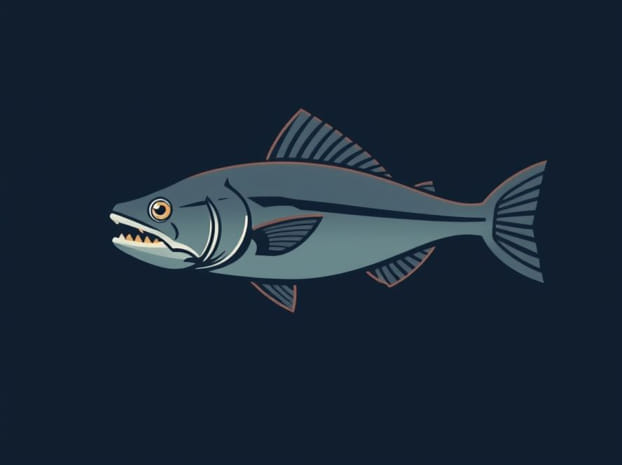
How Does A Piranha Look Like?
Piranhas are some of the most fascinating and notorious freshwater fish in the world, famous for their sharp teeth, powerful jaws, and reputation as aggressive predators. Native primarily to South American rivers such as the Amazon and Orinoco, these fish exhibit a variety of physical characteristics that make them easily identifiable. Understanding how a piranha looks like is not only interesting from a biological standpoint but also important for distinguishing them from other freshwater fish species. Their appearance varies slightly depending on species, but several common traits define the piranha’s iconic look.
General Body Structure
Piranhas generally have a stocky and laterally compressed body, giving them a somewhat rounded yet strong appearance. Most adult piranhas range from 5 to 12 inches in length, though some species can grow larger, reaching up to 20 inches. Their bodies are covered in small, smooth scales that reflect light, often giving them a metallic or silvery sheen. This streamlined shape allows them to move swiftly through the water, making them effective hunters and agile swimmers.
Head and Jaw Structure
The head of a piranha is typically broad and triangular, with a pronounced jawline that houses their most distinctive feature sharp, serrated teeth. The teeth are tightly packed, triangular, and interlocking, designed for slicing through flesh efficiently. The lower jaw is particularly strong and can protrude slightly, giving the piranha its characteristic bite. The mouth is wide, allowing the fish to open it very quickly when attacking prey.
Teeth and Bite
Piranhas are perhaps most famous for their razor-sharp teeth, which are essential for their carnivorous diet. Each tooth is shaped like a small triangle with a serrated edge, similar to a miniature steak knife. This design allows piranhas to tear through flesh, bones, and scales with minimal effort. The teeth are continuously replaced throughout the fish’s life, ensuring that they remain effective for hunting and defense. Despite their fearsome reputation, not all piranha species are highly aggressive, and many primarily feed on plants, insects, or smaller fish.
Eyes and Sensory Organs
Piranhas have relatively large eyes positioned on either side of their head, giving them excellent vision for spotting movement in murky river waters. Their eyes are typically golden or reddish, adding to their intimidating look. In addition to vision, piranhas rely on their lateral line system, a sensory organ running along the sides of their bodies. This system detects vibrations and changes in water pressure, allowing the fish to sense nearby prey or potential threats with high accuracy.
Coloration and Markings
The coloration of piranhas varies depending on species and environment. Most commonly, piranhas display silvery or grayish bodies with subtle hints of green or blue. Many species have red or orange coloration around their belly or lower jaw, especially the red-bellied piranha, which is among the most recognizable. Some piranhas also have darker patches along their sides or fins, providing camouflage in the dappled light of river waters. Coloration can also serve as a social signal within schools, helping individuals recognize members of the same species.
Fins and Tail
Piranhas possess a dorsal fin on their back, a small adipose fin behind it, pectoral fins near the gills, pelvic fins along the underside, and a forked caudal fin. These fins contribute to their remarkable maneuverability and swimming speed. The tail fin is particularly strong and allows sudden bursts of speed, which is essential when chasing prey or evading predators. The fins may have darker edges or red markings depending on the species, further adding to the visual characteristics that define a piranha.
Behavioral Appearance
The way a piranha looks in motion is just as important as its physical traits. Piranhas often swim in schools, which can create an intimidating sight due to the synchronized movements and the flashing of their shiny scales. Their posture is usually alert, with fins slightly raised and mouth occasionally opening to display their teeth. This behavioral display adds to their perception as aggressive fish, though many piranhas primarily rely on coordinated hunting rather than solitary attacks.
Juvenile vs. Adult Appearance
Juvenile piranhas tend to be smaller and may have less vivid coloration than adults. Their teeth are also smaller and not fully developed, making them less capable of tearing flesh. As they mature, the body becomes more robust, teeth sharpen and elongate, and coloration becomes more pronounced. Understanding the differences between juvenile and adult piranhas helps in identifying the species and assessing their hunting capability within river ecosystems.
Species Variations
There are numerous species of piranhas, each with slight variations in appearance. The red-bellied piranha is known for its distinctive red underbelly, while the black piranha exhibits darker body coloration and is one of the most aggressive species. Other species may have subtle greenish or silver tones and varying tooth size and jaw strength. These differences are important for biologists and hobbyists alike when identifying piranha species in the wild or in aquariums.
Environmental Influence on Appearance
The appearance of piranhas can also be influenced by their environment. Water clarity, temperature, and diet can affect body coloration and overall health. Piranhas in clearer waters may display brighter colors, while those in murky or sediment-rich rivers may appear duller. Nutrition affects scale quality and fin development, while interactions with other fish in schools can influence size and behavior, subtly altering how piranhas look over time.
In summary, a piranha has a unique and recognizable appearance defined by a stocky, laterally compressed body, sharp interlocking teeth, a strong jaw, and a broad head. Coloration ranges from silvery to dark shades, with some species displaying red or orange markings. Large eyes, well-developed fins, and a forked tail contribute to their agility and predatory efficiency. While their fearsome reputation often exaggerates their aggression, the physical traits of piranhas are highly adapted for survival in the rivers of South America. Recognizing the details of how a piranha looks like provides insight into their behavior, ecological role, and the adaptations that make them effective predators.