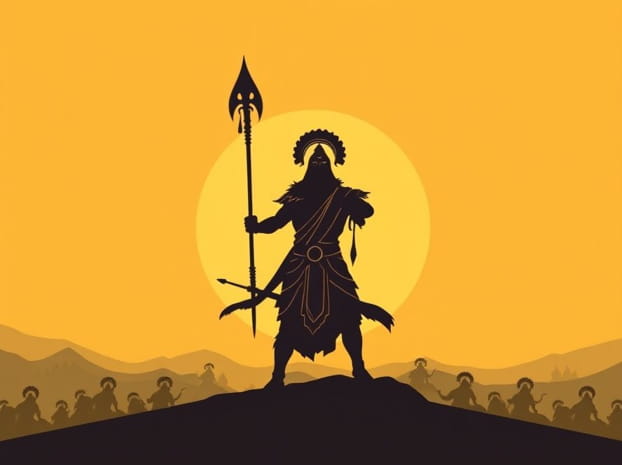
Greatest Warrior In Mahabharata
The Mahabharata, one of the greatest epics in Indian literature, is filled with stories of heroism, strategy, and valor, making the question of who was the greatest warrior in the Mahabharata a subject of fascination and debate. This epic chronicles the legendary war between the Pandavas and the Kauravas, showcasing a range of extraordinary fighters whose skills, knowledge of weapons, and adherence to dharma defined their reputations. The warriors in the Mahabharata are celebrated not only for their martial abilities but also for their courage, wisdom, and ethical choices on the battlefield. Analyzing the greatest warrior requires examining key figures, their achievements, and their contributions to the outcome of the epic war, providing a deeper understanding of heroism and valor in the Mahabharata.
Arjuna The Peerless Archer
Arjuna, one of the five Pandava brothers, is often regarded as the greatest warrior in the Mahabharata. Renowned for his skill with the bow and arrow, Arjuna possessed the ability to execute complex and deadly strategies in battle. Trained by the legendary guru Dronacharya, he mastered a variety of weapons, including the bow Gandiva, which was bestowed upon him by the gods. Arjuna’s expertise in archery, combined with his tactical intelligence and unwavering focus, made him a formidable opponent in the Kurukshetra war. He played a pivotal role in the Pandava victories and is remembered for his courage, dedication, and commitment to dharma, highlighting why he is frequently celebrated as the greatest warrior in the epic.
Key Achievements of Arjuna
- Defeated formidable Kaurava warriors, including Karna and Jayadratha, in critical battles.
- Participated in numerous duels and displayed unparalleled precision in archery.
- Played a crucial role in the victory of the Pandavas at Kurukshetra, often turning the tide of battle.
- Received divine guidance from Krishna, who served as his charioteer and strategist.
- Excelled in both individual combat and large-scale warfare, demonstrating versatility and bravery.
Karna The Invincible Warrior
Karna, born to Kunti and the sun god Surya, is another contender for the title of greatest warrior in the Mahabharata. Known as the Anga-putra” or son of the Anga kingdom, Karna was raised in humble circumstances but rose to become one of the most skilled and loyal fighters in the epic. Renowned for his mastery of the bow and his adherence to principles of loyalty and honor, Karna was a key ally of the Kauravas and a formidable adversary for the Pandavas. Despite facing social challenges and personal hardships, Karna’s skill, courage, and dedication earned him a lasting reputation as an invincible warrior whose abilities rivaled even Arjuna.
Notable Feats of Karna
- Mastery of celestial weapons, including the powerful Brahmastra, gifted by his teachers.
- Defeated many prominent Pandava warriors, showcasing his exceptional combat skills.
- Maintained unwavering loyalty to Duryodhana, highlighting his ethical and personal code.
- Excelled in both strategy and duels, combining intelligence with physical prowess.
- Faced adversity with courage, fighting bravely despite curses and challenges that limited his potential.
Bhishma The Grandfather and Mentor
Bhishma, the grand patriarch of the Kuru dynasty, is also considered one of the greatest warriors in the Mahabharata. Known for his vow of lifelong celibacy and his unmatched knowledge of warfare, Bhishma was a formidable leader and fighter. His mastery over a wide range of weapons, combined with his wisdom and moral authority, made him a central figure in both the Pandava and Kaurava camps. Bhishma’s ability to inspire troops, defend strategic positions, and maintain ethical conduct on the battlefield contributed to his reputation as a legendary warrior whose presence alone influenced the course of the war.
Major Contributions of Bhishma
- Protected the Kaurava kingdom for decades, demonstrating skill and loyalty.
- Led Kaurava forces during the early stages of the Kurukshetra war with strategic brilliance.
- Exhibited unparalleled mastery of archery, spear combat, and battlefield tactics.
- Maintained moral authority, serving as a mentor and advisor to both Pandavas and Kauravas.
- Accepted his fate with dignity, fighting until his death, highlighting his courage and honor.
Comparing the Greatest Warriors
Determining the greatest warrior in the Mahabharata involves evaluating skill, valor, achievements, and adherence to dharma. Arjuna is often recognized for his unmatched precision, divine guidance, and pivotal role in securing Pandava victories. Karna’s resilience, loyalty, and mastery of celestial weapons make him a close contender, embodying the ideals of courage under adversity. Bhishma, with his wisdom, experience, and moral authority, represents the pinnacle of strategic and ethical warfare. Each warrior contributed uniquely to the narrative, emphasizing different aspects of heroism, from skill and courage to loyalty and ethical conduct.
Factors That Define Greatness
- Mastery of weapons and combat techniques.
- Courage and composure under extreme circumstances.
- Strategic thinking and battlefield intelligence.
- Loyalty, honor, and adherence to dharma.
- Impact on the outcome of the war and influence on other warriors.
Legacy of the Greatest Warrior
The legacy of the greatest warrior in the Mahabharata extends beyond their individual feats on the battlefield. Arjuna, Karna, and Bhishma are remembered not only for their martial prowess but also for their roles in shaping the moral and philosophical dimensions of the epic. Their stories have inspired generations, teaching lessons about courage, duty, loyalty, and the ethical complexities of war. In Indian culture, these warriors are celebrated in literature, art, and religious traditions, symbolizing the enduring values of heroism, strategy, and righteousness that the Mahabharata seeks to convey.
Modern Interpretations
Today, scholars and enthusiasts continue to analyze and debate the greatest warrior in the Mahabharata. Interpretations vary based on perspective, emphasizing skill, divine favor, personal struggle, or moral character. Arjuna is often highlighted for his heroism and divine support, Karna for his resilience and loyalty, and Bhishma for his wisdom and ethical conduct. These discussions not only enrich our understanding of the epic but also offer insights into the timeless appeal of the Mahabharata’s characters and the enduring fascination with heroic ideals.
The question of the greatest warrior in the Mahabharata does not have a single definitive answer, as each contender Arjuna, Karna, and Bhishma embodies unique qualities that define heroism in different ways. Arjuna’s skill, precision, and divine guidance, Karna’s loyalty and mastery under adversity, and Bhishma’s wisdom and moral authority collectively illustrate the diverse dimensions of martial greatness. Their stories continue to resonate, inspiring readers with lessons of courage, strategy, and ethical responsibility. Ultimately, the Mahabharata celebrates the multifaceted nature of heroism, reminding us that greatness lies not only in victory but also in character, dedication, and the pursuit of dharma.