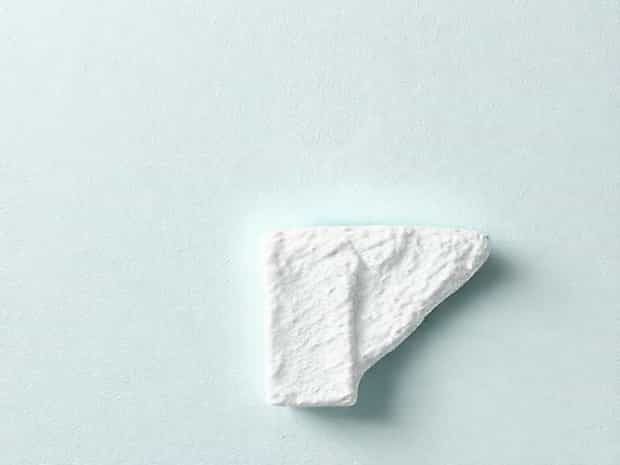
Difference Between Pop Punning And Gypsum Plaster
In the world of construction and interior finishing, choosing the right material for walls and ceilings is crucial for both aesthetic appeal and structural performance. Among the commonly used materials, POP punning and gypsum plaster often come up, and while they may appear similar at first glance, they serve different purposes and have distinct properties. Understanding the differences between POP punning and gypsum plaster is essential for homeowners, builders, and interior designers to make informed decisions. This topic explores the composition, application, advantages, disadvantages, and best uses of each material in detail, highlighting why selecting the appropriate option is critical for long-term results.
Understanding POP Punning
POP punning, also known as Plaster of Paris punning, is a thin layer of plaster applied over brick, concrete, or masonry surfaces to create a smooth finish. Its primary purpose is to prepare the wall for painting or further decoration. POP punning is generally very thin, usually ranging between 2 mm to 4 mm in thickness, and is valued for its quick setting properties. The material is derived from Plaster of Paris, which is produced by heating gypsum to around 150°C to remove water content, resulting in a fine powder that can be mixed with water to form a workable paste.
Key Features of POP Punning
- Provides a smooth, even surface for painting.
- Thin application layer, usually 2-4 mm.
- Quick setting, typically within 10-15 minutes after mixing with water.
- Lightweight and easy to apply.
- Primarily used for finishing, not structural purposes.
Advantages of POP Punning
POP punning offers several benefits in construction and interior finishing. It provides a smooth surface that enhances the aesthetic appeal of walls, making painting more effective and visually pleasing. Its quick setting time allows for faster work progress, which is particularly advantageous in large-scale projects. Additionally, POP punning is lightweight, reducing the load on walls and ceilings.
Limitations of POP Punning
Despite its advantages, POP punning has limitations. It is not suitable for structural applications, as it is too thin and lacks strength. Over time, it may develop cracks if the underlying wall experiences movement or moisture ingress. POP punning is also sensitive to water, so it should not be applied in damp areas or exposed to excessive moisture.
Understanding Gypsum Plaster
Gypsum plaster is a building material used for coating walls and ceilings to create a smooth or decorative finish. Unlike POP punning, gypsum plaster is usually applied in thicker layers, ranging from 6 mm to 20 mm, depending on the application. Gypsum plaster is made from natural gypsum rock or synthetic gypsum and contains additives that improve workability, setting time, and durability. Gypsum plaster not only provides a smooth surface for painting but also contributes to soundproofing, fire resistance, and thermal insulation.
Key Features of Gypsum Plaster
- Applied in thicker layers, typically 6-20 mm.
- Provides both finishing and moderate structural support.
- Fire-resistant and thermally insulating.
- Can be used for decorative moldings and ceiling designs.
- Slower setting time compared to POP punning, allowing more working time.
Advantages of Gypsum Plaster
Gypsum plaster is valued for its versatility and durability. It provides excellent fire resistance and helps maintain thermal comfort in buildings. Its thicker application allows for better sound insulation, making it suitable for residential and commercial spaces. Gypsum plaster also supports elaborate decorative work, such as cornices, false ceilings, and wall moldings. Moreover, it is less prone to cracking than thin POP layers when applied correctly.
Limitations of Gypsum Plaster
Gypsum plaster requires skilled application and proper curing to avoid cracks and uneven surfaces. It is heavier than POP punning, which may affect certain structural considerations. Additionally, like POP, it is sensitive to moisture and should not be used in areas prone to water exposure without proper waterproofing measures.
Differences Between POP Punning and Gypsum Plaster
While POP punning and gypsum plaster may seem similar as finishing materials, several key differences set them apart. Understanding these differences helps in selecting the right material for specific construction needs.
Application Thickness
POP punning is applied in a very thin layer of 2-4 mm primarily for creating smooth surfaces, whereas gypsum plaster is applied in thicker layers of 6-20 mm and can support decorative and functional applications.
Purpose
POP punning mainly serves as a base layer for painting and decoration. Gypsum plaster, on the other hand, serves dual purposes providing a smooth finish and contributing to fire resistance, thermal insulation, and soundproofing.
Setting Time
POP punning sets quickly, typically within 10-15 minutes, allowing for fast application. Gypsum plaster has a slower setting time, which gives more working time but may extend project timelines.
Durability and Strength
Gypsum plaster, due to its thicker application and additives, offers better durability and is less prone to cracking. POP punning is more fragile and may develop cracks if the wall beneath shifts or absorbs moisture.
Suitability for Decorative Work
Gypsum plaster is ideal for elaborate decorative elements like false ceilings, cornices, and moldings due to its workability and thickness. POP punning is generally not suitable for such decorative purposes as it is too thin.
Fire and Thermal Properties
Gypsum plaster provides fire resistance and thermal insulation, enhancing building safety and comfort. POP punning does not offer these properties and is primarily focused on surface finish.
Choosing the Right Material
The choice between POP punning and gypsum plaster depends on the specific requirements of a project. For walls and ceilings that need a smooth, quick-finish surface for painting, POP punning is suitable. For applications requiring additional fire resistance, thermal or acoustic benefits, or decorative work, gypsum plaster is a better option. Budget considerations, project timeline, and skill availability also influence the choice.
Practical Recommendations
- Use POP punning for thin finishing layers on walls and ceilings for quick painting preparation.
- Choose gypsum plaster for areas requiring fire resistance, insulation, or elaborate decorative designs.
- Ensure proper curing and moisture control for both materials to prevent cracking.
- Consult professionals to assess wall conditions, desired aesthetics, and functional requirements.
- Consider combining both materials if necessary POP punning over gypsum plaster for a smooth, fast finish.
Understanding the difference between POP punning and gypsum plaster is essential for making informed decisions in construction and interior finishing. POP punning provides a thin, smooth surface ideal for painting, while gypsum plaster offers thicker application, durability, decorative potential, and functional benefits such as fire resistance and insulation. Choosing the appropriate material depends on project requirements, aesthetic preferences, and performance considerations. By evaluating the specific needs of walls and ceilings, builders, homeowners, and designers can achieve optimal results while ensuring longevity and quality in construction finishes.