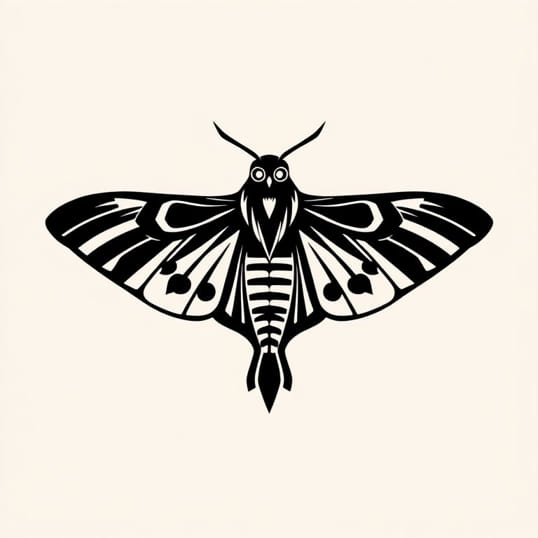
Death Head Hawk Moth
The Death’s-head hawk moth is one of the most intriguing and mysterious insects in the world. Known for the distinctive skull-like marking on its thorax, this moth has captured human imagination for centuries, appearing in folklore, art, and even modern popular culture. Its unusual name and eerie reputation often overshadow its natural beauty and ecological role. Despite its somewhat frightening appearance, the Death’s-head hawk moth is a fascinating species that reveals much about the wonders of nature. Learning about its behavior, life cycle, and cultural significance helps us appreciate why this moth continues to hold such a powerful presence in both science and storytelling.
Origins and Classification
The Death’s-head hawk moth belongs to the genusAcherontia, which includes three species. These are found in parts of Europe, Asia, and Africa. The most well-known isAcherontia atropos, which is widespread in Europe and Africa. The name Death’s-head comes from the natural pattern on the thorax that resembles a human skull. This unique marking sets it apart from other moths and is the reason behind its haunting reputation.
Species in the Genus
- Acherontia atroposCommon in Europe and Africa, often called the true Death’s-head hawk moth.
- Acherontia styxFound in Asia, especially India and Southeast Asia.
- Acherontia lachesisDistributed across parts of Asia, including China and Thailand.
Physical Characteristics
The Death’s-head hawk moth is large and striking in appearance. Its wingspan can reach up to 13 centimeters, making it one of the largest moths in its range. The forewings are dark brown with intricate patterns, while the hindwings are yellow with dark bands. The most famous feature is the pale, skull-shaped marking on the thorax, which gives it a ghostly appearance. Another unusual trait is its ability to produce a squeaking sound when threatened, which is rare among moths.
Key Features
- Distinctive skull-like pattern on the thorax.
- Large wingspan between 9 and 13 centimeters.
- Dark patterned forewings and yellow-banded hindwings.
- Ability to squeak when disturbed.
Life Cycle of the Death’s-head Hawk Moth
The life cycle of this moth follows the typical stages of metamorphosis egg, larva, pupa, and adult. Each stage reveals fascinating characteristics that make this species remarkable.
Egg Stage
Female moths lay their eggs on host plants, most often species from the potato family (Solanaceae). These eggs are small, spherical, and usually deposited on the underside of leaves.
Caterpillar Stage
The larval stage is especially striking. Caterpillars of the Death’s-head hawk moth can grow up to 12 centimeters in length. They come in vibrant colors such as yellow, green, or brown, with diagonal stripes along the body. At the rear, they have a curved, horn-like structure that adds to their unusual appearance. These caterpillars feed voraciously on leaves and are known for their size and strength.
Pupal Stage
Once fully grown, the caterpillar burrows into the soil to pupate. This underground stage protects the insect while it transforms into an adult moth. The pupal case is brown and smooth, allowing the moth to emerge successfully when development is complete.
Adult Stage
The adult moth is nocturnal and typically active during warm nights. Unlike many other moths, the Death’s-head hawk moth is a strong flier, capable of traveling long distances. Its mysterious appearance and unusual behavior make it stand out among other nocturnal insects.
Feeding Habits
The Death’s-head hawk moth has unique feeding habits. While the larvae feed on leaves of host plants, the adults are known for feeding on honey. They have a specially adapted proboscis that allows them to raid beehives, piercing the wax cells to steal honey. Surprisingly, these moths are sometimes able to avoid detection by producing sounds that mimic the buzzing of bees. This clever adaptation allows them to feed without being attacked by guard bees.
Habitat and Distribution
These moths inhabit diverse regions depending on the species.Acherontia atroposis commonly found across Europe and Africa, especially in warmer areas.Acherontia styxandAcherontia lachesisare spread across Asia, from India to Southeast Asia and parts of China. They prefer warm climates and are typically seen during the summer and autumn months.
Cultural Significance and Symbolism
Few insects have inspired as much cultural fascination as the Death’s-head hawk moth. Throughout history, its skull-shaped marking has been interpreted as a symbol of death, misfortune, or the supernatural. In European folklore, sightings of the moth were often linked to bad omens. Its eerie squeaking further reinforced its association with dark forces. Despite these superstitions, the moth is harmless and plays an important role in ecosystems as a pollinator and part of the food chain.
Appearances in Popular Culture
- Literature and ArtArtists and writers have long used the moth as a symbol of mystery and mortality.
- FilmsIt became especially famous through appearances in movies, where its image has been used to create an unsettling atmosphere.
- FolkloreIn rural traditions, the moth was sometimes feared, though it was simply a nocturnal visitor attracted to light.
Conservation and Threats
Although not considered endangered, the Death’s-head hawk moth faces threats like many other insect species. Habitat loss due to urbanization and agricultural practices reduces the availability of host plants for larvae. Pesticide use also affects their survival, particularly during the caterpillar stage. Climate change may influence their migratory patterns and distribution. Conservation efforts focusing on biodiversity protection indirectly support the survival of this species.
Interesting Facts
- The moth’s squeak is produced by forcing air out of its pharynx, a trait unique among moths.
- Its large size and distinct markings make it a favorite subject for collectors and photographers.
- Despite its reputation, it is completely harmless to humans.
- In some regions, it is considered a symbol of transformation rather than doom.
The Death’s-head hawk moth is more than just an insect with a frightening appearance. It is a species with remarkable adaptations, from its ability to squeak to its daring raids on beehives. Its life cycle showcases the beauty of metamorphosis, while its cultural symbolism demonstrates the power of nature to inspire human imagination. Understanding the Death’s-head hawk moth helps dispel myths and reveals its true place as a fascinating and harmless creature in the natural world. By appreciating this moth, we gain not only insight into insect life but also a deeper respect for the complexity of nature itself.