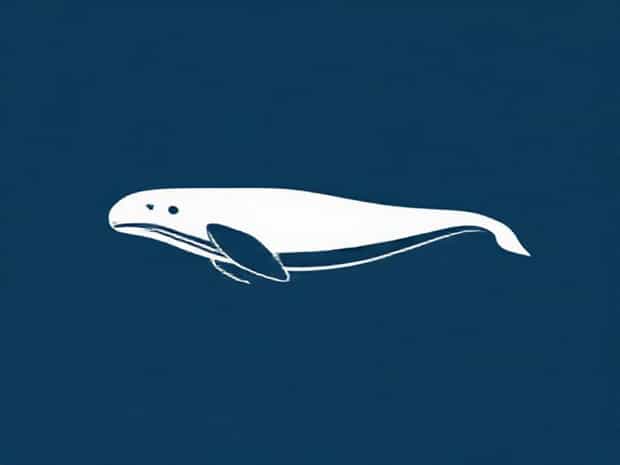
Marine Mammals With Blubber
Marine mammals with blubber are fascinating creatures uniquely adapted to survive in aquatic environments. Blubber, a thick layer of fat beneath the skin, provides insulation, energy storage, and buoyancy, making it essential for animals living in cold or variable marine climates. Species such as whales, seals, sea lions, and walruses rely on this specialized adaptation to maintain body temperature, sustain long migrations, and thrive in challenging ocean ecosystems. Understanding the role of blubber in marine mammals not only highlights their evolutionary success but also underscores the importance of conserving these species in the face of environmental changes and human impacts.
What is Blubber?
Blubber is a dense, fatty tissue located under the skin of many marine mammals. It consists primarily of adipose tissue interlaced with connective fibers and blood vessels, giving it a combination of strength and flexibility. Unlike typical body fat in terrestrial mammals, blubber serves multiple critical functions beyond energy storage. It acts as thermal insulation in cold waters, protects vital organs from injury, and provides streamlined buoyancy that helps marine mammals swim efficiently over long distances.
Functions of Blubber
- InsulationBlubber minimizes heat loss in cold water, allowing marine mammals to maintain a stable core temperature even in icy environments.
- Energy StorageDuring periods of food scarcity, blubber serves as a crucial energy reserve, particularly for migratory species or those that fast during breeding or molting seasons.
- BuoyancyThe density of blubber helps marine mammals float and conserve energy while swimming, contributing to efficient movement through water.
- ProtectionThe thick layer of fat cushions internal organs and reduces the impact of predators, collisions, or environmental hazards.
Marine Mammals with Blubber
Blubber is a defining characteristic of many marine mammals, including cetaceans, pinnipeds, and sirenians. Each group has adapted blubber to meet its unique lifestyle and environmental needs. The thickness, composition, and distribution of blubber vary by species, age, and season, reflecting their specific ecological strategies.
Whales and Dolphins (Cetaceans)
Whales and dolphins, members of the cetacean family, are among the most well-known marine mammals with blubber. Baleen whales, such as humpback whales and blue whales, have particularly thick blubber layers that can reach up to 12 inches in some species. Toothed whales, including orcas and sperm whales, also rely on blubber for insulation and energy storage during long migrations. In addition to keeping these massive animals warm, blubber aids in buoyancy and provides a streamlined shape for efficient swimming.
Seals, Sea Lions, and Walruses (Pinnipeds)
Pinnipeds, which include seals, sea lions, and walruses, also possess significant layers of blubber. In these animals, blubber serves a dual purpose of insulation and energy storage, especially during fasting periods when they haul out on ice or land to breed and molt. For instance, elephant seals can fast for months while their pups are nursing, relying heavily on stored blubber. Walruses have particularly thick blubber that protects them from cold Arctic waters and provides cushioning when resting on ice floes.
Manatees and Dugongs (Sirenians)
Sirenians, such as manatees and dugongs, have adapted blubber differently from cetaceans and pinnipeds. Their blubber is generally thinner but still essential for maintaining body heat in subtropical and tropical waters. Sirenians are slow-moving herbivorous mammals, and blubber helps them float and conserve energy while grazing on aquatic vegetation. In addition to insulation, the fat layer stores nutrients that can sustain them when food sources are scarce.
Adaptations and Seasonal Changes
Marine mammals often undergo seasonal changes in blubber thickness to adapt to environmental conditions and life stages. For example, many Arctic and Antarctic species develop thicker blubber during winter to cope with freezing temperatures and thin it during summer months when food is abundant and water temperatures rise. These adaptations help animals survive extreme climates, reproduce successfully, and migrate over long distances without depleting energy reserves.
Age and Blubber Distribution
Blubber distribution varies depending on age, sex, and reproductive status. Juvenile marine mammals typically have thinner blubber layers that gradually thicken as they mature. Female mammals, particularly those nursing offspring, often accumulate additional fat reserves to support lactation. Males may also develop extra blubber during certain seasons to maintain energy during mating or long migrations. This dynamic distribution ensures that each individual can meet its specific physiological and ecological demands.
Ecological Importance of Blubber
Blubber plays a vital role in marine ecosystems by influencing the survival and behavior of marine mammals. Animals with sufficient blubber can withstand harsh environmental conditions, hunt efficiently, and maintain healthy reproductive cycles. Blubber also impacts predator-prey interactions, as well-fed marine mammals are better able to evade predators or compete for food. Furthermore, blubber serves as an energy source that can affect migration patterns, population dynamics, and overall ecosystem stability.
Human Interactions and Conservation
Humans have historically utilized marine mammal blubber for food, oil, and other products. While modern practices are largely regulated to protect species, overhunting and environmental degradation have impacted some populations. Climate change, pollution, and habitat loss threaten the availability of food and suitable habitats, indirectly affecting blubber accumulation and overall health. Conservation efforts focus on protecting critical habitats, reducing human disturbance, and ensuring sustainable populations for future generations.
Health and Research Insights
Studying blubber provides valuable insights into marine mammal health, diet, and ecological status. Scientists analyze blubber samples to understand nutrient composition, contaminant levels, and energy reserves. These studies help assess the impact of environmental stressors, climate change, and human activity on marine mammal populations. Additionally, research on blubber metabolism and insulation mechanisms has inspired technological innovations in materials science, thermal insulation, and bioengineering.
Monitoring and Preservation
- Researchers monitor blubber thickness using non-invasive techniques such as ultrasound or photogrammetry.
- Blubber analysis provides information on diet, migration patterns, and reproductive status.
- Understanding blubber dynamics helps conservationists develop strategies to protect vulnerable species from climate and human-induced threats.
Marine mammals with blubber are remarkable examples of evolutionary adaptation to aquatic life. Blubber provides insulation, energy storage, buoyancy, and protection, allowing species such as whales, seals, and manatees to thrive in diverse and often extreme environments. Seasonal changes, age-related variations, and ecological factors all influence blubber thickness and function. Understanding these adaptations not only highlights the complexity of marine mammal biology but also underscores the need for conservation efforts to preserve their habitats and ensure the survival of these extraordinary creatures. By studying and protecting marine mammals with blubber, humans can contribute to the health of ocean ecosystems and appreciate the incredible ways life has evolved to meet the challenges of marine existence.