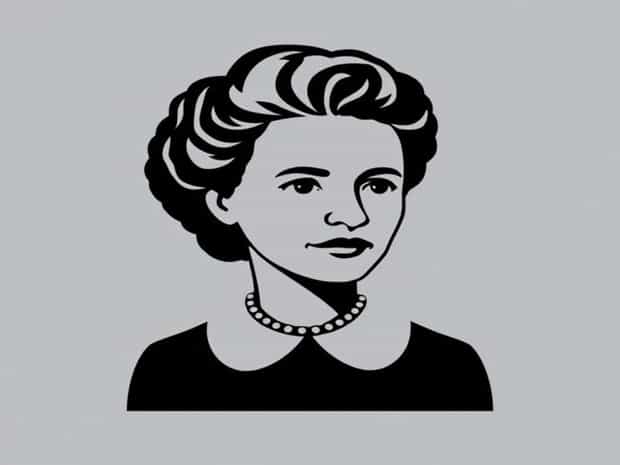
Marie Curie Marie Curie
Marie Curie remains one of the most influential figures in the history of science, known not only for her groundbreaking research but also for her relentless dedication to expanding human knowledge. Born in Warsaw, Poland in 1867, Curie’s scientific journey led her to Paris, where she overcame numerous obstacles to pursue higher education and research in physics and chemistry. Her work laid the foundation for the study of radioactivity, a term she herself coined, and changed the way scientists understood atomic structure and radioactive elements. Her discoveries have had a lasting impact on medicine, industry, and nuclear physics, making her a symbol of perseverance, intelligence, and scientific innovation.
Early Life and Education
Marie Curie, born Maria Skłodowska, grew up in a Poland under Russian occupation, where opportunities for women in higher education were extremely limited. Despite these challenges, she excelled academically, showing a particular talent for mathematics and science from a young age. Her early education laid the groundwork for her later achievements, as she cultivated a curiosity about the natural world and a determination to pursue scientific research even in the face of social and political constraints.
Move to Paris and Higher Studies
In 1891, Curie moved to Paris to attend the Sorbonne, where she studied physics and mathematics. Her academic rigor and intellectual curiosity distinguished her among her peers, despite facing financial difficulties and the challenges of adapting to a new culture. During her time in Paris, Curie developed the knowledge and skills that would later allow her to perform pioneering experiments in radioactivity. She earned her degrees with distinction, positioning herself for a research career that would ultimately make history.
Discoveries and Scientific Achievements
Marie Curie’s scientific achievements are remarkable not only for their depth but also for their long-lasting influence. Working alongside her husband, Pierre Curie, she conducted experiments that led to the discovery of two new radioactive elements polonium and radium. Her meticulous research involved isolating these elements from tons of uranium ore, demonstrating extraordinary patience and precision. The discovery of polonium and radium not only expanded the periodic table but also introduced new concepts in chemistry and physics, particularly in the understanding of radioactive decay.
Coining the Term Radioactivity
Curie’s research was instrumental in defining the concept of radioactivity. By observing the spontaneous emission of energy from uranium and other elements, she provided crucial evidence that atoms could release energy without external influence. This insight revolutionized the study of atomic physics and opened new pathways for research in nuclear reactions, medical treatments, and the understanding of the fundamental nature of matter. Her work earned her worldwide recognition, culminating in her Nobel Prizes in both Physics and Chemistry, a historic achievement for any scientist, particularly a woman in her era.
Nobel Prizes and Recognition
Marie Curie received the Nobel Prize in Physics in 1903, shared with Pierre Curie and Henri Becquerel, for their work on radioactivity. She later received the Nobel Prize in Chemistry in 1911 for her discovery of polonium and radium, making her the first person to receive Nobel Prizes in two different scientific fields. These awards recognized not only her discoveries but also her methodological rigor and pioneering spirit. Curie’s achievements broke barriers for women in science and set new standards for research excellence.
Impact on Medicine and Industry
The practical applications of Marie Curie’s discoveries have been extensive, particularly in medicine and industry. Radium, one of her key discoveries, became a central component in early cancer treatment through radiotherapy. The ability of radioactive elements to destroy harmful cells transformed oncology, providing new hope for patients with previously untreatable conditions. Beyond medicine, her work influenced the development of nuclear energy, radiation measurement tools, and industrial applications that rely on controlled radioactivity.
Development of Radiological Services
During World War I, Curie recognized the potential of X-ray technology for medical diagnostics on the battlefield. She developed mobile radiological units and trained medical staff in their operation, saving countless lives. Her efforts demonstrated how scientific research could have immediate, practical benefits for society, extending beyond the laboratory to meet urgent human needs. This combination of research and applied science cemented her legacy as a scientist deeply committed to public welfare.
Challenges and Perseverance
Marie Curie’s career was marked by both extraordinary achievement and significant challenges. As a woman in a male-dominated field, she faced skepticism, gender discrimination, and institutional barriers. Additionally, her work with radioactive materials exposed her to high levels of radiation, which was not well understood at the time. Despite these obstacles, Curie persisted, maintaining a rigorous focus on research and education. Her resilience has inspired generations of scientists, particularly women pursuing careers in STEM fields.
Legacy and Influence
Marie Curie’s legacy extends beyond her scientific discoveries. She founded the Radium Institute in Paris, which became a center for research and medical treatment, training numerous scientists and contributing to the advancement of nuclear science. Her life and work continue to inspire educational programs, research initiatives, and public understanding of science. She exemplifies the combination of intellectual curiosity, methodological rigor, and ethical responsibility that defines truly transformative scientific achievement.
Marie Curie’s contributions to science, medicine, and society remain unparalleled. Her discoveries of polonium and radium, her coining of the term radioactivity, and her pioneering research methods have had lasting impacts on physics, chemistry, and medicine. Through her resilience, dedication, and extraordinary intellect, Curie overcame societal barriers to become a model for scientists worldwide. Her legacy continues to influence modern research, inspiring new generations to pursue knowledge, innovation, and service to humanity.