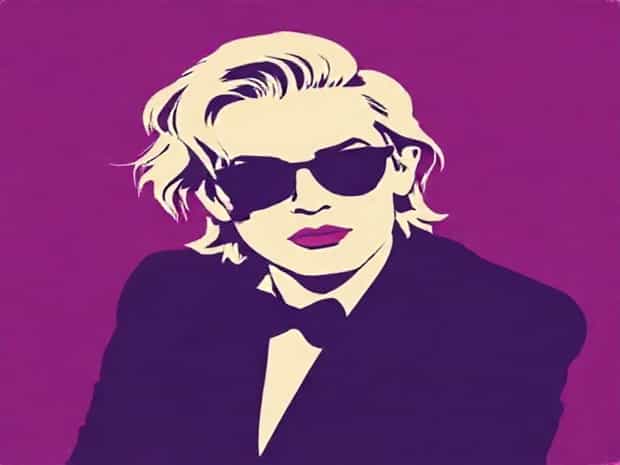
Ladies And Gentlemen Andy Warhol
In 1975, Andy Warhol created one of his most fascinating and socially charged art series titled Ladies and Gentlemen. This body of work featured striking portraits of Black and Latino drag queens and transgender women living in New York City. Unlike some of his more commercialized works, this series stands out for its raw exploration of identity, gender, and performance. The paintings combine Warhol’s signature Pop Art style with bold colors, silkscreen techniques, and layered brushstrokes, resulting in an artistic commentary that continues to inspire discussions about representation and visibility in art. Understanding the series reveals not only Warhol’s artistic innovation but also his relationship with marginalized communities in the 1970s.
The Origins of Ladies and Gentlemen
The story of how Ladies and Gentlemen came to life begins with an art dealer’s commission. The Italian gallerist Luciano Anselmino approached Warhol to produce portraits of drag performers. Instead of focusing on mainstream celebrities as he often did, Warhol turned his attention to the underground world of drag culture. In 1974, Warhol and his team photographed around 14 models, many of whom were performers from New York clubs such as The Gilded Grape. These photographs served as the foundation for the 268 paintings, 65 drawings, and hundreds of prints that made up the Ladies and Gentlemen series.
The Sitters and Their Stories
While Andy Warhol became the recognizable name behind the artwork, the individuals who posed for him played an equally important role in shaping the series. The sitters were primarily Black and Latino drag queens and transgender women. Many of their names have since become known, such as Marsha P. Johnson, a prominent LGBTQ+ activist who played a pivotal role in the Stonewall uprising. Others remain less documented, adding layers of mystery to the series.
The portraits were not merely artistic studies; they became visual records of lives lived at the intersections of race, gender, and performance. These sitters brought authenticity to Warhol’s project, and their bold presence challenged the conventional standards of beauty and identity in art.
Warhol’s Technique and Style
Warhol employed his signature silkscreen method, layering vibrant colors over stark black outlines. What made Ladies and Gentlemen different from some of his other work was the experimental use of hand-painted brushstrokes that added depth and texture. This blending of mechanical reproduction with painterly touches mirrored the tension between performance and authenticity in drag culture.
Bold Colors and Expressive Lines
The use of saturated hues electric blues, fiery oranges, neon pinks, and deep purples gave the portraits a theatrical presence. Warhol exaggerated features like lips, eyes, and wigs, amplifying the performative aspect of drag while also capturing the individuality of each sitter.
Repetition and Variation
Warhol’s habit of repeating images in multiple variations emphasized both the individuality and universality of his subjects. Each sitter might appear in several portraits, with colors and brushstrokes shifting, creating a sense of both consistency and transformation. This repetition reflected the performative cycles of drag itself.
Social and Cultural Context
In the mid-1970s, drag queens and transgender women lived largely on the margins of society, facing discrimination, poverty, and violence. By choosing these subjects, Warhol elevated individuals often excluded from mainstream art and media. At the same time, questions remain about whether his approach was exploitative or celebratory. Warhol famously paid the sitters modest amounts, raising debates about power dynamics between artist and subject.
Despite these complexities, Ladies and Gentlemen positioned drag culture in the realm of high art, forcing audiences many of whom were unfamiliar with or dismissive of drag performers to confront issues of gender identity and representation.
Critical Reception
When first exhibited, Ladies and Gentlemen received mixed reactions. Some critics praised Warhol for moving beyond commercial celebrity portraits and engaging with marginalized communities. Others accused him of exploiting his sitters by profiting from their images without fully acknowledging their lives and struggles. These debates continue today, but they also highlight the enduring significance of the series as a cultural conversation starter.
Connection to Warhol’s Broader Work
Ladies and Gentlemen fits within Warhol’s larger exploration of fame, identity, and visibility. Just as his portraits of Marilyn Monroe or Elvis Presley examined the construction of celebrity, these works explored how drag performers created personas that blurred the lines between performance and reality. Unlike Monroe or Presley, however, the drag queens in this series were not household names. Warhol’s choice of subjects underscored his fascination with subcultures and his ability to challenge the boundaries of Pop Art.
The Role of Photography
The foundation of Ladies and Gentlemen was photographic. Warhol and his assistant, Bob Colacello, took hundreds of Polaroid images of the sitters. These photographs served as templates for the silkscreens, capturing candid moments that combined glamour with vulnerability. The reliance on photography emphasized Warhol’s belief in the mechanical reproduction of images while also capturing the immediacy of drag performance.
Impact on LGBTQ+ Representation
One of the most lasting contributions of Ladies and Gentlemen is its role in LGBTQ+ art history. At a time when queer identities were marginalized, Warhol placed drag queens and transgender women onto the same artistic stage as movie stars and politicians. The visibility offered by this series laid groundwork for future discussions on representation and identity in contemporary art.
- It highlighted the vibrancy of drag culture in the 1970s.
- It challenged conventional ideas of gender and beauty in fine art.
- It provided a rare artistic record of performers whose lives were often undocumented.
Legacy and Influence
Today, Ladies and Gentlemen is celebrated as one of Warhol’s most socially meaningful series. Museums and galleries have revisited the works, often contextualizing them within broader narratives of LGBTQ+ history. Contemporary artists also look to the series for inspiration, drawing from its bold colors, performative energy, and cultural commentary.
Reinterpretation in Modern Culture
The rise of drag in mainstream culture, particularly through television shows and global drag performances, gives Ladies and Gentlemen renewed relevance. What was once underground has become celebrated worldwide, and Warhol’s portraits now appear as early visual testaments to drag’s artistry and resilience.
Ladies and Gentlemen by Andy Warhol stands as a landmark in both Pop Art and the history of LGBTQ+ representation. By turning his lens toward Black and Latino drag queens and transgender women, Warhol expanded the scope of his art beyond commercial celebrity culture. The series combined bold colors, silkscreen techniques, and performative energy to capture the vibrancy and complexity of its subjects. While debates about exploitation and representation continue, the legacy of this series is undeniable. It remains a powerful exploration of identity, performance, and the politics of visibility one that continues to resonate in contemporary discussions about art, culture, and society.