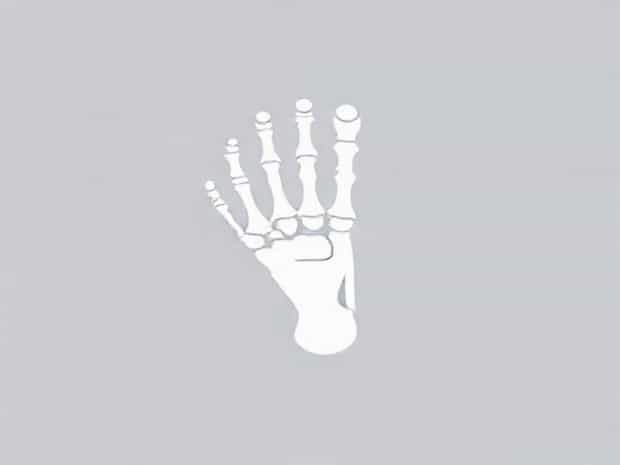
Joint Between Metatarsals And Phalanges
The human foot is a remarkable structure designed for balance, movement, and support. Among its intricate components, the joints connecting the metatarsals to the phalanges play a critical role in both mobility and stability. These joints, known as metatarsophalangeal joints, allow the toes to bend and flex, providing essential leverage during walking, running, and other weight-bearing activities. Understanding the anatomy, function, and common conditions affecting these joints can shed light on the importance of maintaining foot health and mobility.
Anatomy of the Metatarsophalangeal Joints
The metatarsophalangeal (MTP) joints are synovial joints located between the metatarsal bones of the forefoot and the proximal phalanges of the toes. Each foot contains five metatarsals, numbered one through five starting from the medial (big toe) side, and each metatarsal forms a joint with the corresponding proximal phalanx. The heads of the metatarsals are rounded and articulate with the concave base of the proximal phalanges, allowing smooth movement in multiple directions.
Structure and Supporting Ligaments
The MTP joints are supported by a combination of ligaments, tendons, and the joint capsule, which together maintain stability while permitting flexibility. Key ligaments include
- Collateral ligamentsThese are located on either side of the joint, preventing excessive lateral or medial movement.
- Plantar plateA fibrocartilaginous structure on the sole side of the joint that absorbs pressure during walking and running.
- Dorsal ligamentsThese ligaments provide support on the top of the joint, limiting hyperextension.
Additionally, the tendons of the extensor and flexor muscles cross the MTP joints, allowing controlled bending and straightening of the toes. These soft tissue structures are crucial for distributing forces during gait and maintaining overall foot alignment.
Function of the Metatarsophalangeal Joints
The MTP joints are pivotal for normal foot mechanics. During walking, the toes act as a lever, pushing the body forward in the propulsion phase of gait. The first MTP joint, associated with the big toe, is especially important, as it bears the most weight and generates the greatest force for push-off. Proper function of these joints contributes to balance, shock absorption, and efficient movement.
Movement and Range of Motion
The metatarsophalangeal joints allow for several types of movement
- FlexionBending the toes downward, essential during push-off.
- ExtensionLifting the toes upward, important for clearance during the swing phase of walking.
- Abduction and AdductionMinor side-to-side movements that help maintain balance and adjust foot positioning on uneven surfaces.
The range of motion varies by toe, with the big toe having the greatest capacity for extension and flexion. Restrictions or deformities in these joints can significantly affect walking efficiency and overall foot health.
Common Conditions Affecting the Joints Between Metatarsals and Phalanges
Due to their weight-bearing function and mobility, MTP joints are prone to several conditions that can cause pain, inflammation, or deformity. Some of the most common issues include
Bunions (Hallux Valgus)
Bunions are a deformity of the first MTP joint, where the big toe angles toward the second toe, often causing the joint to stick out prominently. This misalignment can result from genetics, ill-fitting shoes, or chronic pressure. Symptoms include swelling, redness, and pain around the joint, particularly during walking or standing for long periods.
Arthritis
Osteoarthritis can affect MTP joints, leading to the breakdown of cartilage and reduced joint space. This degeneration causes stiffness, swelling, and pain, particularly in the big toe joint. Rheumatoid arthritis can also target these joints, often affecting multiple toes simultaneously and leading to joint deformities over time.
Gout
Gout is a type of inflammatory arthritis caused by uric acid crystal deposits in the joints, commonly affecting the first MTP joint. Sudden, severe pain and swelling are hallmark symptoms. Proper management of diet, medication, and lifestyle is essential to prevent recurrent attacks and joint damage.
Hammer Toe and Claw Toe
Deformities such as hammer toe and claw toe result from imbalances in the muscles, tendons, and ligaments that cross the MTP joints. These conditions cause the toes to bend abnormally, potentially leading to corns, calluses, and discomfort while walking or wearing shoes.
Maintaining Healthy MTP Joints
Proper care of the joints between metatarsals and phalanges is crucial for long-term foot health. Preventive measures and treatment strategies include
- Supportive FootwearWearing shoes with adequate toe room, cushioning, and arch support reduces stress on MTP joints.
- Stretching and StrengtheningExercises targeting toe flexors, extensors, and intrinsic foot muscles help maintain joint flexibility and stability.
- Weight ManagementMaintaining a healthy weight minimizes excessive pressure on MTP joints.
- Orthotic DevicesCustom insoles or toe spacers can help redistribute forces and correct mild deformities.
- Medical InterventionIn cases of severe arthritis, bunions, or persistent pain, consultation with a podiatrist or orthopedic specialist may be necessary. Treatments may include anti-inflammatory medications, physical therapy, or surgical correction.
Exercises for Joint Flexibility
Simple exercises can support joint health and reduce stiffness
- Toe curlsUse a towel or small object to practice curling the toes, strengthening flexor muscles.
- Toe spreadsActively spread the toes apart to enhance abductor muscle strength and improve balance.
- Big toe stretchesGently stretch the big toe upward and downward to maintain range of motion in the first MTP joint.
The joints between metatarsals and phalanges are small yet vital structures that allow the foot to perform complex movements essential for daily activities. Understanding the anatomy, function, and potential conditions affecting these joints is crucial for maintaining mobility and preventing pain or deformity. Proper footwear, regular exercises, and awareness of early signs of problems can help preserve the health of these joints throughout life. The metatarsophalangeal joints may be easy to overlook, but their role in balance, propulsion, and overall foot function makes them indispensable for a healthy, active lifestyle.