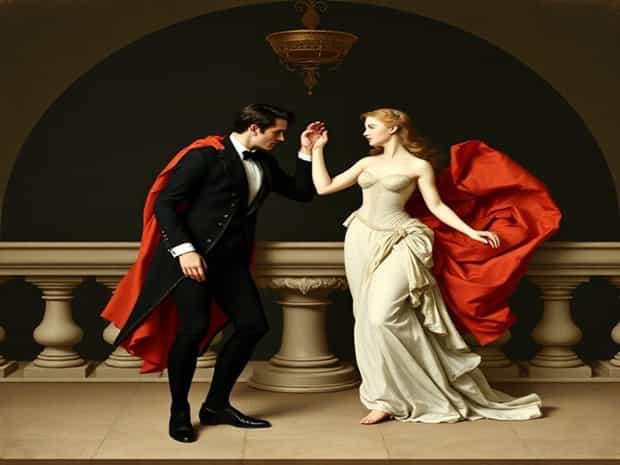
Jean Leon Gerome Pygmalion And Galatea Analysis
Jean-Léon Gérôme’s painting Pygmalion and Galatea is one of the most captivating works of the nineteenth century, blending mythological storytelling with the artist’s mastery of realism and academic style. This artwork takes inspiration from the ancient Greek myth of Pygmalion, a sculptor who falls in love with his own creation. Gérôme’s interpretation captures the very moment when the lifeless sculpture Galatea comes to life, transforming stone into flesh. Understanding this painting involves exploring the myth, the artistic techniques employed, and the broader cultural context of the time in which it was created.
The Myth of Pygmalion and Galatea
The story originates in Ovid’s Metamorphoses, where Pygmalion, disillusioned by the women around him, sculpts a statue so beautiful that he falls in love with it. He prays to Venus, the goddess of love, who grants his wish by bringing the statue to life. The myth has been retold countless times in art, literature, and later in theater and film, symbolizing themes of desire, creation, and transformation.
Gérôme’s version focuses on the exact moment of metamorphosis. Galatea’s body emerges from marble, soft and human, while Pygmalion embraces her. This decision heightens the drama and magic of the myth, emphasizing the miracle of creation and the power of love.
Visual Composition and Style
Gérôme was known for his academic approach, and this painting demonstrates his precision and attention to detail. The composition is carefully balanced, drawing the viewer’s eye to the figures of Pygmalion and Galatea at the center of the canvas. The background, though less prominent, frames the figures in a workshop setting, complete with sculpting tools and other statues.
The contrast between the warm flesh tones of Galatea and the cool whiteness of the marble creates a striking visual effect. This transition from stone to skin appears seamless, giving the impression that the transformation is unfolding right before the viewer’s eyes. Gérôme’s technical skill allows him to make the impossible appear believable.
The Symbolism Behind the Painting
The symbolism in Pygmalion and Galatea extends beyond the myth itself. It reflects broader nineteenth-century themes about the role of the artist, creativity, and the nature of beauty. Some symbolic interpretations include
- Art as CreationJust as Pygmalion brings Galatea to life, the artist brings his work to life on canvas.
- The Ideal WomanGalatea represents perfection according to Pygmalion’s imagination, echoing ideals of beauty during the period.
- TransformationThe painting embodies change, not only of marble to flesh but also of imagination into reality.
- Desire and PowerThe sculptor’s longing reveals the powerful relationship between creator and creation, blending passion with artistry.
These layers of meaning make the painting rich with interpretive possibilities and ensure its lasting significance in art history.
Gérôme’s Artistic Techniques
One of the reasons this work is celebrated lies in Gérôme’s technical mastery. His use of light, texture, and perspective demonstrates his academic training while pushing artistic boundaries. Some key techniques include
- Realistic DetailingThe folds of clothing, the textures of marble, and the delicacy of Galatea’s skin are rendered with extraordinary precision.
- Lighting EffectsGérôme highlights the transformation by directing light onto Galatea’s figure, enhancing the sense of divine intervention.
- ContrastsThe contrast between the cold, unfinished statue and the living, warm figure intensifies the drama of the moment.
These choices underscore Gérôme’s skill in blending realism with mythology, making the supernatural appear tangible.
Comparison with Other Artistic Interpretations
The myth of Pygmalion and Galatea has been a favorite subject among artists across different periods. Comparing Gérôme’s interpretation with others highlights his unique vision
- Neoclassical VersionsEarlier artists often depicted Galatea as a passive, completed figure, already transformed into flesh.
- Romantic ApproachesRomantic painters emphasized emotion and atmosphere, sometimes portraying Venus or divine light in the act of transformation.
- Gérôme’s ApproachGérôme isolates the precise instant of change, giving the viewer an intimate perspective that is both realistic and magical.
By freezing the moment of metamorphosis, Gérôme created a lasting and powerful interpretation of the myth that still fascinates audiences today.
Cultural Context of the Painting
Created in the late nineteenth century, Pygmalion and Galatea reflects broader cultural currents. During this time, there was significant interest in classical antiquity, as artists and intellectuals drew inspiration from Greek and Roman myths. At the same time, advancements in science and philosophy raised questions about the nature of life, creation, and transformation.
The painting also reflects shifting ideas about gender and the representation of women. Galatea embodies ideals of beauty shaped by male imagination, raising questions about how women were viewed in both art and society. For some viewers, the work highlights male control over female identity, while for others, it celebrates the miracle of love and transformation.
Emotional Impact on the Viewer
The emotional resonance of Gérôme’s painting lies in its ability to merge fantasy with realism. Viewers are drawn into the passion of Pygmalion’s embrace and the wonder of Galatea’s awakening. The moment feels personal, intimate, and magical, encouraging viewers to reflect on their own experiences with love, creativity, and desire.
By combining technical skill with emotional depth, Gérôme ensures that Pygmalion and Galatea continues to inspire fascination and discussion more than a century after it was painted.
Legacy and Influence
Pygmalion and Galatea remains one of Gérôme’s most recognized works and continues to be studied in art history. Its influence can be seen not only in visual art but also in literature, theater, and modern adaptations of the Pygmalion myth. The themes of creation, transformation, and idealized beauty resonate across cultures and time periods, making the painting a timeless masterpiece.
Jean-Léon Gérôme’s Pygmalion and Galatea stands as a remarkable example of nineteenth-century academic art, capturing both the technical brilliance of the artist and the enduring allure of mythological storytelling. By freezing the moment of transformation, Gérôme brings viewers into the heart of the narrative, where marble becomes flesh and imagination becomes reality. The painting continues to invite analysis for its symbolism, cultural context, and emotional impact, ensuring its place as a significant work in the history of art.