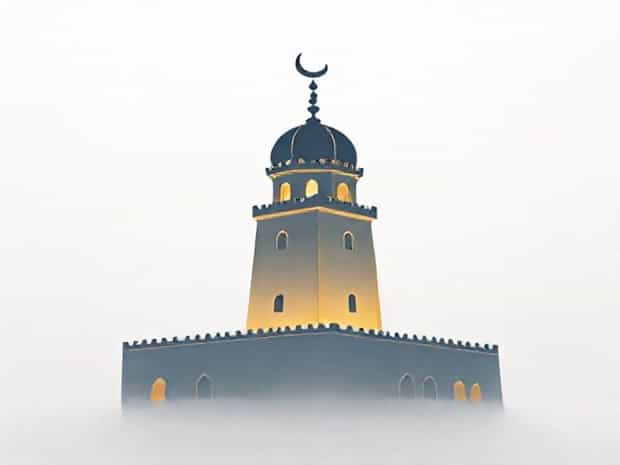
Is The Tower Of Babel In Islam
The Tower of Babel is a well-known story from the Bible that explains the origin of different languages and the scattering of people across the earth. Many readers who are familiar with the Biblical account often wonder if this story is also found in Islam. Since Islam shares some narratives with Judaism and Christianity, it is natural to ask whether the Quran or Islamic traditions mention the Tower of Babel. While the specific phrase Tower of Babel” does not appear in Islamic scripture, there are related accounts in the Quran and Islamic history that resemble aspects of the story. Exploring these similarities and differences helps us understand how Islam views the themes of arrogance, unity, and divine intervention.
The Biblical Account of the Tower of Babel
Before exploring the Islamic perspective, it is important to briefly recall the Biblical version. In the Book of Genesis, humanity spoke one language and settled in the land of Shinar. They decided to build a city with a tower that reached the heavens. The motivation was pride and a desire to “make a name” for themselves. God, seeing their arrogance, confused their language and scattered them across the earth. This story serves as a lesson about humility, human limits, and the power of God to disrupt human pride.
The Tower of Babel in Islam
Islam does not include a direct story about the Tower of Babel in the Quran. However, Islamic tradition does contain themes and figures that resemble parts of the Biblical narrative. For example, the Quran speaks of people who rebel against God, of arrogant rulers who build great structures, and of divine punishment for pride and disobedience. Because of these parallels, some scholars suggest that Islam indirectly reflects ideas connected with the Tower of Babel, even though it does not retell the story in the same way.
The Land of Babylon in the Quran
Babylon, or “Babil” in Arabic, is mentioned in the Quran. In Surah Al-Baqarah (2102), Babylon appears in connection with the story of Harut and Marut, two angels who were sent to test people with knowledge of magic. While this is not about a tower, it shows that Babylon is recognized in Islam as a place of spiritual trial and human error. The mention of Babylon connects Islamic tradition with a location also significant in the Bible.
The Story of Pharaoh and Arrogant Rulers
Another connection is the Quranic story of Pharaoh, who represents arrogance and the desire to challenge God. In Surah Al-Qasas (2838), Pharaoh commands the construction of a tall tower so that he can “reach the God of Moses.” This account mirrors the themes of the Tower of Babel, where humans attempt to build something enormous out of pride and rebellion. Although it is not the same event, the similarity in spirit suggests why some Muslims associate the Tower of Babel with Islamic teachings.
Comparing the Biblical and Islamic Narratives
When comparing the Bible and the Quran, several differences and similarities can be found
- Direct mentionThe Bible directly tells the story of the Tower of Babel, while the Quran does not have a specific story under this name.
- Theme of arroganceBoth traditions warn against pride and human attempts to rival God’s authority.
- Language confusionThe Bible explicitly states that God created many languages at Babel, but the Quran does not connect the diversity of languages to one single event.
- LocationBoth traditions recognize Babylon as a significant place in human history and spiritual struggle.
How Islamic Scholars Interpret the Connection
Islamic scholars often emphasize that while the Tower of Babel story is not in the Quran, the lessons it teaches are consistent with Islamic beliefs. The Quran repeatedly warns against arrogance, unity for the wrong purposes, and human attempts to elevate themselves above God. Some scholars interpret the Quranic story of Pharaoh’s tower as a reminder that whenever humanity builds from pride rather than humility, destruction follows.
The Role of Human Unity
In the Biblical story, unity itself was not the problem rather, it was the purpose of that unity. The people came together to exalt themselves instead of worshiping God. Islam also warns that collective efforts must align with divine guidance. The Quran speaks positively of unity when it is built on righteousness and truth, but negatively when it is based on arrogance or rebellion.
Lessons from the Tower of Babel for Muslims
Even though Islam does not narrate the Tower of Babel, Muslims can still reflect on its lessons
- Humility before GodThe story warns against pride and the desire to compete with God’s power.
- Purpose of unityWorking together is valuable, but it must serve righteous purposes.
- God’s controlHuman projects and ambitions are always subject to divine will.
- Language and diversityIslam recognizes diversity as part of God’s plan, as stated in Surah Ar-Rum (3022), which describes the differences in languages and colors as signs of God’s creation.
The Broader Context of Babylon
Babylon holds symbolic meaning in many traditions. In the Bible, it often represents human arrogance and opposition to God. In the Quran, it appears as a place of testing and a reminder of the dangers of disobedience. By mentioning Babylon in different ways, both scriptures highlight the need for humility, faith, and obedience to divine guidance.
Modern Reflections
For Muslims today, the question “Is the Tower of Babel in Islam?” opens a discussion about how different faiths tell stories with overlapping themes. It also reminds believers that while details may differ, the central message of humility, obedience, and trust in God is universal. The diversity of languages and cultures should be seen not as a punishment, but as part of God’s wisdom and plan for humanity.
The Tower of Babel is not directly mentioned in the Quran, and Islam does not preserve the story in the same form as the Bible. However, the themes of arrogance, divine authority, and human unity are deeply present in Islamic teaching. The Quran’s mention of Babylon, along with the story of Pharaoh’s tower, provides a related perspective that carries similar moral lessons. For Muslims and readers of all faiths, these narratives highlight the importance of humility before God, respect for diversity, and the dangers of prideful ambition. While the Tower of Babel itself is not an Islamic story, its message resonates strongly within Islamic belief and continues to inspire reflection on humanity’s relationship with the Creator.