Is A Crab An Echinoderm
Crabs are fascinating creatures that inhabit oceans, rivers, and even land, capturing the attention of both scientists and casual observers. Their hard exoskeletons, sideways walking, and powerful claws make them easily recognizable among marine life. One common question arises when learning about marine biology is a crab an echinoderm? Understanding the answer requires a closer look at the biology, anatomy, and classification of crabs compared to echinoderms, a group that includes sea stars, sea urchins, and sand dollars. This exploration sheds light on the differences between these two groups and the unique characteristics that define each.
Understanding Crabs
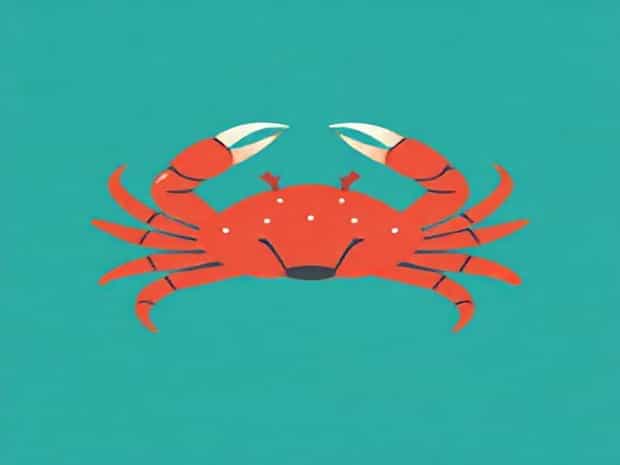
Crabs belong to the phylum Arthropoda and the class Crustacea, which makes them arthropods rather than echinoderms. They are closely related to lobsters, shrimp, and crayfish. Arthropods are characterized by their exoskeletons made of chitin, segmented bodies, and jointed appendages. Crabs typically have a broad, flat carapace that protects their body and ten legs, with the front pair modified into claws or pincers used for feeding, defense, and communication.
Crab Anatomy
The anatomy of a crab is quite different from that of an echinoderm. Crabs have a segmented body divided into a cephalothorax and an abdomen. Their nervous system is centralized with a brain and a ventral nerve cord, and they possess compound eyes on stalks for excellent vision. Crabs breathe through gills, which are protected under their carapace, and they exhibit bilateral symmetry, meaning the left and right sides of their body are mirror images. These features contrast sharply with echinoderms, which have radial symmetry and lack a centralized brain.
What Are Echinoderms?
Echinoderms belong to the phylum Echinodermata and include animals like sea stars, sea urchins, brittle stars, and sand dollars. They are exclusively marine and have unique features such as a water vascular system, tube feet, and a calcareous endoskeleton. Echinoderms are known for their radial symmetry as adults, though their larvae exhibit bilateral symmetry. Unlike crabs, echinoderms do not have an exoskeleton or jointed limbs. Instead, they rely on their water vascular system for movement, feeding, and respiration.
Key Characteristics of Echinoderms
- Radial symmetry in adults
- Endoskeleton made of calcium carbonate plates
- Water vascular system used for locomotion and feeding
- No brain or central nervous system; instead, they have a nerve ring
- Regenerative abilities, allowing them to regrow lost limbs
Comparing Crabs and Echinoderms
While both crabs and echinoderms are marine animals, their differences are fundamental. Crabs are arthropods with exoskeletons, segmented bodies, and bilateral symmetry, whereas echinoderms have internal skeletons, radial symmetry, and a unique water vascular system. Crabs have a centralized nervous system and complex eyes, allowing them to react quickly to their environment. Echinoderms, in contrast, rely on their tube feet and nerve rings for movement and sensory perception, making their behavior slower and more limited.
Symmetry Differences
One of the most noticeable differences is symmetry. Crabs have bilateral symmetry, which is advantageous for rapid movement and precise control of their claws. Echinoderms develop radial symmetry as adults, which allows them to interact with the environment in all directions, especially important for stationary or slow-moving species like sea urchins. This difference highlights how each group has evolved adaptations suited to their ecological niches.
Reproduction and Development
Crabs reproduce sexually, with females carrying eggs on their abdomens until they hatch into planktonic larvae called zoea. These larvae undergo several molts before becoming juvenile crabs. Echinoderms also reproduce sexually, with separate sexes in most species, but their fertilized eggs develop into free-swimming bilateral larvae called bipinnaria or auricularia. These larvae undergo metamorphosis into radially symmetrical adults. The differences in developmental stages further emphasize that crabs and echinoderms belong to entirely separate phyla.
Ecological Roles
Both crabs and echinoderms play important roles in their ecosystems, but in different ways. Crabs are often scavengers, feeding on dead animals, plant matter, and detritus, helping recycle nutrients in coastal and marine habitats. Some species are predators, controlling populations of smaller invertebrates. Echinoderms, on the other hand, are primarily grazers or filter feeders. Sea urchins, for example, feed on algae and help maintain balance in reef ecosystems. Sea stars are predators that feed on mollusks, playing a critical role in controlling prey populations. Despite these similarities in ecological function, their anatomical and physiological differences are profound.
Misconceptions About Crabs
Many people mistakenly think crabs are echinoderms because both groups are found in similar environments and sometimes share certain behaviors like slow movement or living on the sea floor. However, the key distinctions in anatomy, symmetry, and taxonomy clearly separate them. Crabs are arthropods, a group that includes insects, lobsters, and shrimp, while echinoderms are a separate phylum with no close arthropod relatives. Understanding these differences helps clarify the biology of marine ecosystems and avoids confusion in education and research contexts.
Interesting Facts About Crabs
- Crabs have specialized claws for defense and feeding, which echinoderms lack.
- Some crabs, like the coconut crab, can live on land for extended periods.
- Crabs molt their exoskeletons as they grow, a process called ecdysis.
- Crabs exhibit complex behaviors such as burrowing, communication, and social interactions.
- Unlike echinoderms, crabs have a well-developed circulatory system and gills for respiration.
a crab is not an echinoderm. Crabs belong to the phylum Arthropoda and the class Crustacea, featuring exoskeletons, segmented bodies, jointed limbs, and bilateral symmetry. Echinoderms, by contrast, belong to the phylum Echinodermata, with radial symmetry, endoskeletons, water vascular systems, and tube feet. While both groups share marine habitats and play crucial roles in their ecosystems, their anatomy, physiology, and evolutionary lineage are distinctly different. Understanding these differences helps deepen appreciation for marine biodiversity and the unique adaptations that allow different species to thrive in their respective environments.