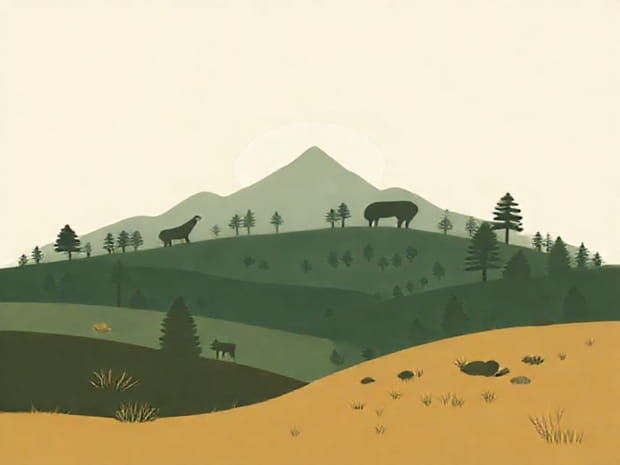
Inhabited Wildness And The Vitality Of The Land
Inhabited wildness and the vitality of the land represent a powerful reminder that nature is not only a backdrop for human life but also a living, breathing force that sustains existence. Across centuries, people have lived in close relationship with forests, rivers, deserts, and mountains, drawing strength and inspiration from the vitality of the earth. The concept of inhabited wildness is not simply about untouched spaces, but rather about the harmony between people and their environment. It highlights how land, when respected and nurtured, thrives alongside communities, enriching both human culture and ecological systems. Understanding this interconnectedness is vital for sustainable living and for appreciating the sacred balance between civilization and the wild.
The Meaning of Inhabited Wildness
Inhabited wildness refers to landscapes that retain their natural energy and diversity while being home to human communities. Unlike the idea of wilderness as an untouched space, this term emphasizes coexistence. It suggests that humans can live within wild environments without destroying their vitality, maintaining a balance where both flourish. Traditional farming villages, indigenous homelands, and remote mountain settlements often exemplify this concept.
Wildness Beyond Isolation
Wildness does not always mean isolation or exclusion of human presence. In fact, the vitality of the land often increases when communities live responsibly within it. Local stewardship, sustainable agriculture, and respect for natural cycles ensure that wild ecosystems remain rich and abundant. By recognizing inhabited wildness, we reject the myth that human life and thriving nature cannot coexist.
The Vitality of the Land
The vitality of the land refers to the living energy within soil, plants, water, and ecosystems. It is the pulse of nature that sustains biodiversity, renews resources, and supports human survival. When land loses its vitality through exploitation, deforestation, or pollution, both humans and ecosystems suffer. When nurtured, however, the land provides food, shelter, inspiration, and a spiritual connection to the earth.
Indicators of a Vital Landscape
- Healthy soil rich in nutrients and microorganisms
- Abundant plant life with seasonal regeneration
- Diverse animal species coexisting within ecosystems
- Clean rivers, lakes, and groundwater sources
- Resilient cycles of renewal, such as rainforests and wetlands
These elements are signs of land that breathes with vitality, supporting both natural and human life. Inhabited wildness ensures that these elements are preserved even while communities make use of them for survival.
Human Relationship with Inhabited Wildness
For centuries, cultures around the world have built ways of life grounded in respect for the vitality of the land. Farmers followed lunar cycles, indigenous people honored sacred landscapes, and mountain dwellers adapted to harsh conditions with resourcefulness. These practices reflect a deep understanding of inhabited wildness. The challenge in modern times is to maintain this connection in the face of industrialization and urbanization.
Examples from Traditional Societies
In many indigenous traditions, inhabited wildness is central to survival and spirituality. Native American tribes, for example, view the land as a living relative rather than a resource. Similarly, in Japanese satoyama landscapes, farming communities harmonize with forests, ensuring that biodiversity and agricultural productivity coexist. Such examples illustrate how respecting the vitality of the land results in long-term sustainability.
Threats to Inhabited Wildness
Despite its importance, inhabited wildness faces many challenges. Rapid urban growth, industrial agriculture, and climate change threaten the vitality of the land. When natural areas are stripped of biodiversity, polluted, or overexploited, their ability to support human life diminishes. Recognizing these threats is crucial for ensuring that future generations can benefit from the energy and abundance of the land.
Common Threats
- Deforestation leading to loss of habitats and soil erosion
- Pollution of rivers, lakes, and groundwater
- Overuse of pesticides and fertilizers reducing soil vitality
- Urban expansion pushing communities away from sustainable practices
- Climate change disrupting natural cycles of renewal
Addressing these threats requires cooperation between governments, communities, and individuals to protect inhabited wildness and preserve the vitality of the land.
Reviving the Connection
To revive inhabited wildness, modern societies must rediscover the value of living in harmony with natural systems. This involves shifting perspectives from exploitation to stewardship. Instead of seeing land as a resource to be consumed, it must be recognized as a partner in survival and growth. Small actions such as community gardens, reforestation projects, and conservation initiatives play a significant role in restoring balance.
Steps Toward Restoration
- Practicing sustainable agriculture that nurtures soil health
- Supporting conservation of forests and wetlands
- Encouraging eco-friendly urban planning
- Restoring traditional knowledge of land stewardship
- Promoting awareness about the importance of biodiversity
The Spiritual Dimension of Wildness
Beyond its physical vitality, the land holds spiritual significance. Many cultures believe that landscapes carry memory, energy, and wisdom. Mountains, rivers, and forests often serve as sacred spaces where people connect with something greater than themselves. Inhabited wildness reminds us that by honoring the vitality of the land, we also nurture our own inner vitality and well-being.
Healing Power of the Land
Spending time in wild but inhabited landscapes has profound psychological and spiritual benefits. The sound of running water, the fragrance of forests, and the sight of diverse wildlife reduce stress, inspire creativity, and renew the human spirit. These experiences strengthen the bond between people and nature, emphasizing the mutual vitality that sustains life.
Inhabited wildness and the vitality of the land are not abstract ideas but living realities that shape our world. They highlight the possibility of balance between human communities and natural ecosystems, reminding us that survival depends on coexistence rather than domination. By respecting the pulse of the earth, nurturing its richness, and honoring its sacred energy, we ensure that both people and nature thrive together. The vitality of the land is not just about growth and abundance; it is about harmony, resilience, and the shared journey of life on earth.