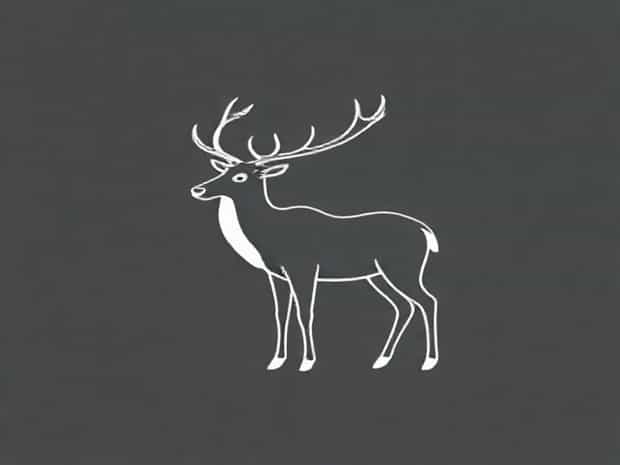
How To Draw A Caribou
Drawing a caribou can be a rewarding experience for both beginners and more experienced artists. These majestic creatures, also known as reindeer in some regions, are known for their impressive antlers, strong bodies, and distinctive features that set them apart from other wildlife. Whether you want to create a realistic depiction or a stylized illustration, learning how to draw a caribou requires understanding its anatomy, observing its proportions, and practicing techniques that bring the animal to life on paper. With careful observation and step-by-step guidance, anyone can successfully capture the beauty of a caribou.
Understanding the Caribou
Before picking up a pencil, it is essential to familiarize yourself with the caribou’s physical characteristics. Caribou have a large, muscular body, slender legs, and broad hooves that help them move across snow and rugged terrain. Their antlers are one of the most striking features, often large and branching in complex patterns. The face is elongated with a distinctive nose and expressive eyes. Understanding these details will make your drawing more accurate and realistic.
Studying Reference Images
Using reference images is a crucial step when learning how to draw a caribou. Observing photographs or illustrations from different angles allows you to understand the structure, posture, and proportions of the animal. Pay attention to the size of the body in relation to the legs, the positioning of the antlers, and how the muscles and joints appear in motion. Sketching multiple references helps develop a mental map of the caribou’s anatomy, making your final drawing more natural and lifelike.
Materials You Will Need
Gathering the right materials can improve your drawing experience and the quality of your work. Common tools include pencils of varying hardness, erasers, a sharpener, and quality paper suitable for sketching. If you plan to add color, colored pencils, watercolor, or markers can be used. Some artists prefer using fine liners or ink pens to add details and outlines after the initial sketch. Having a comfortable workspace with good lighting also enhances your ability to capture fine details.
Step-by-Step Guide to Drawing a Caribou
Step 1 Basic Shapes
Start by sketching basic shapes to outline the caribou’s body. Use an oval for the torso and a smaller circle for the head. Draw lines for the neck and guidelines for the legs. This foundational structure helps you establish proportions and positioning before adding details. Keeping your lines light at this stage makes it easier to adjust and correct mistakes.
Step 2 Sketching the Legs and Hooves
Caribou legs are long and slender but strong. Draw them extending from the body with gentle curves to indicate joints. The hooves are broad and flat, perfect for walking on snow. Pay attention to angles and lengths, ensuring they align with the body’s posture. Lightly mark the positions of joints to guide the final contours.
Step 3 Drawing the Head and Facial Features
The head of a caribou is elongated with a distinct nose. Start by refining the circle you drew for the head into an oval shape. Sketch the eyes, ears, and nose, making sure the eyes are expressive and positioned accurately. Adding subtle details, like the curve of the muzzle or the structure of the ears, will make your caribou look realistic.
Step 4 Adding the Antlers
Antlers are a defining characteristic of caribou and can be challenging to draw. Begin with light lines to outline the main branches. Then, add smaller branches and curves, observing your reference images closely. Antlers are often asymmetrical, so don’t worry about perfect symmetry. Pay attention to the thickness near the base and how the branches taper toward the tips.
Step 5 Refining the Body
Once the basic structure is in place, refine the body shape. Add muscle definition, the curvature of the back, and the contours of the neck and chest. Use smooth lines to connect the shapes you previously sketched, adjusting proportions as needed. Remember that caribou have a thick neck and a slightly rounded back, which gives them a sturdy appearance.
Step 6 Adding Fur and Texture
To give your caribou a more realistic look, add fur texture using short, gentle strokes. Focus on areas where the fur naturally varies in length, such as around the neck, chest, and legs. Layer your strokes to create depth, and consider the direction of the fur. This step adds dimension and makes the animal appear lifelike.
Step 7 Detailing and Final Touches
Finally, go over your drawing to add finer details. Enhance the antlers, sharpen the eyes, and define the hooves. Erase unnecessary guidelines and adjust any proportions that seem off. If desired, add shading to indicate light and shadow, giving your caribou a three-dimensional effect. Small touches, like highlighting the eyes or adding subtle shadows under the body, can dramatically improve the overall appearance.
Tips for Beginners
- Start with simple shapes and gradually add details.
- Use references to understand anatomy and proportions.
- Keep your lines light at first to allow easy corrections.
- Practice drawing antlers separately to gain confidence with complex shapes.
- Experiment with shading to add depth and realism.
- Be patient and practice consistently; drawing animals improves over time.
Exploring Different Styles
While realistic drawing is one approach, you can also explore stylized or cartoon versions of caribou. Simplifying shapes, exaggerating features, or using bold lines can give your drawing a unique look. Experimenting with different styles can improve your overall artistic skills and inspire creative approaches to depicting animals.
Learning how to draw a caribou involves patience, observation, and practice. By understanding the animal’s anatomy, studying reference images, and following a step-by-step approach, you can create a drawing that captures the grace and strength of these remarkable creatures. Whether you aim for a realistic representation or a creative interpretation, consistent practice and attention to detail will help you improve. Over time, your skills in drawing caribou, as well as other wildlife, will continue to grow, allowing you to produce more detailed and expressive artwork.