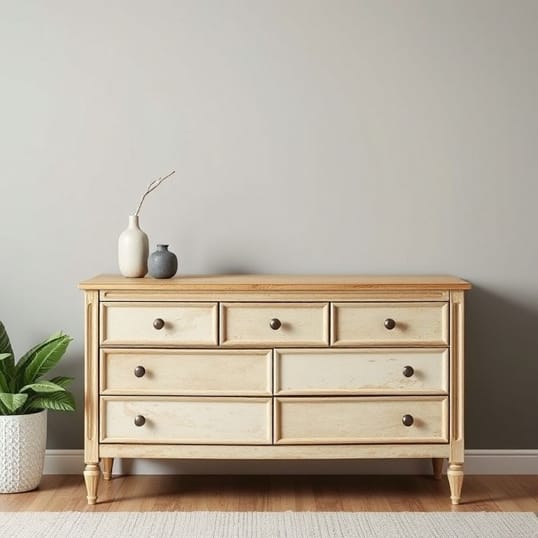
How To Decoupage Furniture
Giving old furniture a fresh new look does not always require expensive paint or professional restoration. One creative and affordable technique is decoupage, which involves decorating furniture surfaces using paper cutouts and adhesive. Learning how to decoupage furniture can transform plain tables, chairs, or cabinets into personalized statement pieces that reflect your style. With the right materials and steps, this craft project can be both enjoyable and rewarding.
Understanding Decoupage
Decoupage is an art form where images, patterns, or decorative papers are glued onto furniture and sealed with a protective finish. The technique originated centuries ago and has been used to enhance everyday items with beauty and charm. When applied to furniture, decoupage offers endless creative possibilities, whether you prefer floral patterns, vintage newspaper clippings, or abstract designs. Unlike painting, it allows you to work with ready-made designs that can instantly transform the look of a piece.
Why Choose Decoupage for Furniture
- Cost-effective compared to buying new furniture or professional refinishing.
- Endless design choices, from modern prints to classic motifs.
- Beginner-friendly and does not require advanced artistic skills.
- Allows customization to match personal taste and interior décor.
- Environmentally friendly as it promotes upcycling and reusing furniture.
Materials Needed for Decoupage
Before starting the project, gather the necessary supplies to ensure smooth progress. The basic materials for decoupage include
- Furniture piece (wood, laminate, or even metal surfaces can work).
- Decoupage paper, tissue paper, fabric, or printed napkins.
- Decoupage medium or glue such as Mod Podge.
- Paintbrushes or foam brushes.
- Sandpaper for preparing surfaces.
- Scissors or craft knife for precise cutting.
- Sealant or varnish for protection.
Preparing the Furniture
Preparation is an important step in learning how to decoupage furniture. Properly preparing the surface ensures the paper adheres well and lasts for years. Begin by cleaning the furniture thoroughly to remove dust, grease, and dirt. If the furniture has a glossy finish, lightly sand it with fine-grit sandpaper to create a surface the glue can stick to. Wipe off any sanding residue with a damp cloth and let the piece dry completely before moving on.
Cutting and Arranging the Paper
Decoupage design often depends on how the paper is cut and arranged. You can use large sheets to cover an entire tabletop or small cutouts for a collage effect. For beginners, it may be easier to work with larger pieces since they are easier to align and less likely to wrinkle. Take your time arranging the paper on the furniture surface without glue first to visualize the final result. This step helps avoid mistakes and ensures the design feels balanced.
Applying the Adhesive
Once you are satisfied with the layout, it is time to glue the paper. Using a paintbrush or foam brush, apply a thin, even layer of decoupage medium to the area where the paper will go. Place the paper gently on top, smoothing it with your fingers or a soft cloth to remove air bubbles. For best results, work in small sections rather than covering the entire surface at once. This allows better control and reduces the chance of wrinkles.
Tips to Avoid Wrinkles
- Use thin layers of glue to prevent paper from soaking.
- Work slowly and press from the center outward.
- If wrinkles appear, gently lift the paper and reapply.
- For delicate tissue or napkins, use plastic wrap to smooth without tearing.
Sealing the Surface
After applying the paper, let the glue dry completely before sealing. A protective layer of decoupage medium or clear varnish ensures durability. Apply two to three thin coats, allowing each to dry before adding the next. Sealing prevents peeling, protects against moisture, and gives the furniture a polished finish. Depending on preference, you can choose a matte, satin, or glossy finish for the final look.
Creative Ideas for Decoupage Furniture
Decoupage is highly versatile, allowing you to experiment with various themes and styles. Here are a few ideas
- Floral printsPerfect for shabby chic or cottage-inspired décor.
- Maps and travel themesGreat for desks, coffee tables, or cabinets.
- Newspaper or book pagesAdds a vintage or literary charm.
- Fabric designsCreate texture and bold patterns.
- Seasonal motifsCustomize furniture for holidays or events.
Common Mistakes to Avoid
While learning how to decoupage furniture, beginners may encounter challenges. Avoiding common mistakes helps achieve professional-looking results
- Skipping surface preparation can cause peeling later.
- Using too much glue may lead to wrinkles or tears.
- Not sealing the paper properly makes the design vulnerable to damage.
- Working too quickly may cause misaligned patterns.
- Choosing thin or low-quality paper can make the process harder.
Caring for Decoupaged Furniture
Once finished, decoupaged furniture requires gentle care to maintain its appearance. Avoid placing hot objects directly on the surface, as heat may damage the sealant. Clean with a soft, damp cloth instead of harsh chemicals. With proper maintenance, a decoupaged piece can last many years while maintaining its charm.
Why Decoupage is a Great DIY Project
Decoupage is not only a creative way to decorate furniture but also a satisfying DIY project. It allows you to recycle old items and turn them into unique works of art. Unlike complicated restoration methods, this technique is accessible to beginners and enjoyable for experienced crafters. It is also an activity that can be shared with family members, encouraging creativity and teamwork.
Learning how to decoupage furniture is a practical and enjoyable way to give old pieces a new life. From choosing the right paper to sealing the final design, each step allows for creativity and personalization. Whether you prefer floral patterns, vintage themes, or bold modern prints, decoupage provides an affordable method to create furniture that reflects your personality. With patience, practice, and attention to detail, anyone can master this craft and enjoy the beauty of handmade design in their home.