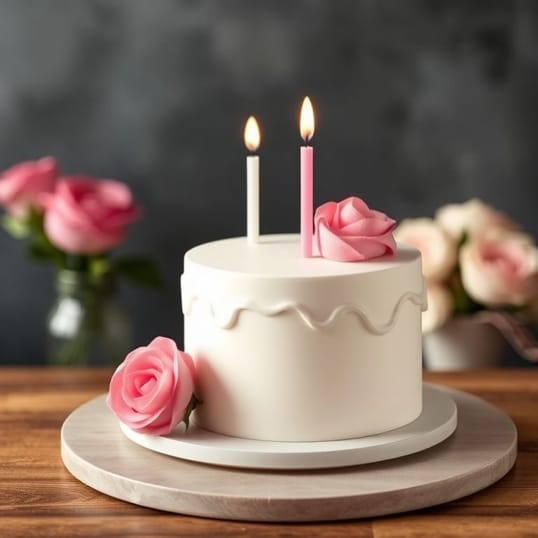
How To Decorate A Cake
Decorating a cake is both a creative and rewarding process that transforms a simple dessert into a centerpiece for celebrations. Whether you are preparing a cake for a birthday, wedding, or special occasion, learning the fundamentals of cake decoration allows you to enhance its visual appeal while complementing its flavor. Effective cake decoration involves choosing the right tools, understanding textures, colors, and techniques, and combining them in ways that are visually pleasing and practical. Even beginners can achieve stunning results with careful planning, practice, and an understanding of the various methods available for decorating cakes.
Understanding the Basics of Cake Decoration
Before diving into decorating, it is important to understand the fundamentals. Cake decoration can involve frosting, fondant, piping, edible toppers, and various garnishes. The first step is to select a cake base that suits your design goals. Some cakes, like sponge or butter cakes, provide a smooth surface ideal for frosting, while others, like chiffon or angel food cakes, require gentle handling due to their delicate texture. Proper preparation, including leveling and crumb coating, ensures a stable surface for further decoration.
Essential Tools for Cake Decoration
- SpatulasUsed for spreading frosting evenly and creating smooth surfaces.
- Piping Bags and TipsAllow for intricate designs, borders, and writing on cakes.
- TurntableFacilitates smooth rotation for even frosting application.
- Offset SpatulaIdeal for detailed work and smoothing frosting edges.
- Fondant ToolsUsed for shaping, cutting, and embossing fondant designs.
- Edible DecorationsSprinkles, edible flowers, chocolate shavings, and sugar pearls enhance visual appeal.
Preparing the Cake for Decoration
Proper cake preparation is crucial for successful decoration. Start by baking the cake evenly and allowing it to cool completely. Cooling prevents the frosting from melting and helps maintain the structure. Leveling the cake by trimming the top ensures a flat surface, which is essential for professional-looking decoration. Applying a crumb coat, a thin layer of frosting that traps loose crumbs, prepares the cake for a smooth final layer of frosting or fondant.
Choosing the Right Frosting
Different frostings serve various purposes and create unique textures. Buttercream is versatile and easy to pipe, while ganache provides a glossy, rich finish. Whipped cream frosting offers lightness, and fondant allows for sculpted, smooth surfaces. Selecting the appropriate frosting based on the design and taste preference is key to achieving the desired result.
Techniques for Cake Decoration
Several techniques can be used to decorate cakes, each adding its own style and charm. Mastering these methods allows you to create both simple and elaborate designs.
Piping Designs
Piping involves using a bag fitted with a tip to create patterns and shapes on the cake. Common techniques include rosettes, shells, stars, and borders. Piping is suitable for adding elegant details, lettering, or themed designs.
Using Fondant
Fondant is a smooth, pliable icing that can be rolled out and draped over cakes for a flawless finish. It can also be molded into flowers, figures, and decorative shapes. Working with fondant requires patience and practice, but it allows for intricate and polished designs.
Edible Decorations
Edible decorations, such as sprinkles, sugar pearls, chocolate shavings, or edible flowers, can add texture, color, and dimension. These elements are especially effective for quick and visually appealing designs without requiring advanced skills.
Layering and Stacking
Creating multi-layered cakes adds height and sophistication. Each layer should be evenly frosted and stacked carefully to prevent tilting. Using dowels or cake supports ensures stability for taller cakes, especially when adding fondant or heavy decorations.
Color and Theme Selection
Choosing the right colors and themes is essential to cohesive cake design. Pastel shades work well for weddings and baby showers, while bright, vibrant colors are ideal for birthdays and celebrations. Consider the occasion, recipient preferences, and overall aesthetic when selecting colors and themes. Coordinating decorations, toppers, and frosting shades creates a polished, visually pleasing cake.
Using Color Gradients
Gradients or ombre effects, where frosting transitions from light to dark shades, add depth and a professional touch. This technique can be achieved by blending multiple frosting colors gradually and smoothing them with a spatula or icing smoother.
Theme-Based Decorations
Themed cakes, such as for holidays, cartoons, or special events, can be enhanced with fondant shapes, printed edible images, or custom toppers. Incorporating thematic elements creates a personalized and memorable dessert.
Finishing Touches
After applying frosting and decorations, finishing touches enhance the overall appearance. Dusting with edible glitter, spraying with edible color mist, or piping small accents around borders adds elegance and detail. Ensuring clean edges and symmetry contributes to a professional finish.
Practical Tips for Beginners
- Practice piping techniques on parchment paper before applying them to the cake.
- Keep frosting at the right consistency; too stiff or too runny frosting can affect design quality.
- Work in a cool environment to prevent frosting or fondant from melting.
- Start with simple designs and gradually progress to more complex decorations.
- Use a turntable for smoother and faster frosting application.
Decorating a cake is a fulfilling process that combines creativity, precision, and technique. Understanding the basics of cake preparation, frosting selection, and decoration methods allows both beginners and experienced bakers to create visually appealing and delicious desserts. By mastering piping techniques, fondant work, and the use of edible decorations, you can enhance the look and taste of any cake. Paying attention to color, theme, and finishing touches ensures that the cake not only tastes amazing but also becomes a centerpiece for celebrations. Whether you prefer simple designs or elaborate creations, learning how to decorate a cake opens endless possibilities for culinary artistry. Practice, experimentation, and attention to detail transform ordinary cakes into stunning, professional-looking desserts that impress friends, family, and guests alike.
Ultimately, cake decoration is about balancing aesthetics and flavor. With the right tools, techniques, and creativity, anyone can achieve beautiful results. Whether for birthdays, weddings, holidays, or casual gatherings, a well-decorated cake elevates the entire experience, making it memorable and enjoyable for everyone. Investing time in learning the principles of cake decoration ensures consistent, high-quality results that bring joy and satisfaction to both the baker and those enjoying the cake.