How To Celebrate Kwanzaa
Kwanzaa is a vibrant cultural holiday that celebrates African heritage, community, and shared values. It is observed from December 26 to January 1 each year and focuses on family, community, and cultural pride. Unlike traditional holidays that center on religious observance, Kwanzaa emphasizes principles known as the Nguzo Saba, which include unity, self-determination, collective work, responsibility, cooperative economics, purpose, creativity, and faith. Learning how to celebrate Kwanzaa allows families and communities to honor African traditions, foster cultural awareness, and engage in meaningful rituals that strengthen bonds and promote reflection on shared values. Understanding the customs, symbols, and activities associated with Kwanzaa is key to a meaningful celebration.
Understanding the Principles of Kwanzaa
The foundation of Kwanzaa rests on the seven principles of the Nguzo Saba, each guiding the celebration and daily life during the holiday. Each day of Kwanzaa is dedicated to one principle, which families discuss, reflect upon, and practice through actions and rituals.
The Seven Principles
- Umoja (Unity)Focuses on maintaining unity within family, community, and nation.
- Kujichagulia (Self-Determination)Encourages individuals to define themselves and create their path.
- Ujima (Collective Work and Responsibility)Emphasizes solving problems together as a community.
- Ujamaa (Cooperative Economics)Highlights supporting local businesses and sharing resources.
- Nia (Purpose)Focuses on personal and collective goals that benefit the community.
- Kuumba (Creativity)Encourages creativity in improving the community and leaving it better than found.
- Imani (Faith)Centers on belief in oneself, family, and community values.
Essential Symbols of Kwanzaa
Kwanzaa celebrations include various symbols that hold deep meaning and are used to educate, inspire, and remind participants of cultural heritage and principles. Understanding these symbols enhances the holiday experience and encourages engagement in rituals.
Kinara (Candle Holder)
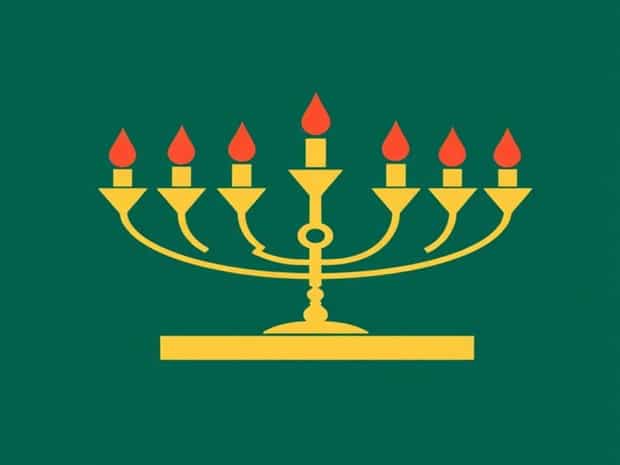
The kinara holds seven candles, each representing one of the Nguzo Saba principles. There are three red candles on the left, three green candles on the right, and a single black candle in the center. Lighting these candles daily reminds participants to reflect on each principle and its relevance to their lives.
Muhindi (Ears of Corn)
Muhindi symbolizes children and the hope for the future. Families place ears of corn on the Kwanzaa table, one for each child, representing the importance of family and continuity of cultural values.
Kikombe cha Umoja (Unity Cup)
The unity cup is used for libations, a ritual in which participants honor ancestors and reaffirm unity within the community. Sharing from the unity cup is an act of remembrance and connection.
Other Symbols
- Mazao (Fruits and Vegetables)Represents the fruits of collective labor and the rewards of working together.
- Vibunzi (Gifts)Gifts are given to honor accomplishments, encourage learning, and foster cultural pride.
- DecorationsAfrican-inspired colors and patterns, including black, red, and green, are used to enhance the celebratory atmosphere.
How to Celebrate Kwanzaa Step by Step
Celebrating Kwanzaa involves intentional rituals, family gatherings, and community engagement. Here are practical steps to observe the holiday in a meaningful way.
Step 1 Prepare a Kwanzaa Table
Start by creating a designated space for Kwanzaa symbols, including the kinara, muhindi, unity cup, and other decorations. Arrange items in an organized and respectful manner, emphasizing the holiday’s colors and symbols.
Step 2 Light the Kinara
Each day, light one candle to represent the principle of the day. Begin with the black candle for Umoja, followed by alternating red and green candles. Discuss the meaning of each principle and how it applies to your life and community.
Step 3 Reflect and Discuss Principles
Use the Nguzo Saba principles as conversation starters during family or community gatherings. Encourage children and adults to share experiences, lessons, and goals related to each principle, fostering deeper understanding and personal growth.
Step 4 Participate in Community Activities
Kwanzaa is not only a family holiday but also a community celebration. Attend or organize local events, workshops, or cultural performances. Engage in acts of service, support local African-American businesses, or participate in cooperative projects that reflect the principles of collective work and cooperative economics.
Step 5 Give Meaningful Gifts
During Kwanzaa, giving gifts (Zawadi) is a symbolic practice that emphasizes education, growth, and cultural appreciation rather than materialism. Consider books, art, handmade items, or gifts that encourage learning and creativity.
Step 6 Enjoy Traditional Foods
Prepare meals that reflect African heritage and celebrate togetherness. Foods such as rice, beans, collard greens, yams, and other culturally significant dishes are shared to represent abundance, unity, and the rewards of collective effort.
Incorporating Kwanzaa into Modern Life
Kwanzaa can be adapted to modern lifestyles while maintaining its cultural essence. Families can use technology to connect with extended relatives, share experiences online, or participate in virtual cultural events. Schools, workplaces, and community centers can also educate about Kwanzaa and encourage inclusive celebrations that honor diversity and cultural awareness.
Tips for a Meaningful Celebration
- Focus on learning and teaching the significance of each principle rather than purely festive activities.
- Include storytelling sessions that honor ancestors and preserve cultural history.
- Encourage children to create crafts and decorations that reflect Kwanzaa themes.
- Document the celebration through photos, videos, or journals to share and preserve memories.
- Invite neighbors and friends to participate, promoting cultural understanding and community connection.
Celebrating Kwanzaa is an enriching experience that strengthens family bonds, fosters community connections, and honors African heritage. By understanding the principles of the Nguzo Saba, incorporating meaningful symbols, engaging in reflection and discussion, participating in community activities, and giving thoughtful gifts, Kwanzaa becomes a holiday of cultural pride and intentional living. Each step of the celebration offers opportunities to teach values, inspire creativity, and promote unity. Whether observing Kwanzaa with family, friends, or a larger community, the holiday provides a meaningful framework for reflection, joy, and shared purpose, making it a powerful and enduring cultural celebration.