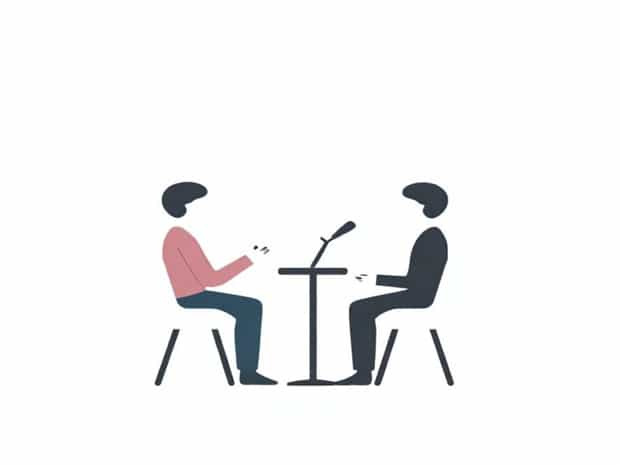
How To Be A Good Interviewee
Being a good interviewee is more than simply answering questions correctly. It involves presenting yourself in a confident, professional, and authentic manner while demonstrating your qualifications, skills, and suitability for the role. Interviews are a critical step in the hiring process, and excelling in this environment requires preparation, self-awareness, and effective communication. By understanding what employers are looking for and learning strategies to highlight your strengths, you can significantly increase your chances of success and leave a positive, lasting impression on potential employers.
Preparing Thoroughly Before the Interview
Preparation is the foundation of being a good interviewee. Research the company extensively, including its history, mission, values, products, and services. Understanding the company culture and the industry it operates in will help you tailor your responses to demonstrate that you are the right fit. Review the job description carefully, noting the required skills and experiences, and think about how your background aligns with these requirements.
Anticipating Common Interview Questions
While each interview may vary, certain questions are commonly asked. Preparing thoughtful responses to these questions can help you feel more confident and articulate during the interview. Examples include
- Tell me about yourself – Prepare a brief, focused summary of your professional background and achievements.
- What are your strengths and weaknesses? – Highlight strengths relevant to the role and discuss weaknesses with a focus on improvement.
- Why do you want to work here? – Show your knowledge of the company and enthusiasm for the role.
- Can you describe a challenging situation and how you handled it? – Use the STAR method (Situation, Task, Action, Result) to structure your answer clearly.
Mastering Communication Skills
Effective communication is essential for making a strong impression. Speak clearly and confidently, avoiding filler words such as um or like. Maintain good posture, eye contact, and a friendly but professional tone. Listening attentively to questions and responding thoughtfully shows respect for the interviewer and demonstrates active engagement in the conversation.
Non-Verbal Communication
Non-verbal cues can be as important as verbal responses. Smile naturally to convey warmth and approachability. Sit up straight and avoid crossing your arms, which can appear defensive. Handshakes, if appropriate, should be firm but not overpowering. These small gestures communicate confidence and professionalism, making a positive impact on your overall impression.
Presenting Yourself Professionally
Your appearance and demeanor play a significant role in being perceived as a competent and professional candidate. Dress appropriately for the company culture, leaning toward formal or business-casual attire unless otherwise specified. Personal grooming, neat hair, and minimal accessories contribute to a polished, professional look. Arriving on time is equally important; punctuality demonstrates respect for the interviewer’s schedule and a responsible attitude.
Confidence Without Arrogance
Confidence is key to being a good interviewee, but it should be balanced with humility. Showcase your achievements without exaggeration, and acknowledge areas where you are eager to learn or improve. Employers value candidates who are self-assured yet open to feedback and development.
Demonstrating Knowledge and Enthusiasm
Being well-informed about the company and the role signals genuine interest and dedication. Use specific examples to illustrate your skills and experience, linking them to how you can contribute to the organization’s success. Ask insightful questions about the company, team dynamics, or future projects to show that you are engaged and thinking critically about the position.
Using Examples and Stories
Stories and examples make your answers more memorable and credible. Highlight accomplishments that showcase problem-solving skills, teamwork, leadership, or technical expertise. Quantifying results where possible, such as increasing sales by a certain percentage or improving efficiency, adds concrete evidence of your capabilities.
Handling Difficult Questions Gracefully
Every interview may include challenging questions designed to test your composure, problem-solving abilities, or honesty. Approach these questions with a calm, structured response. Avoid negative comments about previous employers or colleagues, and instead, focus on what you learned from past experiences and how you plan to apply that knowledge in the future.
Maintaining Positivity
Positive language and a can-do attitude can set you apart from other candidates. Emphasize your strengths and achievements while framing any challenges as opportunities for growth. Positivity demonstrates resilience and adaptability, qualities highly valued in any workplace.
Following Up After the Interview
Being a good interviewee does not end when the conversation finishes. Sending a polite follow-up email to thank the interviewer for their time shows appreciation and reinforces your interest in the role. Mention specific points from the interview that resonated with you or highlight key strengths that make you a strong candidate. This small gesture can leave a lasting impression and sometimes tip the decision in your favor.
Reflecting and Learning
After each interview, reflect on your performance to identify areas for improvement. Consider what went well, which answers were strong, and which questions were challenging. Continuous reflection and adjustment will help you become a more skilled and confident interviewee over time.
Becoming a good interviewee requires preparation, effective communication, professional presentation, and a positive attitude. By thoroughly researching the company, anticipating questions, practicing clear and confident responses, and demonstrating enthusiasm for the role, you can make a strong impression on potential employers. Remember that interviews are an opportunity to showcase your skills, personality, and fit for the position, and with consistent effort and self-awareness, you can increase your chances of success in any interview scenario. Following up professionally and learning from each experience ensures continuous improvement, helping you stand out as a competent, reliable, and impressive candidate.