How Long Should Baby Mealtime Last
Feeding a baby is one of the most important daily routines for both parents and infants, but many caregivers often wonder how long mealtime should last. Determining the ideal duration of baby mealtime involves understanding the child’s age, developmental stage, appetite, and feeding method. While there is no one-size-fits-all answer, having a general idea of how long to spend feeding helps ensure the baby receives adequate nutrition without creating unnecessary stress for either the baby or the parent. Balancing patience with efficiency can make mealtime a positive experience that supports growth and bonding.
Factors Affecting Baby Mealtime Duration
The length of a baby’s mealtime depends on several factors. These include whether the baby is breastfed or formula-fed, the age of the baby, and the introduction of solid foods. Newborns feed more frequently but may take shorter sessions, while older babies might take longer per feeding as they consume larger volumes and explore solid foods.
Age and Feeding Patterns
Newborns typically feed every two to three hours, with each session lasting 20 to 40 minutes. Their tiny stomachs require frequent, smaller meals, and feeding may take longer if the baby is learning to latch or if the mother produces a large milk supply. As babies grow, they become more efficient at feeding, and mealtime can shorten. By three to six months, most babies feed for about 15 to 25 minutes per session.
Breastfeeding vs. Formula Feeding
Breastfeeding and formula feeding influence mealtime duration differently. Breastfed babies may take longer to feed due to the effort required to extract milk and the natural variations in milk flow. Formula-fed babies often consume milk more quickly, as the liquid flows consistently and requires less effort. Despite these differences, both methods ensure adequate nutrition when sessions are long enough for the baby to feel full and satisfied.
Introduction of Solid Foods
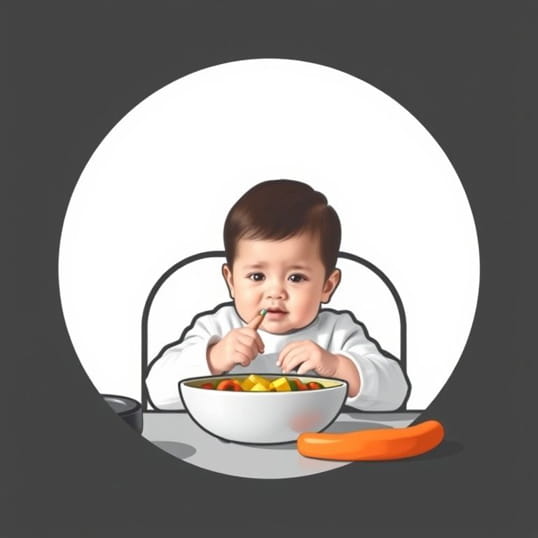
When babies reach around six months of age, solid foods are gradually introduced alongside breast milk or formula. Mealtime duration may increase as babies explore new textures and flavors. At first, solid meals might last 15 to 20 minutes, with small portions. Babies may play with the food, spit it out, or refuse certain textures. It is normal for mealtime to be longer and somewhat messy during the early stages of introducing solids.
Signs of Hunger and Fullness
Rather than focusing strictly on the clock, parents should pay attention to signs that indicate hunger or fullness. Recognizing these cues helps determine whether a feeding session is sufficient and prevents overfeeding or underfeeding.
- Rooting or reaching for the bottle or breast indicates hunger.
- Sucking on fists or becoming fussy may signal readiness to eat.
- Turning away, closing the mouth, or losing interest suggests fullness.
- Falling asleep during a feeding session can indicate satiety.
Creating a Positive Feeding Environment
The environment in which a baby feeds also affects how long mealtime lasts. Minimizing distractions, ensuring comfortable seating for the caregiver, and maintaining a calm, patient attitude encourages efficient and stress-free feeding. Parents should allow enough time for each feeding session so that the baby does not feel rushed, which can lead to frustration or feeding difficulties.
Tips for a Successful Mealtime
- Feed the baby in a quiet, calm setting.
- Maintain eye contact to promote bonding and communication.
- Offer breaks if the baby seems distracted or overwhelmed.
- Adjust the pace to match the baby’s rhythm and interest.
- Introduce solid foods gradually and allow the baby to explore textures at their own pace.
Average Duration by Age Group
Although every baby is unique, general guidelines can help parents gauge appropriate mealtime length
- Newborns (0-2 months)20-40 minutes per feeding, 8-12 times per day.
- Infants (2-4 months)15-30 minutes per feeding, gradually becoming more efficient.
- Older infants (4-6 months)15-25 minutes per feeding, beginning to consolidate milk intake.
- Introducing solids (6-12 months)15-30 minutes, depending on how much attention the baby gives to new foods.
Signs That Mealtime May Be Too Long
While some variation is normal, mealtime that consistently exceeds recommended durations may indicate feeding challenges. Signs of overly long sessions include
- Baby appears frustrated, fusses, or cries frequently during feeding.
- Feeding takes more than 45 minutes without significant intake.
- Caregiver experiences stress or fatigue trying to complete the feeding.
Consulting a pediatrician or lactation consultant can help address any underlying issues, such as low milk flow, latch difficulties, or feeding disorders.
When Mealtime Is Too Short
Conversely, very brief feeding sessions may also be a concern. Babies who feed for only a few minutes at a time without showing signs of satisfaction may not be consuming enough nutrition. Signs of too-short feeding sessions include
- Poor weight gain or growth delays.
- Frequent fussiness or signs of hunger shortly after feeding.
- Baby falling asleep quickly before consuming enough milk or solids.
Again, professional guidance can ensure that feeding is adequate and the baby’s nutritional needs are met.
Adjusting Mealtime Over Time
As babies grow, mealtime naturally changes. The introduction of new foods, increased attention span, and improved feeding skills all contribute to a gradual increase in efficiency. Parents can adapt to these changes by observing the baby’s cues, offering appropriate portions, and allowing flexibility in feeding schedules. Mealtime becomes a shared experience, fostering learning, exploration, and bonding.
The duration of baby mealtime varies depending on age, feeding method, developmental stage, and individual temperament. Newborns may take 20 to 40 minutes per session, while older infants and those exploring solid foods may require 15 to 30 minutes. Paying attention to signs of hunger and fullness, creating a calm feeding environment, and adjusting to the baby’s natural rhythm helps ensure that mealtime is both nutritious and enjoyable. While averages provide guidance, parents should focus on their baby’s individual needs and consult professionals if feeding sessions consistently seem too long or too short. Ultimately, successful mealtime supports healthy growth, encourages positive eating habits, and strengthens the bond between baby and caregiver.