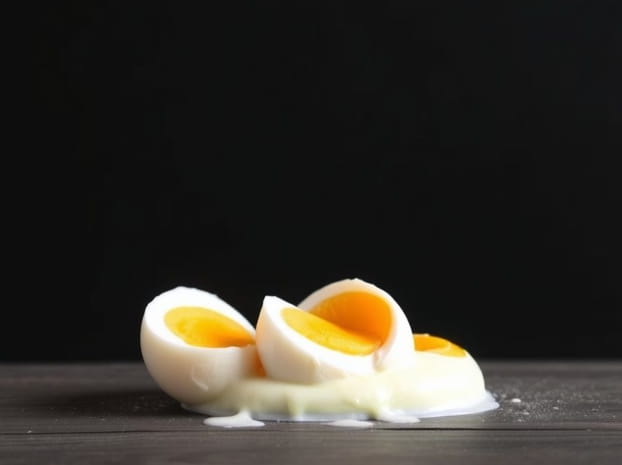
How Are Egg Whites Pasteurized
Egg whites are a common ingredient in many recipes, from fluffy meringues to protein shakes. However, consuming raw egg whites comes with the risk of foodborne illness, especially salmonella. To make them safe for use in raw or lightly cooked dishes, egg whites are often pasteurized. Pasteurization is a process that uses controlled heat to kill harmful bacteria without cooking the product. Understanding how egg whites are pasteurized helps home cooks, bakers, and food manufacturers know why they can be safely enjoyed in many recipes without fear of contamination.
What Does Pasteurization Mean?
Pasteurization is a technique originally developed in the 19th century to prevent spoilage in milk and wine. The process involves applying heat at a precise temperature for a specific period of time to kill bacteria and pathogens. When applied to egg whites, pasteurization ensures that dangerous microorganisms such as salmonella are destroyed while the proteins and functional properties of the egg whites remain intact. This is essential because egg whites are valued for their foaming, binding, and leavening abilities in cooking and baking.
Why Egg Whites Need Pasteurization
Raw egg whites have long been associated with foodborne illnesses. While the overall risk of contamination is relatively low, even small amounts of salmonella can cause serious illness. Pasteurized egg whites allow for safe consumption in dishes where eggs are not fully cooked, such as mousse, tiramisu, Caesar dressing, and homemade ice cream. Additionally, many athletes and fitness enthusiasts consume liquid egg whites for protein, making pasteurization critical for safety.
How Are Egg Whites Pasteurized?
Egg white pasteurization must be carefully controlled to ensure safety without cooking the eggs. The process usually involves several key steps
1. Temperature Control
The most common method for pasteurizing egg whites involves heating them to a temperature between 134°F and 140°F (about 56°C to 60°C). This temperature is high enough to kill bacteria but low enough to prevent the egg proteins from coagulating. Holding the egg whites at this temperature for a set period of time, often several minutes, ensures microbial safety.
2. Liquid Egg Whites Pasteurization
Commercially sold liquid egg whites are pasteurized in their packaging or before being packaged. This is done by heating the product in large vats or through a continuous flow system where the liquid is heated and then cooled quickly. The cooling step is important because it prevents the egg whites from further heating and changing texture.
3. Pasteurization of Whole Shell Eggs
Some companies also pasteurize whole eggs in their shells. This is done using warm water baths where the eggs are immersed at carefully regulated temperatures. This allows the egg whites inside the shell to be pasteurized without being cooked, making them safe for raw or lightly cooked use.
4. Advanced Technologies
In addition to traditional heat treatment, modern pasteurization methods may include techniques such as high-pressure processing (HPP). HPP uses pressure instead of heat to kill bacteria, which can help maintain the natural characteristics of egg whites more effectively. While less common, this method is being explored as an alternative for sensitive foods.
Maintaining Quality During Pasteurization
One of the biggest challenges in pasteurizing egg whites is maintaining their functional properties. Egg whites are prized for their ability to whip into stiff peaks and create structure in baked goods. Excessive heat can denature proteins and cause them to lose their foaming ability. Therefore, careful control of time and temperature is crucial. Food scientists continually refine the process to balance safety with preserving culinary performance.
Uses of Pasteurized Egg Whites
Pasteurized egg whites are widely used in both home kitchens and commercial food production. They are especially valuable for recipes that require raw or lightly cooked eggs. Some common uses include
- Making meringues and pavlovas
- Preparing royal icing for decorating cakes and cookies
- Blending into protein shakes and smoothies
- Adding to mousses and custards
- Using in cocktails such as whiskey sours
Because they are pasteurized, these egg whites allow for safe consumption without altering the intended taste or texture of the dish.
Safety and Storage of Pasteurized Egg Whites
Even after pasteurization, egg whites should be stored properly to prevent spoilage. Liquid pasteurized egg whites are usually sold in cartons and must be kept refrigerated. Once opened, they should be used within a few days. Powdered pasteurized egg whites are also available and have a longer shelf life when stored in a cool, dry place.
Benefits of Pasteurized Egg Whites
Pasteurized egg whites offer many advantages over raw egg whites, including
- Safety from salmonella and other harmful bacteria
- Convenience for recipes requiring raw or lightly cooked eggs
- Extended shelf life when sold in packaged form
- Consistency in texture and quality for culinary applications
These benefits make them a preferred choice for professional chefs, home cooks, and food manufacturers alike.
Egg Whites in the Food Industry
Beyond home cooking, pasteurized egg whites play a critical role in the food industry. They are used in large-scale production of baked goods, protein powders, and processed foods. The ability to guarantee safety while preserving functionality allows companies to create high-quality products that meet strict health standards.
Understanding how egg whites are pasteurized reveals the balance between science and culinary art. Through careful temperature control and modern techniques, manufacturers make it possible to enjoy egg whites safely without compromising their valuable cooking properties. Whether used in desserts, drinks, or health-focused meals, pasteurized egg whites provide peace of mind and flexibility in the kitchen. Their role in food safety and convenience underscores why pasteurization remains a vital process in today’s culinary world.
By knowing the process behind pasteurized egg whites, consumers can make informed choices when preparing recipes that call for them. From fluffy meringues to protein-rich shakes, pasteurization ensures that egg whites can be enjoyed safely and effectively in countless dishes.