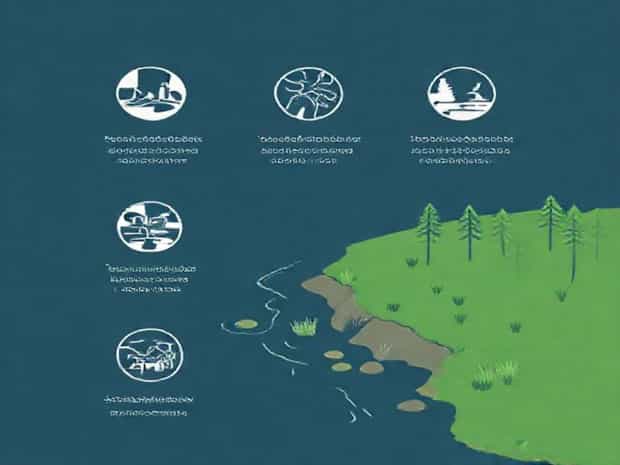
Guidelines For Riparian Corridors On Waterfront Land
Riparian corridors are essential areas along waterfront lands that provide critical environmental, ecological, and social benefits. These zones, often consisting of vegetation along rivers, lakes, and streams, play a vital role in maintaining water quality, preventing erosion, supporting wildlife habitats, and enhancing the aesthetic and recreational value of waterfront properties. Guidelines for managing riparian corridors are important for landowners, planners, and environmental managers to ensure that these sensitive areas are protected and sustainably used. Understanding the principles behind riparian management helps balance development needs with environmental stewardship, preserving these important ecosystems for current and future generations. Proper planning and adherence to guidelines are crucial for minimizing negative impacts while promoting healthy waterfront landscapes.
Understanding Riparian Corridors
Riparian corridors refer to the interface between land and a water body, including the areas immediately adjacent to rivers, streams, lakes, and wetlands. These corridors often contain a mix of trees, shrubs, grasses, and other native vegetation that help stabilize soil, filter pollutants, and provide shelter for wildlife. In addition to environmental functions, riparian corridors serve social and recreational purposes, offering scenic beauty and opportunities for walking, fishing, or observing nature. Protecting and managing these areas requires careful consideration of ecological principles, local regulations, and land use objectives.
Key Functions of Riparian Corridors
- Erosion ControlVegetation along riparian corridors stabilizes riverbanks and shorelines, reducing soil loss and protecting adjacent properties.
- Water Quality ProtectionRiparian zones act as natural filters, trapping sediments, nutrients, and pollutants before they enter the water body.
- Wildlife HabitatThese corridors provide shelter, nesting, and feeding areas for fish, birds, mammals, and amphibians.
- Flood MitigationRiparian vegetation helps absorb excess water, reducing the risk of flooding and minimizing damage to infrastructure.
- Recreational and Aesthetic ValueWaterfront corridors enhance scenic beauty and provide spaces for outdoor activities, improving community well-being.
Guidelines for Managing Riparian Corridors
Effective management of riparian corridors requires a combination of legal, ecological, and practical strategies. Guidelines focus on maintaining the integrity of these areas while allowing for sustainable development and responsible use of waterfront land.
1. Establishing Buffer Zones
One of the primary guidelines is to establish buffer zones along water bodies. Buffer zones are areas of undisturbed or minimally disturbed vegetation that provide protection for the water body. Recommended widths vary depending on local regulations, topography, and the sensitivity of the ecosystem, but typical buffers range from 30 to 100 feet for streams and rivers. Wider buffers are recommended for larger water bodies or areas prone to erosion and flooding.
2. Preserving Native Vegetation
Maintaining native plant species within riparian corridors is crucial for ecological stability. Native vegetation is adapted to local conditions, supports wildlife, and requires less maintenance. Guidelines emphasize avoiding removal of trees and shrubs unless necessary for safety or maintenance. Where vegetation is damaged or removed, replanting with native species is strongly recommended to restore ecological functions.
3. Controlling Development and Construction
Construction activities near riparian corridors should be carefully regulated to minimize disturbance. Guidelines typically suggest
- Limiting impervious surfaces, such as concrete and asphalt, near the water.
- Using low-impact development techniques, such as permeable pavements and rain gardens.
- Restricting building within the buffer zone or setting back structures from the water’s edge.
- Preventing soil compaction and grading that can destabilize banks or alter natural water flow.
4. Managing Runoff and Pollution
Riparian corridors play a vital role in filtering runoff from surrounding land. Guidelines recommend
- Installing vegetative swales or bioswales to direct and treat runoff.
- Minimizing use of fertilizers, pesticides, and chemicals that can enter waterways.
- Maintaining stormwater retention areas outside the immediate riparian zone.
5. Protecting Wildlife and Habitat
Riparian corridors are key habitats for aquatic and terrestrial species. Management practices should aim to
- Minimize human disturbance during critical breeding or migration seasons.
- Preserve large trees and woody debris that provide shelter and food for wildlife.
- Prevent fragmentation of corridors to ensure continuous habitat connectivity.
Monitoring and Maintenance
Ongoing monitoring and maintenance are essential to ensure the health and function of riparian corridors. Guidelines recommend periodic assessments of vegetation health, erosion control, water quality, and habitat conditions. Maintenance activities may include removing invasive species, replanting native plants, repairing eroded banks, and controlling human activities that cause damage. Proper signage and education for landowners and the public can help prevent misuse of the corridor and promote stewardship.
Community Engagement and Education
Successful riparian management often involves community participation. Landowners, local authorities, and residents should be informed about the importance of riparian corridors. Educational programs can cover topics such as the ecological benefits, proper landscaping practices, and ways to reduce pollution and disturbance. Engaging the community fosters long-term protection and appreciation of waterfront land.
Regulatory Considerations
Many regions have legal frameworks and regulations governing riparian corridors. Guidelines often reference these laws to ensure compliance. Typical regulatory considerations include
- Permits for construction or vegetation removal within buffer zones.
- Water quality standards and restrictions on pollutant discharge.
- Local zoning laws that establish minimum setbacks and protected areas.
- Environmental impact assessments for development projects affecting riparian zones.
Understanding and adhering to regulatory requirements is essential for responsible management and avoiding legal penalties.
Best Practices for Waterfront Landowners
Landowners can follow several best practices to maintain healthy riparian corridors
- Leave natural vegetation intact as much as possible.
- Use native plants for landscaping and erosion control.
- Minimize lawn and impervious surfaces near the water.
- Monitor and control invasive species regularly.
- Educate visitors about the ecological importance of the corridor.
- Work with local authorities and environmental groups to implement sustainable management strategies.
Riparian corridors on waterfront land provide essential ecological, environmental, and social benefits. Following guidelines for their protection and management is crucial for maintaining water quality, preventing erosion, supporting wildlife, and ensuring sustainable land use. Establishing buffer zones, preserving native vegetation, controlling development, managing runoff, and monitoring habitat conditions are key strategies for maintaining healthy riparian zones. Community engagement, regulatory compliance, and adherence to best practices help ensure that these corridors continue to function effectively while providing recreational and aesthetic value. By understanding and implementing these guidelines, landowners and planners can protect riparian corridors, promote biodiversity, and maintain the natural integrity of waterfront areas for future generations.
Ultimately, well-managed riparian corridors balance the needs of humans and nature, creating resilient and thriving waterfront landscapes. Adopting thoughtful guidelines ensures that these vital ecosystems continue to benefit both the environment and the communities that depend on them.
This HTML-formatted topic uses
,
,
, and
- tags, exceeds 1000 words, and incorporates relevant keywords such as “riparian corridors,” “waterfront land guidelines,” and “ecosystem management” for SEO optimization.