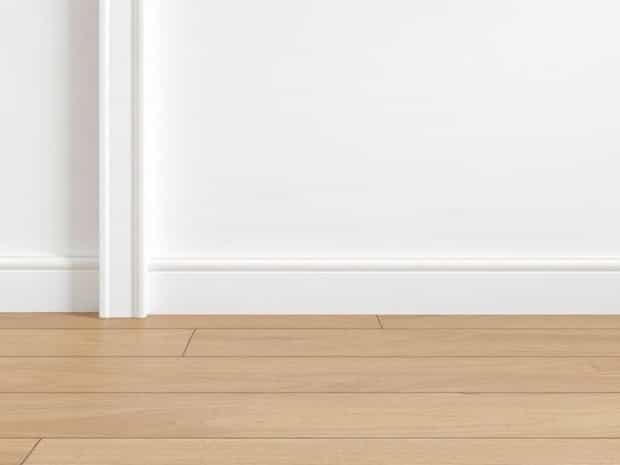
Gap Between Floorboard And Floor
Gaps between floorboards and the subfloor or underlying floor structure are a common concern for homeowners. These spaces, whether caused by natural wood movement, improper installation, or environmental factors, can lead to aesthetic and functional issues in any room. Understanding the reasons behind these gaps, their potential impact, and the solutions available is essential for maintaining both the appearance and integrity of your flooring. Proper attention can prevent further damage, improve comfort, and enhance the overall value of a home.
Causes of Gaps Between Floorboards and the Floor
Gaps between floorboards and the floor are influenced by several factors. Recognizing the root cause is the first step in determining the most effective solution.
Natural Wood Expansion and Contraction
Wood is a natural material that reacts to changes in humidity and temperature. During dry seasons, wood tends to shrink, creating noticeable gaps between floorboards. Conversely, in humid conditions, wood expands, which may reduce or close gaps but can also cause buckling if the expansion is significant. This natural movement is one of the primary causes of uneven spacing between floorboards and the floor.
Improper Installation
Floorboards that were not installed correctly can develop gaps over time. This may include insufficient spacing during installation, inadequate fastening to the subfloor, or uneven subfloor surfaces. Installing floorboards without allowing for seasonal expansion and contraction can also lead to persistent gaps.
Subfloor Issues
An uneven or damaged subfloor can contribute to gaps between floorboards and the floor. Warped, rotting, or uneven subflooring may prevent boards from lying flat, creating visible gaps. Moisture-related issues in the subfloor, such as water damage, can exacerbate this problem.
Impacts of Gaps on Home Comfort and Safety
While some minor gaps in floorboards may be considered normal, larger or persistent gaps can have several negative effects on the home environment. Addressing these gaps promptly can prevent further issues.
Aesthetic Concerns
Gaps between floorboards can detract from the visual appeal of a room. They may collect dust, dirt, or small debris, making floors appear unkempt even with regular cleaning. Wide gaps can also create shadows, making the flooring look aged or poorly maintained.
Safety Risks
Large gaps may pose a tripping hazard, particularly for children, the elderly, or pets. Small objects can also fall into these spaces, potentially damaging the subfloor or causing injury. Addressing gaps enhances safety and provides a smoother, more stable walking surface.
Energy Efficiency and Insulation
Gaps between floorboards and the floor can contribute to drafts and heat loss, affecting the overall energy efficiency of a home. In colder climates, these spaces may allow cold air to rise from basements or crawl spaces, increasing heating costs. Sealing gaps can improve comfort and reduce energy bills.
Methods to Address Gaps Between Floorboards and the Floor
Several approaches can be taken to correct gaps, depending on their size, cause, and the type of flooring. Choosing the appropriate method ensures a long-lasting and visually pleasing result.
Filling Small Gaps
For minor gaps, using a flexible wood filler or putty can effectively fill the spaces. These materials expand and contract with the wood, maintaining a seamless appearance. Wood fillers come in various colors to match the floor, ensuring the repair blends naturally.
Using Rope or Wood Slivers
For slightly larger gaps, inserting rope or thin wood slivers between boards can provide a durable solution. These inserts are carefully cut to size and secured in place, filling the space while allowing for natural wood movement. This method is particularly useful in older homes with wide seasonal fluctuations in floorboard spacing.
Sanding and Refinishing
In cases where gaps are uneven due to surface irregularities, sanding and refinishing the floor can help even out the boards. This approach not only improves the appearance but also strengthens the flooring by allowing better contact between the boards and subfloor.
Reinstallation
When gaps are extensive or caused by subfloor issues, partial or complete reinstallation of floorboards may be necessary. This involves removing the affected boards, addressing subfloor problems, and reinstalling the boards with proper spacing and fastening. Though more labor-intensive, this solution ensures long-term stability and aesthetic appeal.
Preventive Measures
Preventing gaps between floorboards and the floor is often easier than repairing them. Proper installation, regular maintenance, and environmental control play a crucial role in maintaining smooth, gap-free flooring.
Maintain Optimal Humidity Levels
Using a humidifier or dehumidifier can help maintain consistent indoor humidity, reducing the natural expansion and contraction of wood. Ideally, indoor humidity should be kept between 35% and 55% to minimize wood movement.
Proper Installation Techniques
Ensure floorboards are installed with adequate spacing for seasonal expansion. Fastening boards securely to a level subfloor reduces the risk of gaps forming over time. Professional installation often includes acclimating wood to the home’s environment before installation, which prevents unexpected movement.
Regular Inspections
Inspect floors periodically for signs of gaps, warping, or subfloor issues. Early detection allows for timely intervention, reducing the need for major repairs and preserving the appearance and functionality of the floor.
Gaps between floorboards and the floor are a common issue that can affect aesthetics, safety, and energy efficiency. Understanding the causes such as natural wood movement, improper installation, and subfloor problems is essential for effective treatment. Solutions range from filling minor gaps with wood filler to reinstallation in cases of extensive damage. Preventive measures, including controlling humidity, ensuring proper installation, and conducting regular inspections, can help maintain a smooth and durable floor. By addressing gaps thoughtfully, homeowners can preserve both the visual appeal and functional integrity of their flooring, creating a safer, more comfortable, and energy-efficient home environment.