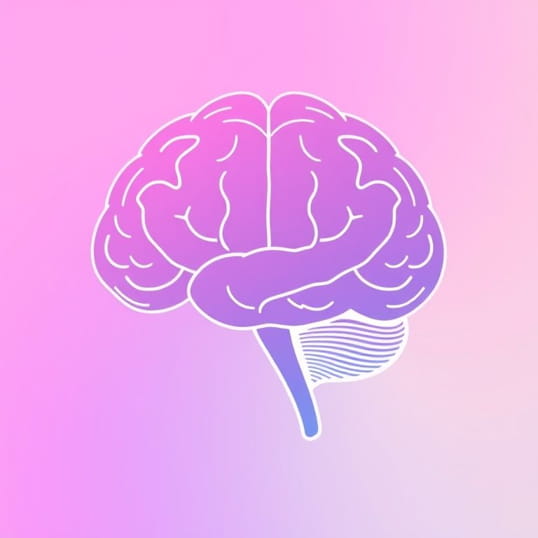
Function Of Gustatory Cortex
The human brain is a remarkable organ that interprets and processes a wide range of sensory information, from sight and sound to touch and taste. One of the less frequently discussed yet vital regions is the gustatory cortex, which is responsible for processing taste. This area allows us to distinguish sweet from sour, salty from bitter, and helps us enjoy the complexity of flavors in food and drink. The function of the gustatory cortex goes beyond simply recognizing taste it connects taste perception to memory, emotions, and even survival instincts. Understanding its role provides insight into how humans experience food, nutrition, and sensory pleasure on a deeper level.
Location of the Gustatory Cortex
The gustatory cortex is primarily located in the insular cortex and frontal operculum, both of which lie deep within the brain’s lateral sulcus. These regions work together to process taste signals sent from the tongue via cranial nerves. The positioning of the gustatory cortex close to other sensory and emotional processing areas emphasizes its importance in linking taste with feelings, decision-making, and physiological responses.
Pathway of Taste Signals
To better understand the function of the gustatory cortex, it is essential to look at how taste signals reach this region. The process begins with the taste buds located on the tongue and soft palate. These taste receptors detect chemicals in food and send electrical signals through cranial nerves such as
- Facial nerve (cranial nerve VII)Transmits signals from the anterior two-thirds of the tongue.
- Glossopharyngeal nerve (cranial nerve IX)Carries information from the posterior one-third of the tongue.
- Vagus nerve (cranial nerve X)Relays taste from the throat and epiglottis.
These signals then travel to the brainstem, through the thalamus, and finally reach the gustatory cortex, where the sensation of taste becomes consciously recognized and interpreted.
Main Functions of the Gustatory Cortex
The gustatory cortex plays several key roles that go beyond the simple act of tasting food. Some of the most important functions include
1. Identifying Taste Qualities
The most direct function of the gustatory cortex is identifying taste qualities such as sweet, salty, sour, bitter, and umami. This ability helps humans distinguish between nutrient-rich foods and potentially harmful substances. For example, sweetness often signals energy-rich sugars, while bitterness can indicate toxins.
2. Integrating Taste with Smell and Texture
Taste alone is limited, but when combined with smell and texture, it forms the complete experience of flavor. The gustatory cortex interacts with the olfactory cortex and somatosensory regions to integrate multiple senses. This integration explains why food tastes bland when someone has a blocked nose and why texture influences how we perceive a dish.
3. Emotional Response to Taste
The gustatory cortex has close connections with the limbic system, particularly the amygdala, which governs emotions. This explains why certain tastes can evoke powerful feelings or memories. For instance, the taste of a childhood dish may bring a strong sense of nostalgia, while bitter or unpleasant tastes may trigger avoidance and discomfort.
4. Role in Appetite and Food Preferences
Another significant function of the gustatory cortex is its involvement in regulating appetite and shaping food preferences. By processing the pleasure associated with certain flavors, the brain can reinforce dietary habits and cravings. This is why people may develop a preference for sweet desserts or spicy foods over time, as repeated experiences influence neural pathways.
5. Supporting Survival Mechanisms
Taste perception is closely tied to survival. The gustatory cortex ensures humans can detect harmful or spoiled foods, helping prevent ingestion of toxic substances. Sourness often indicates unripe or spoiled food, while salt detection is vital for electrolyte balance. The brain’s processing of these signals ensures individuals make safe and beneficial food choices.
Gustatory Cortex and Memory
The connection between taste and memory is another fascinating function of the gustatory cortex. Because it communicates with the hippocampus and other memory-related regions, a single taste can trigger vivid recollections of past events. This is sometimes referred to as taste-memory association, and it demonstrates how deeply integrated taste is with personal experiences and emotional life.
Disorders Related to the Gustatory Cortex
When the gustatory cortex or its neural pathways are damaged, taste perception can be significantly altered. Some conditions include
- AgeusiaComplete loss of taste perception.
- HypogeusiaReduced sensitivity to taste.
- DysgeusiaDistorted taste perception, often leading to unpleasant sensations like metallic or foul flavors.
These disorders may arise from neurological damage, infections, or certain medications. Understanding the function of the gustatory cortex helps medical professionals diagnose and treat such conditions more effectively.
Research on the Gustatory Cortex
Modern neuroscience continues to study how the gustatory cortex processes complex taste information. Research shows that taste perception is not merely about detecting flavors but involves dynamic networks in the brain that adapt based on diet, health, and even cultural influences. Studies using brain imaging have revealed that the gustatory cortex is activated not only by actual taste but also by anticipating food, highlighting its role in reward and motivation.
Interaction with Other Brain Regions
The gustatory cortex does not work in isolation. It interacts with several other regions that contribute to the complete sensory experience of taste
- Insular cortexPrimary processing of taste signals.
- Frontal operculumContributes to conscious taste perception.
- AmygdalaAdds emotional value to taste experiences.
- Orbitofrontal cortexIntegrates taste with reward and decision-making processes.
This interconnectedness explains why food influences mood, behavior, and decision-making so strongly.
Importance in Daily Life
The function of the gustatory cortex impacts everyday experiences, from enjoying a morning cup of coffee to avoiding spoiled food. Without it, the richness of flavor would be lost, and eating would become a purely mechanical act. It also plays a role in social and cultural practices, as taste often defines traditions, cuisines, and shared experiences around meals.
The gustatory cortex is far more than a taste-processing center. It identifies taste qualities, integrates multiple senses, connects flavor to emotions and memories, and influences appetite and survival. By shaping food preferences and linking taste with reward pathways, it enhances both biological survival and human culture. Exploring the function of the gustatory cortex shows how a seemingly simple sense like taste reflects the brain’s incredible ability to integrate body, mind, and experience into one seamless system.