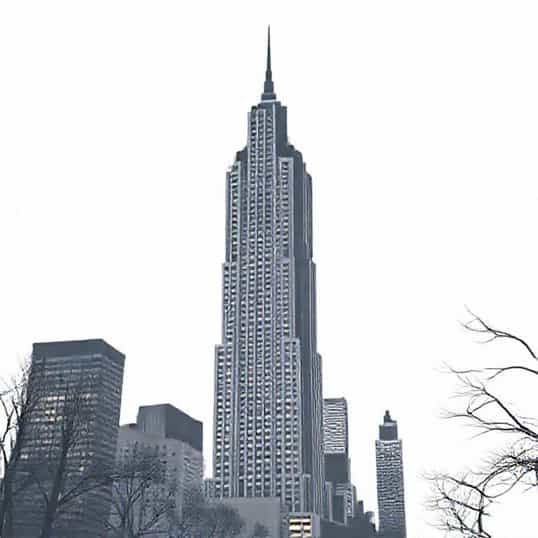
Frank Lloyd Wright Skyscraper
Frank Lloyd Wright is widely celebrated for his innovative approach to architecture, yet his vision for skyscrapers remains a fascinating and often overlooked aspect of his legacy. Wright’s approach to high-rise design challenged conventional ideas of vertical urban structures, emphasizing harmony with the environment, human-centered design, and a sense of organic flow. Unlike traditional skyscrapers that prioritize efficiency and rigid form, Wright’s concepts aimed to integrate aesthetic beauty with functional living and working spaces. His sketches, models, and theoretical proposals reveal a vision of cities that blend architectural innovation with human experience, making the idea of a Frank Lloyd Wright skyscraper a compelling study for both architects and enthusiasts.
The Vision Behind Wright’s Skyscrapers
Frank Lloyd Wright envisioned skyscrapers as more than just tall buildings; he saw them as expressions of organic architecture, where every line, proportion, and material choice contributed to a cohesive whole. He rejected the rigid grid systems and impersonal facades common in early 20th-century high-rises, instead proposing structures that embodied rhythm, natural materials, and attention to human scale. Wright believed that skyscrapers should not dominate the landscape in a sterile manner but should enhance it, creating a dialogue between architecture, nature, and society. This philosophy is evident in his most famous conceptual design, the Mile-High Illinois, which remains a visionary blueprint for vertical living.
Key Concepts in Wright’s Skyscraper Design
- Emphasis on organic architecture that integrates with the surrounding environment
- Human-centered spaces with open floor plans, natural light, and fluid circulation
- Vertical urbanism that balances density with aesthetic and environmental considerations
- Use of geometric forms to create visual harmony and structural efficiency
- Incorporation of terraces, green spaces, and communal areas to enhance quality of life
The Mile-High Illinois
Perhaps the most famous example of Wright’s skyscraper vision is the Mile-High Illinois, a theoretical building designed in the 1950s. Standing at 5,280 feet, the Mile-High Illinois was intended to house tens of thousands of residents in a self-contained vertical city. Wright imagined a structure that combined residential, commercial, and recreational spaces, organized in a way that promoted accessibility, community, and efficiency. Though never constructed, the design demonstrated Wright’s ability to push the boundaries of architecture, combining engineering ambition with his signature organic principles.
Features of the Mile-High Illinois
- Sky lobbies and transportation systems for efficient vertical movement
- Integration of green spaces and terraces throughout the vertical structure
- Residential, commercial, and cultural areas within one unified building
- Use of cantilevered sections to create dramatic overhangs and dynamic shapes
- Attention to natural light and airflow to enhance human comfort
Influence on Modern Skyscraper Design
Although Frank Lloyd Wright’s skyscrapers were mostly theoretical, his ideas have influenced modern high-rise architecture in significant ways. Concepts such as vertical urban communities, mixed-use towers, and the integration of natural elements into tall buildings can be traced back to his pioneering designs. Wright’s emphasis on human experience and visual harmony continues to inspire architects who seek to move beyond purely functional structures, blending innovation with livability. Elements like sky gardens, open atriums, and sustainable features in contemporary skyscrapers echo Wright’s vision of buildings as holistic, life-enhancing environments.
Legacy in Contemporary Architecture
- Inspiration for vertical cities and mixed-use developments
- Integration of terraces, sky gardens, and green roofs in modern towers
- Emphasis on natural light and open interior spaces for resident well-being
- Influence on aesthetic considerations, moving beyond mere functionality
- Continued fascination with ambitious conceptual designs that challenge engineering limits
Challenges of Realizing Wright’s Skyscrapers
While Wright’s skyscraper designs are celebrated for their visionary quality, they presented practical challenges that contributed to their largely conceptual status. Engineering limits, material constraints, and financial feasibility posed significant barriers to realizing projects like the Mile-High Illinois. Wright’s ambitious designs required innovative construction techniques and structural solutions that were ahead of their time. Nevertheless, his concepts remain important case studies for architects and engineers exploring the possibilities of vertical living and sustainable urban design, demonstrating the importance of imagination and daring in the evolution of skyscraper architecture.
Obstacles and Considerations
- Structural engineering challenges in supporting extreme heights
- Material limitations during the mid-20th century
- Financial and logistical constraints for megastructures
- Balancing human comfort with vertical density
- Ensuring safety and accessibility in large-scale designs
Philosophical and Aesthetic Principles
Wright’s approach to skyscrapers was rooted in his broader philosophy of organic architecture, which seeks harmony between human habitation and the natural world. He rejected the idea of tall buildings as cold, mechanical objects, advocating instead for forms that reflect life, proportion, and rhythm. Architectural elements such as terraces, windows, and cantilevered floors were designed to create a sense of openness and connection with the environment. Wright believed that skyscrapers could enhance urban life, offering spaces that nurture the mind, body, and spirit, rather than merely functioning as vertical containers for offices and apartments.
Core Principles of Wright’s Skyscraper Philosophy
- Integration with natural landscapes and surroundings
- Human-centric design emphasizing comfort, accessibility, and flow
- Dynamic geometric forms that evoke harmony and visual interest
- Use of terraces, atriums, and green spaces to connect people with nature
- Visionary ambition that pushes the boundaries of engineering and urban planning
The concept of a Frank Lloyd Wright skyscraper represents a remarkable intersection of vision, innovation, and human-centered design. Wright challenged conventional notions of vertical architecture, proposing structures that prioritized organic beauty, community, and environmental harmony. While many of his skyscraper designs remain theoretical, they continue to inspire architects, engineers, and urban planners to explore ambitious solutions that integrate aesthetics, functionality, and human experience. Wright’s skyscraper vision reminds us that architecture is not just about constructing buildings, but about imagining new possibilities for urban living, sustainable design, and the enhancement of human life within vertical environments. His legacy in skyscraper design demonstrates that creativity, boldness, and attention to the human spirit can redefine what cities and the buildings within them can become.