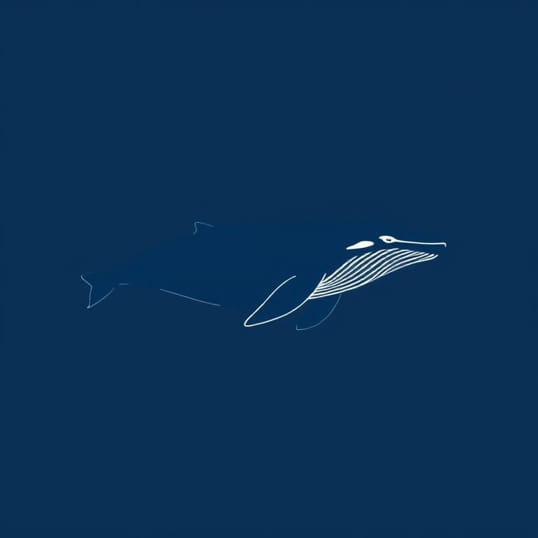
Facts About Humpback Whales
Humpback whales are among the most fascinating and majestic creatures in the ocean, known for their impressive size, acrobatic displays, and haunting songs that travel for miles underwater. These marine mammals belong to the baleen whale family and are recognized for their distinctive body shape, long pectoral fins, and knobbly heads. Humpback whales have captivated scientists, conservationists, and whale watchers alike, inspiring research, documentaries, and eco-tourism around the world. Learning key facts about humpback whales reveals their complex behaviors, migration patterns, social structures, and the critical role they play in marine ecosystems.
Physical Characteristics
Size and Weight
Humpback whales are large marine mammals, with adults typically ranging from 12 to 16 meters in length and weighing between 25 and 30 metric tons. Females are generally slightly larger than males. Despite their massive size, humpbacks are agile swimmers, capable of breaching and performing aerial maneuvers that display their strength and coordination.
Distinctive Features
Humpback whales have a robust, stocky body with a distinctive hump in front of their dorsal fin, which gives them their name. Their long pectoral fins, which can reach up to one-third of their body length, are unique among whales and aid in maneuverability. Their knobbly heads, covered in tubercles, house sensitive hair follicles that may help detect environmental changes and the presence of prey.
Coloration
Humpback whales generally have a dark gray or black dorsal surface with lighter undersides. Some individuals have unique white patterns on their flippers and tails, which researchers use for identification. These patterns, combined with scars and markings, provide a natural fingerprint that allows scientists to track individual whales across oceans.
Behavior and Social Structure
Breaching and Acrobatics
One of the most captivating behaviors of humpback whales is breaching, where the whale propels its massive body out of the water before crashing back down. Other acrobatic displays include tail slapping, fin slapping, and spyhopping, where whales lift their heads above the water to observe their surroundings. These behaviors may serve purposes such as communication, mating displays, or removal of parasites.
Communication and Songs
Humpback whales are famous for their complex songs, particularly males, who produce long sequences of vocalizations during the breeding season. These songs can last for hours and are thought to play a role in attracting mates and establishing social hierarchy. Each population has unique song patterns that can evolve over time, and these songs can travel across vast distances underwater.
Social Structure
Humpback whales are generally solitary or found in small groups called pods. These groups can form temporarily, especially around feeding grounds. Cooperation is observed during activities such as bubble-net feeding, where multiple whales work together to corral and catch schools of fish. Such social behaviors indicate a high level of intelligence and adaptability in these marine mammals.
Feeding and Diet
Baleen and Feeding Mechanism
Humpback whales are filter feeders that use baleen plates instead of teeth to capture food. They consume small fish, krill, and plankton by taking large mouthfuls of water and then pushing it out through the baleen, trapping their prey inside. This method allows them to efficiently consume large quantities of food necessary to sustain their massive bodies.
Bubble-Net Feeding
Bubble-net feeding is a cooperative hunting technique unique to humpback whales. A group of whales swims in a circle while blowing bubbles to form a net that traps schools of fish. Once the fish are concentrated, the whales swim upward with mouths open to capture large amounts of prey. This sophisticated feeding strategy demonstrates advanced social coordination and intelligence.
Migration and Habitat
Long-Distance Migrations
Humpback whales are known for some of the longest migrations of any mammal, traveling thousands of kilometers between feeding and breeding grounds. They typically spend summers in polar regions, where food is abundant, and migrate to tropical or subtropical waters during winter for breeding and calving. These journeys require incredible stamina and navigation skills.
Global Distribution
Humpback whales are found in oceans around the world, including the Atlantic, Pacific, and Southern Oceans. While they prefer coastal areas for breeding and feeding, they are highly migratory and can cross entire oceans during their seasonal movements. Different populations may exhibit unique migratory routes and timings, which researchers monitor to understand ecological patterns.
Reproduction and Lifespan
Breeding Behavior
Humpback whale breeding typically occurs in warm, tropical waters during the winter months. Males compete for female attention through displays such as singing and acrobatics. Females give birth to a single calf after an 11-12 month gestation period. Calves are nursed for several months, during which they grow rapidly and learn essential survival skills from their mothers.
Lifespan
Humpback whales have a lifespan of approximately 45 to 50 years in the wild. Longevity depends on factors such as predation, disease, environmental conditions, and human-related threats. Despite their size and strength, young whales face risks from predators like orcas and sharks, as well as challenges from ship strikes and entanglement in fishing gear.
Conservation and Threats
Historical Threats
Humpback whales were heavily hunted during the whaling era, which dramatically reduced their populations. International conservation measures and whaling bans have allowed many populations to recover, but historical exploitation left lasting impacts on genetic diversity and ecosystem dynamics.
Modern Threats
Despite protections, humpback whales still face threats from human activity. Ship strikes, entanglement in fishing gear, ocean pollution, and climate change all pose risks to their survival. Conservation organizations monitor populations, implement protective measures, and promote public awareness to ensure these whales continue to thrive.
Conservation Success
Humpback whales are considered a conservation success story in many regions. Population numbers have rebounded significantly due to international protection and habitat conservation efforts. Ecotourism and responsible whale-watching practices have further supported conservation by providing economic incentives for local communities to protect these iconic marine mammals.
Interesting Facts About Humpback Whales
- Humpback whales can weigh up to 30 metric tons, making them one of the largest baleen whales.
- They are known for their spectacular breaching and acrobatic behaviors.
- Males sing complex songs that can last up to 20 minutes and be heard for miles underwater.
- Bubble-net feeding is a cooperative technique unique to humpback whales.
- These whales undertake long migrations, traveling up to 16,000 kilometers annually.
- Calves are born around 4-5 meters long and gain weight rapidly through nursing.
- Humpback whale populations have recovered significantly due to international conservation efforts.
- Each whale has unique patterns on its tail flukes, allowing researchers to identify individuals.
- They play a vital role in marine ecosystems by influencing prey populations and nutrient cycles.
Humpback whales are remarkable marine mammals that captivate with their size, beauty, and behaviors. From their long migrations to cooperative feeding strategies and haunting songs, these whales demonstrate intelligence, adaptability, and social complexity. Understanding facts about humpback whales highlights their ecological importance, challenges they face, and the conservation efforts necessary to protect them. By appreciating and protecting these majestic creatures, humans can ensure that humpback whales continue to thrive in the worlds oceans for generations to come.