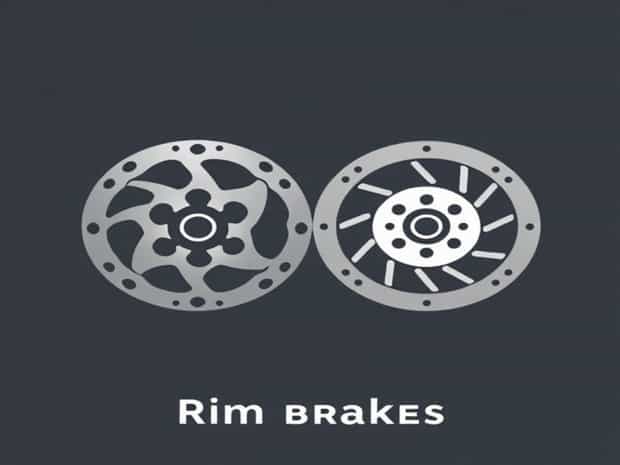
Disc Brakes Vs Rim Brakes
When choosing a bicycle, one of the most debated topics is whether to go with disc brakes or rim brakes. Both braking systems have their advantages and disadvantages, and the decision often depends on the type of riding, terrain, and personal preference. Cyclists often ask which is better for stopping power, maintenance, cost, and performance in different weather conditions. Understanding the differences between disc brakes and rim brakes can help riders make a more informed decision that suits their needs on the road or the trail.
How Rim Brakes Work
Rim brakes are the traditional braking system used on bicycles for decades. They work by applying pressure directly to the wheel’s rim through brake pads. When the rider pulls the brake lever, the pads squeeze the rim, creating friction that slows down the bike. This system is simple, lightweight, and relatively inexpensive compared to other options.
Advantages of Rim Brakes
- Lightweight design, making them popular for road bikes focused on speed.
- Lower cost, both in initial purchase and replacement parts.
- Simple to maintain, requiring minimal tools and mechanical knowledge.
- Effective on flat terrain and in dry conditions.
Disadvantages of Rim Brakes
- Reduced performance in wet or muddy conditions, where rims become slippery.
- Wear and tear on wheel rims over time, leading to costly replacements.
- Less consistent braking on steep descents.
- Not as powerful as disc brakes when stopping a heavily loaded bike.
How Disc Brakes Work
Disc brakes operate differently by applying braking force to a rotor attached to the hub of the wheel. The caliper squeezes brake pads against the rotor to create friction, slowing the bike. This system is similar to what is found in motorcycles and cars, providing stronger and more controlled braking power.
Types of Disc Brakes
- Mechanical disc brakesOperated by a cable system, similar to rim brakes but with a disc rotor instead of the rim.
- Hydraulic disc brakesUse fluid pressure for smoother and more powerful braking, offering better modulation and less hand fatigue.
Advantages of Disc Brakes
- Superior stopping power in all conditions, especially rain and mud.
- Do not wear down the wheel rims, extending the life of the wheels.
- Better performance on steep descents and when carrying extra weight.
- Offer more consistent braking and improved modulation.
Disadvantages of Disc Brakes
- Heavier than rim brakes, adding weight to the bike.
- More expensive to purchase and maintain.
- Complex setup and adjustments, especially for hydraulic systems.
- Potential for rotor warping if overheated or damaged.
Disc Brakes vs Rim Brakes Performance in Different Conditions
The real test between disc brakes and rim brakes often comes down to riding conditions. While rim brakes perform adequately in dry, flat environments, disc brakes shine in challenging situations where control and reliability matter most.
Wet Weather
Disc brakes maintain strong stopping power even in heavy rain. Rim brakes, on the other hand, tend to slip until the pads can clear the water from the rim, leading to delayed braking response.
Mountain and Off-Road Riding
For mountain bikers and gravel riders, disc brakes are the preferred choice. Mud, dirt, and steep descents demand powerful and reliable braking that rim brakes cannot consistently provide. Disc brakes handle these conditions with ease, making them standard for modern mountain bikes.
Road Cycling
Rim brakes remain popular among competitive road cyclists due to their lighter weight and aerodynamic design. However, disc brakes are becoming more common on road bikes as riders seek improved control and safety, particularly on long descents and in unpredictable weather.
Maintenance and Durability
Maintenance is another key factor when comparing disc brakes vs rim brakes. While rim brakes are straightforward and easy to adjust, disc brakes require more specialized knowledge and tools.
Rim Brake Maintenance
- Brake pads need replacing regularly as they wear down quickly.
- Wheel rims eventually wear out and may need replacement.
- Adjustments are simple and can often be done at home without special tools.
Disc Brake Maintenance
- Hydraulic systems may need occasional bleeding to remove air bubbles.
- Rotors can warp and require truing or replacement.
- Pads last longer than rim brake pads but are more costly to replace.
Cost Comparison
Price plays an important role when deciding between disc brakes vs rim brakes. Rim brakes are budget-friendly and remain the most common choice for entry-level bikes. Disc brakes, particularly hydraulic systems, increase the overall cost of a bike and its upkeep. However, many riders consider the added performance worth the investment, especially for demanding rides.
Weight and Speed Considerations
For cyclists who prioritize speed, such as competitive road riders, every gram of weight matters. Rim brakes are significantly lighter, giving them an edge in weight-conscious racing scenarios. However, the additional safety and control provided by disc brakes may outweigh the weight penalty for endurance riders and commuters.
Which Braking System Should You Choose?
The choice between disc brakes and rim brakes ultimately depends on riding style and personal priorities. Both systems are capable of bringing a bike to a stop, but their strengths lie in different areas.
When Rim Brakes Are Better
- For riders focused on lightweight bikes and speed.
- For those riding primarily in dry climates and on paved roads.
- For budget-conscious cyclists seeking lower maintenance costs.
When Disc Brakes Are Better
- For riders frequently cycling in rain, mud, or off-road conditions.
- For mountain bikers, gravel riders, and touring cyclists.
- For those prioritizing control, safety, and consistent braking power.
The debate of disc brakes vs rim brakes is not about which system is universally better, but which is best for your riding needs. Rim brakes offer simplicity, affordability, and lightweight performance, making them excellent for traditional road cycling. Disc brakes, on the other hand, provide unmatched stopping power, durability, and reliability in all weather and terrain, making them the modern standard for many bikes. By weighing the pros and cons, cyclists can select the system that enhances their riding experience and matches their cycling goals.