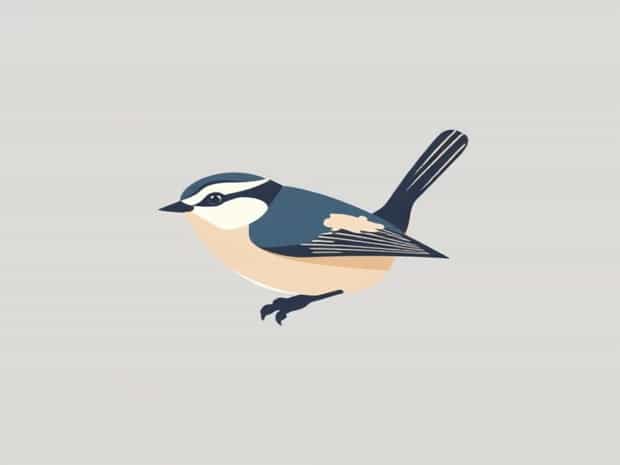
Difference Between Nuthatch And Titmouse
Birdwatching offers an opportunity to observe the fascinating diversity of avian life, and among backyard and forest birds, nuthatches and titmice are often highlighted for their unique behaviors and characteristics. While these small, agile birds share some similarities, they belong to different families and exhibit distinct behaviors, appearances, and ecological roles. Understanding the differences between nuthatches and titmice can enrich the experience of nature enthusiasts, improve identification skills, and foster a greater appreciation for avian biodiversity. By examining their physical traits, feeding habits, vocalizations, and habitats, birdwatchers can distinguish between these two intriguing species with confidence.
Overview of Nuthatches
Nuthatches are small passerine birds belonging to the family Sittidae. They are well-known for their remarkable ability to climb down trees headfirst, a behavior that sets them apart from most other birds. Nuthatches are highly adaptable and are often found in wooded areas, particularly in forests with mature trees, where they search for insects and seeds. These birds have compact bodies, short tails, and strong feet that allow them to cling to bark and forage efficiently on tree trunks and branches.
Key Characteristics of Nuthatches
- Physical traitsTypically small, with a compact body, short tail, and strong legs and feet. Many species feature a distinctive black or dark stripe through the eyes.
- BehaviorKnown for climbing both up and down tree trunks, often moving headfirst down the bark to search for hidden insects.
- DietPrimarily insects, seeds, and nuts. They are known to wedge nuts into bark crevices to hammer them open.
- VocalizationsHigh-pitched, sharp calls, often described as yank-yank or twit-twit.
- HabitatPrefer mature forests and woodlands, but can also visit feeders in suburban areas.
Nuthatches are highly territorial during breeding seasons and are known for their agile movements and bold foraging strategies. The red-breasted nuthatch and white-breasted nuthatch are among the most familiar species in North America, each displaying variations in coloration and size, but sharing common behavioral traits that make them recognizable to bird enthusiasts.
Overview of Titmice
Titmice, belonging to the family Paridae, are also small passerine birds but differ from nuthatches in their behaviors, physical traits, and ecological niches. Titmice are known for their active, inquisitive nature and are frequently observed flitting among tree branches, shrubs, and feeders. They are social birds, often seen in mixed-species flocks outside the breeding season. Titmice are particularly recognizable due to their crested heads, which give them a distinctive appearance compared to the more streamlined look of nuthatches.
Key Characteristics of Titmice
- Physical traitsSmall, with a plump body, relatively long tail, and prominent crest on the head. Plumage is usually gray with lighter underparts.
- BehaviorActive and acrobatic, moving quickly among branches. They do not climb down tree trunks headfirst like nuthatches.
- DietOmnivorous, feeding on insects, seeds, berries, and occasionally small invertebrates.
- VocalizationsLoud, musical calls, often described as peter-peter or chick-a-dee patterns in some species.
- HabitatCommon in woodlands, parks, and gardens, frequently visiting bird feeders in winter months.
Common examples include the tufted titmouse in North America and the blue tit in Europe. Titmice are notable for their bold, social behavior, often appearing at feeders alongside chickadees and other small birds. Their crested heads and energetic movements make them easy to distinguish in the field.
Differences in Physical Appearance
One of the most apparent differences between nuthatches and titmice is physical appearance. Nuthatches have a compact, streamlined body, short tails, and a characteristic eye stripe. In contrast, titmice are plumper, often with a pronounced crest, and longer tails. While nuthatches exhibit subtle coloration often blending with tree bark, titmice display more noticeable gray or blue-gray plumage with contrasting underparts. These visual distinctions aid birdwatchers in identifying the species at a glance.
- NuthatchCompact body, short tail, eye stripe, bark-colored plumage.
- TitmousePlump body, longer tail, crest on head, gray or blue-gray plumage.
Differences in Behavior and Movement
Nuthatches and titmice also differ in their movement patterns and foraging techniques. Nuthatches are famous for climbing both up and down tree trunks, often headfirst, using their strong feet to cling to bark. Titmice, however, move energetically among branches and foliage, rarely descending trunks in a head-first manner. Their social behaviors also contrast titmice are more gregarious and frequently join mixed-species flocks, while nuthatches are more territorial and often seen alone or in pairs outside of the breeding season.
Differences in Vocalizations
Another distinguishing feature is vocalization. Nuthatches produce sharp, high-pitched calls, useful for communication over short distances in dense forest habitats. Titmice have louder, musical, and more complex vocalizations, often involving sequences of notes or chick-a-dee calls that serve both social and alarm functions. Understanding these vocal differences can help birdwatchers identify these species even when visual confirmation is difficult.
Differences in Habitat and Feeding
While both species inhabit wooded areas, their preferences and feeding habits show subtle differences. Nuthatches prefer mature forests with large trees, where they forage for insects hidden in bark or crevices, and store seeds and nuts. Titmice are more versatile, frequently visiting parks, gardens, and suburban areas. Their diet is omnivorous, including insects, seeds, berries, and sometimes small fruits. Titmice’s social foraging patterns contrast with the more solitary behavior of nuthatches, highlighting ecological and behavioral distinctions.
Although nuthatches and titmice are small, agile birds that share some habitat similarities, they differ significantly in physical appearance, behavior, vocalizations, and ecological roles. Nuthatches are compact, striped, and headfirst tree climbers with sharp calls and a preference for mature forests. Titmice are plump, crested, highly social birds with musical vocalizations, frequently visiting feeders and foraging among branches. Recognizing these differences allows birdwatchers and nature enthusiasts to identify these species accurately, appreciate their unique behaviors, and understand the roles they play in their respective ecosystems. Observing nuthatches and titmice not only enriches the birdwatching experience but also deepens appreciation for the diversity and adaptability of small forest and garden birds.