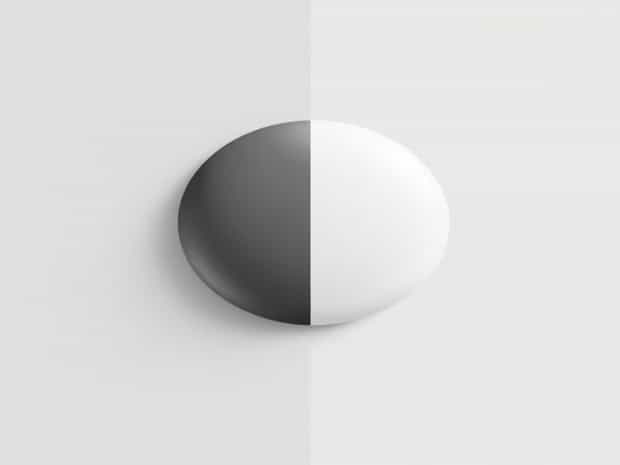
Difference Between Glossy And Matte
When choosing surfaces for photography, printing, interior design, or even consumer products, the terms glossy” and “matte” often come into play. These two types of finishes have distinct visual and tactile qualities that affect appearance, functionality, and user experience. While many people casually refer to something as either glossy or matte without fully understanding the differences, knowing the characteristics of each can help make better decisions in various applications, from printing photographs to selecting wall paints or smartphone screens. This topic explores the difference between glossy and matte in depth, covering their properties, advantages, disadvantages, and ideal uses.
What is Glossy?
Glossy refers to a surface that is shiny, reflective, and smooth to the touch. Glossy finishes are designed to reflect light, creating a bright and polished look. This reflective quality makes colors appear more vibrant and images more striking, which is why glossy surfaces are commonly used in photography, advertising, and packaging. The smoothness of glossy surfaces also allows for easy cleaning and adds a premium feel to products.
Characteristics of Glossy Finishes
- High reflectivity Glossy surfaces reflect light, making them appear bright and eye-catching.
- Smooth texture They feel sleek and polished to the touch.
- Vivid colors Colors appear richer and more saturated on glossy surfaces.
- Easy cleaning The smooth surface can often be wiped clean easily.
- Prone to glare The reflective quality can cause glare under strong light.
Common Uses of Glossy Finishes
Glossy finishes are popular in many industries due to their vibrant and polished appearance. Examples include
- Photography prints Glossy prints enhance colors and contrast, making images stand out.
- Advertising materials Brochures, flyers, and posters often use glossy paper to attract attention.
- Consumer electronics Phones, tablets, and TVs with glossy screens offer sharper visuals.
- Automotive finishes Glossy paint on cars provides a sleek, luxurious look.
- Packaging Products like cosmetics or food often use glossy packaging to appeal to customers.
What is Matte?
Matte refers to a surface that is non-reflective, smooth, and often has a subtle texture. Unlike glossy surfaces, matte finishes diffuse light instead of reflecting it directly, resulting in a soft, understated look. Matte surfaces reduce glare, making them easier to view under bright light. This type of finish is valued for its sophistication, modern aesthetic, and practicality in situations where reflections might be distracting or undesirable.
Characteristics of Matte Finishes
- Low reflectivity Matte surfaces do not reflect light sharply, reducing glare and reflections.
- Soft texture They often feel slightly textured or velvety to the touch.
- Subdued colors Colors may appear softer and less vibrant than on glossy surfaces.
- Scratch resistance Matte finishes often hide fingerprints, smudges, and minor scratches better than glossy finishes.
- Professional appearance Matte provides a more sophisticated, understated look.
Common Uses of Matte Finishes
Matte finishes are widely used in applications where glare reduction, durability, or subtlety is important
- Photography prints Matte prints reduce glare and are ideal for framing under glass.
- Interior design Matte paints and wall finishes create soft, elegant aesthetics.
- Consumer electronics Matte screens reduce fingerprints and reflections.
- Packaging Matte packaging can convey luxury and sophistication for products like perfumes or designer items.
- Printed materials Business cards and brochures with matte finishes are often chosen for a professional, understated look.
Key Differences Between Glossy and Matte
While both glossy and matte finishes serve important purposes, understanding their differences can guide decisions for design, printing, and product choices. Here are the main distinctions
1. Reflectivity
- Glossy Highly reflective and shiny, can produce glare under direct light.
- Matte Non-reflective, softens light and reduces glare.
2. Color Appearance
- Glossy Colors appear vibrant and more saturated.
- Matte Colors are softer and more muted.
3. Texture and Feel
- Glossy Smooth and sleek to the touch.
- Matte Slightly textured or velvety, creating a tactile quality.
4. Durability and Maintenance
- Glossy Easier to clean but shows fingerprints, dust, and scratches more easily.
- Matte More resistant to fingerprints and scratches, but can be harder to clean if stained.
5. Visual Impact and Style
- Glossy Bold, vibrant, and attention-grabbing, ideal for marketing or display purposes.
- Matte Elegant, understated, and professional, suitable for subtlety or long-term aesthetics.
Choosing Between Glossy and Matte
Choosing the right finish depends on the intended purpose, lighting conditions, and personal preference. Glossy finishes are best when vibrancy, shine, and visual impact are priorities, while matte finishes excel in reducing glare, hiding imperfections, and providing a professional or sophisticated look. For example, photographers may choose glossy paper for high-contrast images and matte paper for art prints that need to be framed under glass. Similarly, product designers may use glossy finishes to make packaging pop on store shelves, while matte finishes can give a premium feel for luxury items.
Practical Examples
- Photography Glossy prints make landscapes and vibrant portraits pop, while matte prints offer glare-free viewing in bright rooms.
- Interior design Glossy paint can make small spaces look larger due to reflection, whereas matte walls provide a calm, modern atmosphere.
- Electronics Glossy screens enhance color but attract fingerprints, while matte screens reduce glare and are easier to view in sunlight.
- Packaging Glossy labels catch the eye quickly in retail environments, whereas matte packaging communicates luxury and subtlety.
the difference between glossy and matte finishes lies in reflectivity, color vibrancy, texture, and functional qualities. Glossy surfaces are shiny, reflective, and vibrant, making them ideal for applications requiring visual impact, while matte surfaces are non-reflective, softer in color, and more subtle, offering glare reduction and a professional aesthetic. By understanding these distinctions, consumers, designers, and professionals can make informed choices that enhance both appearance and functionality in photography, printing, product design, and interior decoration.