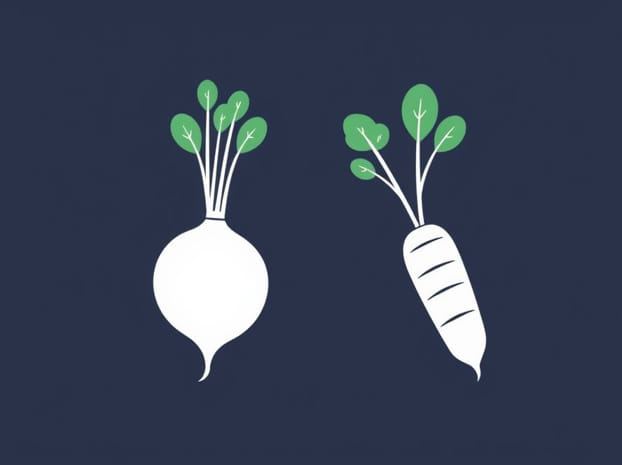
Daikon Radish Vs Parsnip
Root vegetables are an essential part of a balanced diet, providing vitamins, minerals, and dietary fiber while being low in calories. Among these vegetables, daikon radish and parsnip are often compared due to their similar appearance, but they differ significantly in flavor, nutritional content, and culinary uses. Understanding the differences and similarities between daikon radish vs parsnip can help home cooks, nutrition enthusiasts, and anyone exploring healthy eating make informed choices about how to incorporate these vegetables into meals. Both vegetables have unique characteristics that make them versatile and nutritious additions to various dishes.
Origin and Botanical Background
Daikon radish, scientifically known as Raphanus sativus var. longipinnatus, is a root vegetable commonly grown in East Asia. It has a long, white, cylindrical root and a crisp texture. Daikon is often used in Japanese, Korean, and Chinese cuisine, appearing in salads, pickles, soups, and stews. It thrives in cooler climates and is harvested during the fall and winter months for its mild flavor.
Parsnip, or Pastinaca sativa, is a root vegetable native to Europe and Western Asia. It has a cream-colored, tapered root that resembles a pale carrot and is known for its sweet, nutty flavor. Parsnips have been cultivated for centuries and were a staple food before the widespread availability of potatoes. They grow well in temperate climates and are typically harvested after the first frost, which enhances their natural sweetness.
Appearance and Texture
While daikon radish and parsnip may look somewhat similar, there are noticeable differences in size, shape, and texture. Daikon radishes are generally larger and longer than parsnips, with a smooth white exterior and crisp, juicy flesh. They are firm but have a high water content, giving them a refreshing bite when eaten raw or lightly cooked.
Parsnips are usually shorter and thicker than daikon, with a cream or pale beige color. Their texture is denser and starchier, which allows them to hold up well to roasting, mashing, and baking. When cooked, parsnips become tender and slightly sweet, making them suitable for hearty dishes and comfort foods.
Flavor Profile
The flavor of daikon radish vs parsnip differs significantly. Daikon radish has a mild, slightly peppery taste that can be refreshing in raw dishes. Its subtle heat can add depth to salads, slaws, and pickles, and it absorbs the flavors of marinades and sauces well. When cooked, daikon becomes sweeter and softer, but it retains a light, crisp undertone.
Parsnips, in contrast, have a naturally sweet and nutty flavor. Their sweetness intensifies when roasted or baked, and they pair well with spices such as cinnamon, nutmeg, and cloves. Parsnips are often used in soups, stews, purees, and roasted vegetable medleys, providing a warm, earthy flavor that contrasts with the crispness of daikon.
Nutritional Comparison
Both daikon radish and parsnip are nutritious, but they offer different benefits. Daikon is low in calories and carbohydrates, making it suitable for low-calorie and low-carb diets. It is high in vitamin C, potassium, and folate, and contains enzymes that may aid digestion. The high water content of daikon helps with hydration and adds bulk to meals without significantly increasing calories.
Parsnips are higher in calories and carbohydrates compared to daikon, mainly due to their natural sugars. They are an excellent source of dietary fiber, vitamin C, vitamin K, folate, and minerals such as manganese and potassium. Parsnips provide sustained energy due to their starch content and contribute to satiety, making them ideal for hearty meals.
Calorie and Macronutrient Overview (per 100 grams)
- Daikon radish 18 calories, 4 grams carbohydrates, 0.1 grams fat, 0.6 grams protein
- Parsnip 75 calories, 18 grams carbohydrates, 0.3 grams fat, 1.2 grams protein
Culinary Uses
Daikon radish is versatile in both raw and cooked dishes. In Asian cuisine, it is often sliced thinly for salads, pickled for condiments, or simmered in soups and stews. It can also be grated and used as a garnish, providing freshness and slight spiciness. Daikon’s crisp texture and mild flavor make it suitable for light, refreshing dishes.
Parsnips are more commonly cooked, as their sweet flavor and starchy texture shine in roasted, mashed, or baked dishes. They are excellent when paired with root vegetables like carrots and potatoes, and they add depth to soups and stews. Parsnips can also be pureed into creamy side dishes or incorporated into baked goods for natural sweetness.
Popular Recipes
- Daikon Radish Pickled daikon, daikon salad with sesame dressing, simmered daikon in miso soup
- Parsnip Roasted parsnip wedges, parsnip and carrot mash, creamy parsnip soup
Health Benefits
Daikon radish and parsnip both offer health benefits, though in different ways. Daikon is low in calories and rich in antioxidants, supporting immune health and digestion. Its high water content helps with hydration, and its natural enzymes can promote digestive health. Regular consumption of daikon may also help support heart health due to its potassium content.
Parsnips provide more energy and satiety due to their carbohydrate and fiber content. They are rich in antioxidants and phytonutrients that may reduce inflammation and support overall health. The fiber in parsnips aids digestion and promotes a feeling of fullness, while vitamins and minerals contribute to immune function, bone health, and cardiovascular wellness.
Storage and Preparation
Daikon radish should be stored in a cool, dry place or refrigerated in a plastic bag to maintain crispness. It can last up to two weeks when properly stored. Parsnips are best kept in the refrigerator, preferably in a perforated plastic bag or a vegetable drawer, where they can stay fresh for up to three to four weeks. Both vegetables should be washed and peeled before cooking or consumption, though young daikon may be tender enough to eat with skin intact.
Preparation Tips
- Daikon Peel if skin is tough, slice or julienne for salads, cook in soups or stews for mild sweetness.
- Parsnip Peel thick skin, chop or slice for roasting, mash, or include in soups for natural sweetness.
- Both Can be spiralized for low-carb alternatives to pasta or noodles.
Daikon radish vs parsnip are two distinct root vegetables that provide unique flavors, textures, and nutritional benefits. Daikon is crisp, mild, and low in calories, making it suitable for light, refreshing dishes. Parsnips are sweet, starchy, and nutrient-rich, ideal for hearty, comforting meals. Understanding their differences allows cooks and nutrition enthusiasts to choose the best vegetable for their dietary needs and culinary applications. Incorporating both daikon and parsnips into a balanced diet can provide variety, flavor, and valuable nutrients, enhancing overall health and enjoyment of meals.
In summary, while daikon radish and parsnip may appear similar at first glance, they serve different purposes in the kitchen and offer unique health benefits. Daikon is perfect for those seeking low-calorie, hydrating vegetables, whereas parsnips provide energy, fiber, and sweetness for more robust dishes. Appreciating the qualities of each root vegetable ensures versatile cooking options and supports a nutritious, flavorful diet.