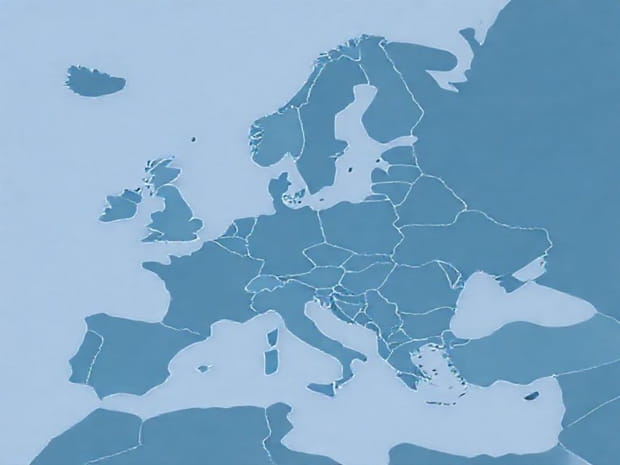
Countries In Germanic Europe
Germanic Europe is a region shaped by a rich history, diverse cultures, and shared linguistic roots that trace back to the ancient Germanic tribes. This part of Europe includes countries where Germanic languages dominate, such as German, Dutch, English, Danish, Swedish, and Norwegian. The countries in Germanic Europe have played significant roles in European history, from the medieval period through the Renaissance, and into modern times. Their influence on art, science, philosophy, and politics has left a lasting legacy across the continent and beyond. The cultural and social traditions of these nations also provide a fascinating glimpse into the lives of people who have long valued education, craftsmanship, and innovation.
Germany
Germany stands at the heart of Germanic Europe, both geographically and culturally. With a population exceeding 80 million, it is the continent’s largest economy and a major player in European and global politics. Germany’s history is complex, from the Holy Roman Empire to its unification in 1871, and later its division during the Cold War. The country is known for its cultural contributions in literature, philosophy, music, and science. Cities like Berlin, Munich, and Hamburg are hubs of cultural exchange, blending historic traditions with modern innovation. German engineering, automotive industries, and technological advancements also highlight the nation’s global influence.
Culture and Society
German culture emphasizes discipline, efficiency, and education. Traditional festivals such as Oktoberfest and Christmas markets showcase regional customs. Germany’s strong support for arts and humanities is evident in its museums, theaters, and universities. Social welfare programs reflect a commitment to community well-being, while a love for football and local cuisine, including bratwurst and pretzels, represents the everyday culture of its people.
Netherlands
The Netherlands, often referred to as Holland, is a country known for its flat landscapes, windmills, tulip fields, and extensive canal systems. Dutch society has long been associated with trade, exploration, and innovation, dating back to the Dutch Golden Age in the 17th century. The Netherlands is a constitutional monarchy and a founding member of the European Union. Its population enjoys a high standard of living, strong infrastructure, and progressive social policies.
Language and Heritage
Dutch, the official language, belongs to the West Germanic language group. The Netherlands is known for its vibrant arts scene, historic cities such as Amsterdam and Rotterdam, and famous painters like Rembrandt and Van Gogh. Cycling culture, cheese markets, and international trade continue to shape the country’s identity, making it a key player in European and global affairs.
Denmark
Denmark, located in Northern Europe, is one of the oldest monarchies in the world. Its Viking heritage significantly influenced the cultural and linguistic development of Germanic Europe. Denmark is known for its high standard of living, social welfare systems, and commitment to sustainability. The country’s capital, Copenhagen, blends historic architecture with modern design, reflecting Denmark’s innovative spirit.
Traditions and Lifestyle
Danish culture emphasizes simplicity, community, and happiness, often described through the concept of hygge, which refers to coziness and contentment. Traditional foods such as smørrebrød and pastries are popular, while festivals like Roskilde and Aarhus offer insights into Danish music and arts. Denmark also takes pride in its renewable energy initiatives, particularly wind power, reinforcing its role as a leader in environmental sustainability.
Sweden
Sweden, located on the Scandinavian Peninsula, is known for its vast forests, lakes, and innovative urban centers. Swedish society values equality, education, and social welfare. The country has a long history of neutrality in international conflicts and has contributed to global advancements in technology, design, and medicine. Stockholm, Gothenburg, and Malmö are key cultural and economic hubs, combining historical significance with modern innovation.
Language and Contributions
Swedish, a North Germanic language, connects Sweden to its Scandinavian neighbors. Sweden has a strong tradition in music, literature, and film, alongside a thriving tech industry. Swedish companies, such as Volvo and Spotify, highlight the nation’s ability to combine creativity with functionality. Traditional customs, including Midsummer celebrations and fika coffee breaks, reflect the country’s appreciation for community and leisure.
Norway
Norway, also part of Scandinavia, is renowned for its dramatic fjords, mountains, and coastal landscapes. The country’s history includes Viking explorations that influenced much of Europe. Today, Norway is known for its high quality of life, strong social welfare system, and commitment to environmental preservation. Oslo, Bergen, and Trondheim are notable for their cultural heritage and modern infrastructure.
Society and Economy
Norwegian society values equality, nature, and outdoor activities. Fishing, oil production, and maritime industries drive the economy. Cultural traditions include folk music, Sami heritage, and national celebrations such as Constitution Day. Norway’s emphasis on renewable energy and environmental conservation demonstrates its forward-thinking approach to global challenges.
Austria
Austria, while primarily German-speaking, is geographically central in Europe and known for its artistic and musical heritage. Vienna, Salzburg, and Innsbruck are celebrated for classical music, architecture, and historic sites. Austria has a rich history shaped by the Habsburg monarchy, imperial culture, and its role in European politics. Tourism, manufacturing, and service industries contribute significantly to its economy.
Culture and Language
Austrian German reflects regional dialects and traditions. The country is famous for classical composers such as Mozart and Strauss, as well as coffeehouse culture and culinary specialties like Wiener schnitzel and Sachertorte. Austrian festivals, opera, and art exhibitions continue to attract international attention, maintaining the nation’s reputation as a cultural hub in Germanic Europe.
Other Germanic Countries
Beyond the major nations, smaller countries such as Iceland, Liechtenstein, and Luxembourg also belong to the Germanic Europe group. Iceland’s Norse heritage and dramatic landscapes, Liechtenstein’s alpine traditions, and Luxembourg’s multilingual society reflect the diversity within Germanic Europe. These countries contribute uniquely to regional stability, cultural richness, and economic development.
Language and Influence
- Icelandic preserves ancient Norse language and literature.
- Liechtenstein combines Germanic traditions with modern economic policies.
- Luxembourg uses German as one of its official languages and bridges cultural influences between Germany, France, and Belgium.
Countries in Germanic Europe share linguistic, cultural, and historical ties that shape their identities. From Germany’s central role in politics and economy to the Scandinavian focus on equality and sustainability, each nation contributes distinctively to the region. The combination of historical depth, cultural richness, and modern innovation makes Germanic Europe a vital and fascinating part of the continent. Travelers, historians, and researchers alike find the countries of this region compelling for their traditions, achievements, and ongoing influence in Europe and beyond.