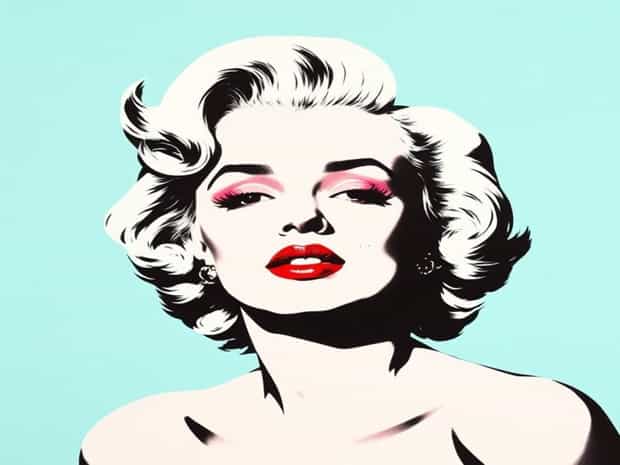
Marilyn Monroe Andy Warhol
The collaboration between Marilyn Monroe and Andy Warhol represents one of the most iconic intersections of pop culture and contemporary art in the 20th century. Marilyn Monroe, a legendary actress and symbol of glamour, and Andy Warhol, the pioneering figure behind the Pop Art movement, created a cultural dialogue that continues to influence art, fashion, and media today. Warhol’s fascination with celebrity culture and Monroe’s status as an enduring icon of beauty and fame resulted in artworks that blurred the line between commercial imagery and fine art. Their connection, while indirect in personal interaction, reshaped perceptions of art, media, and celebrity, highlighting how public figures could become both subject and symbol in modern visual culture.
The Rise of Marilyn Monroe
Marilyn Monroe emerged in the 1950s as one of Hollywood’s most celebrated actresses, known for her charm, charisma, and unforgettable performances. She starred in a variety of films, from romantic comedies to dramatic roles, captivating audiences worldwide. Monroe’s persona extended beyond the screen; her image became synonymous with glamour, beauty, and the mystique of celebrity. As a cultural figure, she embodied the fantasies and aspirations of a generation, creating a public identity that was both admired and scrutinized. This complex interplay between her real life and public persona made her an ideal subject for artists like Andy Warhol, who were interested in exploring the relationship between fame and visual representation.
Andy Warhol and the Pop Art Movement
Andy Warhol was a leading figure in the Pop Art movement, a style that celebrated popular culture, mass media, and consumerism. Born in Pittsburgh in 1928, Warhol initially worked as a commercial illustrator before shifting to fine art. His approach challenged traditional notions of artistic originality, often using mechanical reproduction techniques like silkscreen printing to create bold, colorful works. Warhol’s fascination with celebrities, everyday objects, and media imagery allowed him to comment on contemporary society while elevating commonplace subjects into high art. His work reflected the intersection of art, commerce, and celebrity, making Marilyn Monroe a natural subject for his exploration of fame and mass culture.
Warhol’s Marilyn Monroe Series
Following Marilyn Monroe’s untimely death in 1962, Andy Warhol created a series of silkscreen portraits that would become some of his most famous works. The series, often referred to as Marilyn Diptych, featured multiple repeated images of Monroe’s face, derived from publicity stills of her role in the film Niagara. Warhol applied vivid, sometimes jarring colors to the portraits, emphasizing both the glamour and the tragic aspects of her life. The repetition of her image reflected the mass production of celebrity culture, transforming Monroe from an individual into a universally recognizable icon. Warhol’s technique blurred the boundaries between art and media, turning a photograph into a commentary on fame, mortality, and visual consumption.
Symbolism and Cultural Impact
The Marilyn Monroe portraits by Andy Warhol symbolize the tension between individuality and mass media representation. By repeating Monroe’s image in bright, contrasting colors, Warhol highlighted the commercialization and replication of celebrity personas. These artworks also underscored the fleeting nature of fame, as Monroe’s vibrant public image was contrasted with the reality of her personal struggles. Warhol’s portraits became emblematic of an era in which celebrity culture was being commodified and consumed by a wide audience. The artworks not only immortalized Monroe’s image but also questioned society’s obsession with fame, beauty, and media spectacle.
Techniques and Artistic Approach
Warhol employed silkscreen printing, a method that allowed him to create multiple copies of the same image quickly. This technique aligned with his interest in mass production and consumer culture, echoing the repetitive nature of advertising and media imagery. Warhol’s use of bold, contrasting colors gave the portraits a sense of energy and immediacy, while variations in color and composition made each piece unique. By manipulating a single photographic source, Warhol transformed an ordinary publicity image into a work of high art, demonstrating how technique, context, and cultural symbolism can elevate everyday objects and figures into iconic status.
Reception and Influence
Warhol’s Marilyn Monroe artworks received widespread attention and have become some of the most celebrated pieces in modern art history. Critics praised the way Warhol captured the essence of celebrity while challenging traditional notions of portraiture and artistic originality. The series influenced generations of artists, photographers, and designers who explored themes of fame, media, and cultural consumption. Monroe’s image, as interpreted by Warhol, remains a powerful symbol in contemporary culture, appearing in galleries, exhibitions, fashion campaigns, and popular media. The works underscore the enduring relationship between art, celebrity, and society, demonstrating how visual culture can reflect and shape public perception.
Legacy of the Monroe-Warhol Connection
The collaboration between Marilyn Monroe’s image and Andy Warhol’s artistic vision has left a lasting legacy in both art and popular culture. Warhol’s interpretation of Monroe transformed her from a Hollywood star into a symbol of modern art and celebrity. The artworks continue to inspire discussions about the nature of fame, the commodification of personal identity, and the impact of media on public perception. Collectors, museums, and cultural institutions around the world celebrate the Marilyn series, cementing Warhol’s role as a chronicler of 20th-century celebrity and Monroe’s place as an enduring icon. The combination of her image and his technique exemplifies the power of art to capture, comment on, and immortalize cultural phenomena.
Modern Cultural References
Today, the Monroe-Warhol connection is visible in various aspects of fashion, design, and visual media. Clothing lines, pop culture merchandise, and contemporary art often reference Warhol’s Marilyn series, demonstrating the ongoing fascination with celebrity imagery and bold artistic expression. The repetition, color experimentation, and conceptual approach pioneered by Warhol continue to influence modern visual communication, marketing, and branding. Monroe’s image, as filtered through Warhol’s lens, serves as a bridge between Hollywood glamour and contemporary artistic commentary, showing how historical figures can be reinterpreted in new cultural contexts.
The intersection of Marilyn Monroe and Andy Warhol represents a transformative moment in art and popular culture. Monroe’s status as a cinematic icon and Warhol’s innovative Pop Art techniques created a dialogue about fame, media, and society that continues to resonate today. Through the use of silkscreen printing, repetition, and bold color, Warhol turned Monroe’s image into a symbol of modern celebrity, challenging traditional portraiture and exploring the commodification of public figures. The legacy of this connection extends beyond the art world, influencing fashion, media, and cultural commentary for decades. It demonstrates the enduring power of visual representation and the ability of art to immortalize cultural icons while provoking reflection on society’s fascination with fame.
Ultimately, the collaboration of Marilyn Monroe’s iconic image with Andy Warhol’s artistic vision highlights the convergence of Hollywood glamour and contemporary art. Their connection emphasizes the impact of celebrity on visual culture, the transformative power of artistic technique, and the continuing relevance of Pop Art as a medium for exploring social and cultural themes. The Monroe-Warhol story remains a testament to the enduring relationship between fame, art, and society, inspiring future generations to consider how media, image, and identity intersect in contemporary culture.