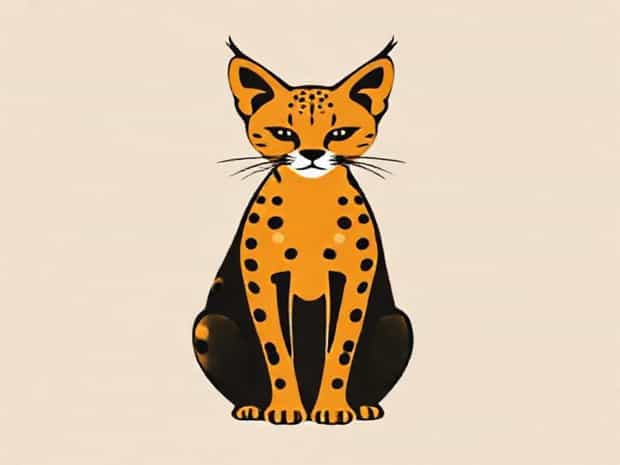
Leptailurus Serval X Felis Catus
The hybrid between a serval (Leptailurus serval) and a domestic cat (Felis catus) has gained attention among exotic pet enthusiasts and feline researchers due to its unique characteristics and appearance. Often referred to as a Savannah cat,” this hybrid combines the wild elegance and agility of the African serval with the domestic traits of a house cat. The result is a strikingly beautiful feline with tall ears, spotted coat patterns, and long legs. Understanding the origins, behavior, physical characteristics, care requirements, and legal considerations of this hybrid is crucial for anyone interested in these extraordinary cats.
Origins and Breeding
Serval Background
The serval is a medium-sized wild cat native to sub-Saharan Africa, known for its long legs, large ears, and spotted coat. Servals are highly skilled hunters, capable of leaping great distances to catch birds, rodents, and other small prey. Their agility, keen senses, and distinctive markings make them a visually striking species. The serval’s wild nature, however, means that breeding them with domestic cats requires careful planning and ethical considerations.
Domestic Cat Contribution
The domestic cat (Felis catus) brings social behavior, adaptability, and compatibility with human households to the hybrid. By crossing a domestic cat with a serval, breeders aim to produce offspring that retain some of the serval’s wild features while being more manageable as pets. The domestic cat also helps temper the wild instincts of the serval, making the hybrid more suitable for indoor life.
Hybrid Generations
Savannah cats are categorized by generation, often denoted as F1, F2, F3, and so on. F1 cats are the first generation of serval-domestic cat crosses and tend to exhibit the most wild characteristics, including larger size, higher energy levels, and a stronger hunting instinct. Later generations, like F3 and F4, are further removed from the serval parent and often display more domestic behaviors while retaining the exotic appearance of the breed.
Physical Characteristics
Appearance
Leptailurus serval x Felis catus hybrids have a distinctive appearance that sets them apart from ordinary domestic cats. Key physical traits include
- Spotted or marbled coat reminiscent of the serval
- Large, upright ears for excellent hearing
- Long, slender legs, giving an elegant and athletic build
- Long tail with dark rings or a solid black tip
- Facial markings that enhance the wild look
Size
F1 Savannah cats are typically larger than domestic cats, with males weighing between 15 to 25 pounds and standing taller than most house cats. Later generations may be smaller, but they often maintain the lean, muscular build and long legs characteristic of the serval. Their size and physical traits contribute to their exotic appeal and active lifestyle.
Behavior and Temperament
Energy Levels
Hybrids between servals and domestic cats are known for their high energy and curiosity. F1 cats, in particular, require ample space to run, jump, and explore. They enjoy interactive play, climbing, and problem-solving activities. Owners should be prepared to provide a stimulating environment to prevent boredom and destructive behavior.
Social Behavior
While Savannah cats retain some wild instincts, domestic cat influence helps them form strong bonds with humans. Many hybrids are affectionate, loyal, and enjoy spending time with their owners. Early socialization is important to ensure that these cats develop trust and comfort in household settings. Each cat’s temperament can vary depending on the generation and individual personality.
Hunting Instincts
The hybrid maintains a strong predatory instinct inherited from the serval parent. Even domestic-born kittens may display keen hunting skills, stalking toys or small prey with precision. Owners should be mindful of this behavior, especially if small pets or birds are present in the household. Providing outlets for hunting instincts, like interactive toys or puzzle feeders, is essential.
Care Requirements
Diet
Leptailurus serval x Felis catus hybrids require a high-protein diet to support their energy levels and lean musculature. Premium cat food formulated for active cats or specially prepared raw diets are often recommended. Fresh water should always be available, and dietary needs may vary based on age, size, and activity level.
Exercise and Enrichment
These hybrids are highly active and need significant mental and physical stimulation. Owners should provide climbing structures, scratching posts, and toys that encourage exercise and problem-solving. Outdoor enclosures or safe play areas can allow these cats to experience a more natural environment while keeping them secure.
Health Considerations
Savannah cats may be prone to some health issues, including dental concerns, obesity if under-exercised, or genetic conditions related to hybridization. Regular veterinary care is essential, including vaccinations, parasite control, and routine check-ups. Responsible breeders also screen parents to minimize inherited health risks.
Legal and Ethical Considerations
Ownership Regulations
Hybrid cats like Leptailurus serval x Felis catus are subject to legal restrictions in some regions. Certain states or countries may require permits, limit the generation of hybrids, or prohibit ownership altogether. Prospective owners must research local laws to ensure compliance before acquiring a hybrid cat.
Ethical Breeding
Breeding hybrids raises ethical questions regarding animal welfare and conservation. Responsible breeders prioritize the health, temperament, and socialization of both the serval and domestic cat parents. Avoiding overbreeding and ensuring that hybrids are placed in knowledgeable, caring homes is critical for the welfare of these animals.
Leptailurus serval x Felis catus hybrids, commonly known as Savannah cats, are fascinating animals that combine the wild elegance of servals with the companionship of domestic cats. They are known for their striking appearance, high energy, intelligence, and strong hunting instincts. Owning such a hybrid requires significant commitment, including appropriate diet, enrichment, and attention to health needs. Additionally, legal and ethical considerations must be carefully followed. For those prepared to meet their unique requirements, Savannah cats offer a one-of-a-kind experience and a chance to live with an extraordinary feline that bridges the gap between the wild and domestic worlds.