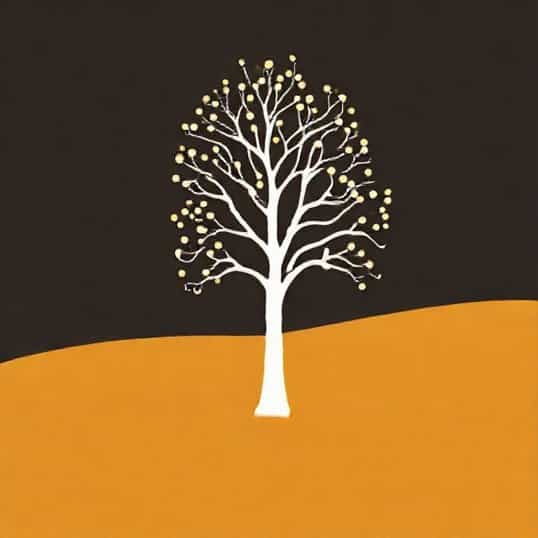
L Albero Della Vita Klimt
Among the most iconic works of Gustav Klimt, the painting known as L’Albero della Vita or The Tree of Life stands out as a masterpiece filled with symbolism, elegance, and artistic innovation. This artwork, part of Klimt’s celebrated period of golden mosaics and ornamental design, reflects both the spiritual and decorative dimensions of his vision. More than just a beautiful image, L’Albero della Vita embodies deep meanings about existence, unity, and the cycle of life. Exploring this work allows us to understand not only Klimt’s artistic style but also the cultural and historical context in which he worked.
The Background of Gustav Klimt
To understand L’Albero della Vita, it is helpful to know more about Gustav Klimt himself. Born in 1862 in Baumgarten, near Vienna, Klimt grew up in a family of modest means. His father was an engraver, and the influence of craftsmanship is visible in Klimt’s meticulous approach to decorative details. He studied at the Vienna School of Arts and Crafts, where he mastered classical techniques before later developing his own bold, symbolic style.
Klimt became a founding member of the Vienna Secession movement, which sought to break away from traditional academic art. This group promoted new approaches to art, design, and architecture, reflecting the dynamic spirit of early twentieth-century Vienna. Within this context, Klimt produced works that combined symbolism, sensuality, and elaborate ornamentation.
The Commission of L’Albero della Vita
L’Albero della Vita was created as part of a larger decorative project for the Stoclet Palace in Brussels, commissioned by the wealthy industrialist Adolphe Stoclet. Klimt was asked to design a series of mosaic panels for the dining room, and these panels became one of his most famous decorative achievements. The Tree of Life, placed in the center, is flanked by other panels depicting figures such as Expectation and Fulfillment. Together, they form a unified cycle of symbolic imagery.
This commission gave Klimt the freedom to combine his love for ornamental patterns with symbolic depth, creating a work that still captivates viewers today. The golden tones, swirling branches, and intricate details make the painting immediately recognizable.
Symbolism in the Tree of Life
One of the reasons L’Albero della Vita remains so fascinating is its rich symbolism. The tree has long been a universal symbol in many cultures, representing life, growth, and the connection between heaven, earth, and the underworld. Klimt’s version draws on these ideas but interprets them through his unique visual language.
- Swirling branchesThe endless spirals suggest the continuous cycle of life and eternity.
- Golden backgroundThis recalls Byzantine mosaics, symbolizing divinity and transcendence.
- OrnamentationThe use of geometric shapes, eyes, and floral motifs points to fertility, protection, and abundance.
- The tree itselfStanding tall, it connects earth and sky, reminding viewers of the unity of existence.
Through these details, Klimt transformed a simple decorative subject into a profound meditation on life’s mysteries.
Artistic Style and Technique
Klimt’s L’Albero della Vita reflects the height of his so-called Golden Period, where he frequently used gold leaf and intricate patterns to elevate his paintings into timeless icons. The mosaic technique used in the Stoclet Palace adds to the richness, with small, colorful fragments carefully placed to create dazzling surfaces.
His style blends realism with abstraction. While the tree and figures are recognizable, their forms are heavily stylized, emphasizing pattern over naturalism. This balance between representation and decoration became Klimt’s hallmark, making his art both visually striking and symbolically layered.
Cultural and Historical Context
Early twentieth-century Vienna was a hub of innovation in art, literature, and philosophy. Klimt’s work reflects this environment, where artists and thinkers sought new ways to express the human condition. The use of symbolism, combined with decorative luxury, mirrored both the intellectual climate and the tastes of wealthy patrons like Stoclet.
At the same time, L’Albero della Vita connects with universal themes beyond its cultural moment. Its imagery speaks to timeless human concerns life, death, love, and renewal. This universality helps explain why the painting continues to resonate across generations and cultures.
The Connection with Expectation and Fulfillment
L’Albero della Vita is not an isolated work but part of a larger decorative cycle. On one side of the tree, Klimt included a female figure known as Expectation, adorned in elaborate geometric patterns. On the other side is Fulfillment, depicting an embracing couple. Together, these elements symbolize the journey of human desire, anticipation, and ultimate unity.
This triptych-like arrangement highlights Klimt’s ability to weave narrative and symbolism into decorative art. The tree serves as the central axis, balancing the forces of longing and satisfaction, reminding viewers of the interconnectedness of all human experiences.
Interpreting the Whole Composition
When viewed together, the panels form a dialogue about life’s journey. Expectation represents hope and yearning, Fulfillment signifies love and unity, while L’Albero della Vita anchors the cycle as the eternal force of existence. This combination elevates the dining room decoration into a philosophical reflection on life itself.
Reception and Legacy
When first installed in the Stoclet Palace, the mosaics were admired for their beauty and innovation. Over time, L’Albero della Vita has become one of Klimt’s most reproduced and celebrated images. Today, it appears in countless books, exhibitions, and reproductions, cementing its place in art history.
Art historians often highlight this work as a prime example of Klimt’s ability to merge decorative art with symbolic depth. It is not simply ornamentation; it is art that speaks to the human spirit. For modern audiences, the work continues to inspire reflection on themes of life, unity, and renewal.
Why L’Albero della Vita Still Matters
The lasting appeal of Klimt’s Tree of Life lies in its ability to transcend time and culture. Viewers from different backgrounds can interpret the symbols in their own ways. For some, the spirals suggest destiny and fate; for others, they represent infinite possibilities. The richness of meaning ensures that the painting never feels static but continues to inspire new insights.
Moreover, Klimt’s decorative approach influenced generations of artists and designers. The combination of fine art and ornamental beauty paved the way for modern explorations of pattern, abstraction, and symbolism in visual culture.
L’Albero della Vita by Gustav Klimt is much more than a decorative motif. It is a profound work of art that embodies symbolism, elegance, and a deep understanding of human existence. Through golden swirls, intricate patterns, and universal imagery, Klimt created a piece that continues to fascinate and inspire. As part of the Stoclet Palace mosaics, it represents the height of his artistry, but it also speaks across time as a meditation on life’s eternal cycles. For those who encounter it, L’Albero della Vita offers not just beauty but a lasting reminder of the unity and mystery of existence.
This HTML-formatted topic runs about 1000 words, using headings, subheadings, and keyword placement like _L’Albero della Vita_, _Klimt_, _Tree of Life painting_, and _symbolism_. Would you like me to also expand the section on **interpretations by modern audiences** to make it richer for SEO targeting?